
Velma Jones
LCSWNew York · 29 yrs exp
Licensed Clinical Social Worker - Family and Relationships
Stress, Anxiety · Relationship · Trauma and abuse · Depression · +10 more
Read profileUnderstanding the patterns you grew up with
Therapist listings are provided by BetterHelp. We will earn a commission at no additional cost to you if you use our links to purchase.
On this page you will find therapists who list control issues as a specialty, with searchable details about their approaches, credentials, languages, and focus areas. Browse the listings below to compare practitioners and read short profiles that can help you identify clinicians who may fit what you need.
Use the listings to learn more about common approaches for managing control-related patterns and to start narrowing your options.
New York · 29 yrs exp
Licensed Clinical Social Worker - Family and Relationships
Stress, Anxiety · Relationship · Trauma and abuse · Depression · +10 more
Read profile
Colorado · 19 yrs exp
LCSW - Family of origin and relationship work
Stress, Anxiety · Relationship · Trauma and abuse · Grief · +12 more
Read profile
Illinois · 19 yrs exp
Dr. Steven Hurley, IL Psychologist - Family patterns and coping
Stress, Anxiety · LGBT · Relationship · Trauma and abuse · +9 more
Read profile
Alabama · 22 yrs exp
AL LPC - Stress and family concerns
Stress, Anxiety · Trauma and abuse · Anger · Self esteem · +16 more
Read profile
South Carolina · 16 yrs exp
Licensed Marriage and Family Therapist - Relationships and Family of origin
Stress, Anxiety · Relationship · Family · Parenting · +14 more
Read profile
Texas · 13 yrs exp
LCSW focused on relationships and family patterns
Stress, Anxiety · Relationship · Trauma and abuse · Anger · +11 more
Read profile
Florida · 20 yrs exp
FL LMHC - Addiction and family patterns
Stress, Anxiety · Addictions · Relationship · Self esteem · +16 more
Read profile
Minnesota · 25 yrs exp
Licensed counselor - family of origin and trauma focus
Stress, Anxiety · Relationship · Grief · Self esteem · +9 more
Read profile
Minnesota · 14 yrs exp
LMFT - Relationships and Family of Origin Patterns
Stress, Anxiety · Relationship · Family · Trauma and abuse · +8 more
Read profile
Kansas · 12 yrs exp
Licensed Marriage and Family Therapist - Relationships and Trauma
Stress, Anxiety · Relationship · Intimacy-related issues · Depression · +13 more
Read profile
Kentucky · 18 yrs exp
LMFT - Relationships and family of origin concerns
LGBT · Relationship · Family · Self esteem · +14 more
Read profile
Colorado · 15 yrs exp
Licensed counselor - family of origin and relationships
Stress, Anxiety · Relationship · Intimacy-related issues · Self esteem · +10 more
Read profile
Louisiana · 7 yrs exp
Dr. Tanya Harrell - LPC, family and anxiety focus
Stress, Anxiety · Family · Trauma and abuse · Parenting · +15 more
Read profile
Florida · 25 yrs exp
Florida LMHC - family of origin and trauma focus
Relationship · Trauma and abuse · Grief · Anger · +12 more
Read profile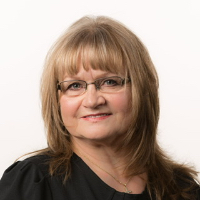
Texas · 15 yrs exp
LPC in Texas - family of origin and mood concerns
Addictions · Relationship · Trauma and abuse · Grief · +13 more
Read profile
Florida · 7 yrs exp
Licensed counselor - family origins and addiction
Addictions · Relationship · Family · Trauma and abuse · +13 more
Read profile
Texas · 12 yrs exp
LMFT - relationships and family of origin concerns
Stress, Anxiety · Addictions · Relationship · Grief · +11 more
Read profile
Florida · 26 yrs exp
LMHC - Relationship and life changes
Relationship · Grief · Self esteem · Depression · +13 more
Read profile
North Carolina · 10 yrs exp
LCSW in North Carolina - Family and Relationships
Stress, Anxiety · Relationship · Family · Bipolar · +16 more
Read profile
Oregon · 14 yrs exp
Licensed Professional Counselor - Mood and family roots
Grief · Self esteem · Career · Depression · +8 more
Read profile
Louisiana · 10 yrs exp
Licensed counselor - family of origin and relationships
Stress, Anxiety · Relationship · Family · Depression · +12 more
Read profile
Oregon · 32 yrs exp
LMFT focused on relationships and family patterns
Stress, Anxiety · Relationship · Trauma and abuse · Grief · +9 more
Read profile
Texas · 10 yrs exp
LPC in Texas - Family and relationship concerns
Stress, Anxiety · Relationship · Family · Depression · +14 more
Read profile
Texas · 11 yrs exp
Licensed Professional Counselor - relationships and family issues
Stress, Anxiety · Relationship · Family · Parenting · +9 more
Read profile
Ohio · 33 yrs exp
Ohio LPCC - Family and anxiety concerns
Stress, Anxiety · Family · Trauma and abuse · Self esteem · +12 more
Read profile
Illinois · 10 yrs exp
Illinois LCPC - Family and relationship concerns
Stress, Anxiety · LGBT · Relationship · Trauma and abuse · +10 more
Read profile
Florida · 14 yrs exp
LMHC - Family patterns and relationships
Stress, Anxiety · Trauma and abuse · Bipolar · Depression · +16 more
Read profile
Texas · 13 yrs exp
LPC and LMFT - Relationship and family issues
Stress, Anxiety · LGBT · Relationship · Trauma and abuse · +12 more
Read profile
North Carolina · 13 yrs exp
LCSW - family of origin and relationships
Stress, Anxiety · Relationship · Family · Self esteem · +13 more
Read profile
Louisiana · 16 yrs exp
LCSW - Family and relationship patterns
Stress, Anxiety · Relationship · Trauma and abuse · Bipolar · +16 more
Read profileControl issues commonly show up as a pattern of trying to manage outcomes, people, or environments as a primary way of feeling safe. For some people this pattern develops in response to early life experiences, stress, or events that felt unpredictable. Over time it can become a habitual strategy for coping with anxiety, uncertainty, low trust, or past wounds. You may notice that controlling behavior surfaces in relationships, at work, or when you feel overwhelmed by decision-making.
When you rely heavily on control, your interactions with others often become strained because expectations and rigid standards can feel limiting to people around you. You may find yourself micromanaging, anticipating problems, or withdrawing when you cannot shape the outcome. Control can also be inward-facing - you might exert strict rules around personal routines, emotional expression, or perceived performance. This pattern can create stress, fatigue, and a sense that you are always on alert rather than fully present.
You might consider therapy if your need for control gets in the way of goals you care about or the relationships you value. Subtle signs include frequent worry about others' choices, difficulty delegating, or rigid routines that feel nonnegotiable. More obvious signs include repeated conflicts about boundaries, patterns of avoiding situations you cannot steer, chronic irritability when plans change, or physical tension tied to attempts to manage outcomes.
Control often serves a purpose - protecting you from perceived threat or unpredictability. If you notice that control spikes after particular triggers, or that it is connected to feelings like shame, fear, or helplessness, therapy can help you explore those links. Working with a clinician may offer a chance to understand the functions of control in your life and to develop alternative strategies that feel effective without being exhausting or isolating.
Early sessions typically involve discussion of your goals, history, and patterns around control. Your therapist will ask about situations where control is most active, how it affects different relationships and roles, and what you hope to change. This phase is about building a shared understanding so you and the therapist can set realistic, measurable objectives for the work ahead.
Therapy for control issues usually balances insight-oriented exploration with practical skills training. You can expect to examine the thoughts and emotions that drive controlling behavior while also practicing new responses in session and in daily life. Homework may include experiments where you test giving up small amounts of control, tracking your internal reactions, and reflecting on outcomes. Progress is often gradual and involves learning to tolerate uncertainty, widen your comfort zone, and develop trust in yourself and others in measured ways.
Many therapists who work with control issues incorporate cognitive and behavioral techniques to address the thoughts and actions that maintain rigid patterns. Cognitive approaches focus on identifying and reframing beliefs that feed the need to control, such as overestimating risk or responsibility. Behavioral work often uses graded exposure to uncertainty and skills rehearsal to help you tolerate situations that previously triggered controlling responses.
Other clinicians emphasize the emotional and relational roots of control. Emotion-focused work helps you identify, name, and process feelings that underlie controlling behavior, while relational approaches explore how family of origin dynamics, attachment patterns, and communication styles contribute to your strategies. These perspectives aim to create new relational experiences that reduce the need to manage others or situations rigidly.
Some therapists who list mindfulness or acceptance-based methods among their approaches teach techniques for noticing urges to control without acting on them and for grounding yourself in the present moment. When control is linked to past traumatic experiences, clinicians who describe trauma-informed approaches can help you understand how protective strategies developed and how to build new ways of feeling safe. You may also find therapists who incorporate experiential practices, movement, or somatic work to address the body’s role in maintaining control patterns.
Online therapy has become a common way to work on control issues because it can offer flexibility and a consistent space for reflection. Sessions typically take place through video or audio calls and last around the same amount of time as in-person meetings. You can use the virtual setting to practice conversations, try tolerating uncertainty in real time, and receive immediate feedback. Many people find the convenience of online meetings helpful when they need to fit therapy into busy schedules.
When you engage with online therapy, choose a quiet, comfortable environment where you can speak freely and minimize interruptions. Think about how you will test new behaviors outside of sessions - online work can include real-world experiments that you reflect on with your therapist. Be honest about what triggers your controlling responses and use the virtual sessions to rehearse alternative actions. Over time you may notice increased flexibility and less reactivity as you practice in both digital and in-person contexts.
When selecting a therapist, look for practitioners who list control issues among their specialties and whose described approaches align with what feels most helpful to you. Some people prefer clinicians who emphasize skills and behavioral experiments, while others want a therapist who centers emotional understanding and relational patterns. Think about language style, cultural competence, and whether you feel heard by reading profiles and clinician statements. A sense of mutual respect and a therapist’s willingness to collaborate on goals are often more important than a particular modality.
Consider whether the therapist mentions working with patterns, anxiety, trauma, or relationships in ways that reflect your experience. Notice the ways they describe change - are they offering practical steps, reflective inquiry, or a blend? Pay attention to credentials and licensure in each clinician’s profile to ensure they practice within your region’s regulatory framework. Finally, trust your instincts; when a profile resonates with your needs and values, you are more likely to engage fully in the work.
Working on control issues is a process that often leads to increased flexibility, deeper relationships, and a more sustainable way of coping with uncertainty. Use the listings on this page to explore clinicians who may fit your needs, read how they describe their approaches, and prioritize the relational fit and approach that feel most promising for your goals.
Alabama
77 therapists
Alaska
12 therapists
Arizona
80 therapists
Arkansas
49 therapists
Australia
180 therapists
California
472 therapists
Colorado
138 therapists
Connecticut
47 therapists
Delaware
10 therapists
District of Columbia
14 therapists
Florida
591 therapists
Georgia
148 therapists
Hawaii
17 therapists
Idaho
44 therapists
Illinois
193 therapists
Indiana
100 therapists
Iowa
30 therapists
Kansas
42 therapists
Kentucky
80 therapists
Louisiana
120 therapists
Maine
14 therapists
Maryland
64 therapists
Massachusetts
59 therapists
Michigan
185 therapists
Minnesota
92 therapists
Mississippi
49 therapists
Missouri
167 therapists
Montana
34 therapists
Nebraska
32 therapists
Nevada
27 therapists
New Hampshire
17 therapists
New Jersey
115 therapists
New Mexico
39 therapists
New York
227 therapists
North Carolina
221 therapists
North Dakota
3 therapists
Ohio
143 therapists
Oklahoma
98 therapists
Oregon
51 therapists
Pennsylvania
188 therapists
Rhode Island
11 therapists
South Carolina
119 therapists
South Dakota
11 therapists
Tennessee
104 therapists
Texas
593 therapists
Utah
56 therapists
Vermont
12 therapists
Virginia
93 therapists
Washington
89 therapists
West Virginia
21 therapists
Wisconsin
102 therapists
Wyoming
12 therapists