
Kathi-Ann Busha
LCMHCUtah · 6 yrs exp
LCMHC in Utah - Family of origin and trauma issues
Stress, Anxiety · Trauma and abuse · Self esteem · Depression · +8 more
Read profileUnderstanding the patterns you grew up with
Therapist listings are provided by BetterHelp. We will earn a commission at no additional cost to you if you use our links to purchase.
Welcome to our directory of online therapists serving Utah. All therapists listed here are licensed and listed with professional credentials. Explore profiles to compare approaches, languages, and credentials as you begin your search.
Utah · 6 yrs exp
LCMHC in Utah - Family of origin and trauma issues
Stress, Anxiety · Trauma and abuse · Self esteem · Depression · +8 more
Read profile
Utah · 30 yrs exp
Licensed Clinical Social Worker - Family of origin and mood concerns
Stress, Anxiety · Trauma and abuse · Grief · Anger · +1 more
Read profile
Utah · 11 yrs exp
Licensed Clinical Social Worker - Family and trauma related issues
Stress, Anxiety · Addictions · Relationship · Trauma and abuse · +16 more
Read profile
Utah · 23 yrs exp
Licensed counselor - family origins and coping
Stress, Anxiety · Addictions · Family · Trauma and abuse · +12 more
Read profile
Utah · 7 yrs exp
Licensed Clinical Mental Health Counselor - family patterns, addictions
Stress, Anxiety · Addictions · Relationship · Trauma and abuse · +10 more
Read profile
Utah · 25 yrs exp
LCSW - Stress and relationship concerns
Stress, Anxiety · Relationship · Self esteem · Depression · +1 more
Read profile
Utah · 6 yrs exp
LCSW in Utah - stress and trauma focus
Stress, Anxiety · Trauma and abuse · Grief · Depression · +1 more
Read profile
Utah · 25 yrs exp
LMFT in Utah - family and addiction concerns
Stress, Anxiety · Addictions · Family · Parenting · +1 more
Read profile
Utah · 32 yrs exp
Dr. Kimberly Walsh - Psychologist focused on family and mood issues
Stress, Anxiety · Self esteem · Bipolar · Depression · +9 more
Read profile
Utah · 6 yrs exp
Licensed clinical social worker - family of origin and trauma
Stress, Anxiety · Addictions · Relationship · Trauma and abuse · +12 more
Read profile
Utah · 10 yrs exp
LCMHC counselor for family and life patterns
Stress, Anxiety · Addictions · Trauma and abuse · Grief · +14 more
Read profile
Utah · 8 yrs exp
Licensed counselor - family patterns and trauma
Stress, Anxiety · LGBT · Trauma and abuse · Intimacy-related issues · +14 more
Read profile
Utah · 9 yrs exp
LCSW in Utah - stress and addiction support
Stress, Anxiety · Addictions · Trauma and abuse · Self esteem · +9 more
Read profile
Utah · 11 yrs exp
Licensed Clinical Social Worker - Family and trauma concerns
Stress, Anxiety · Relationship · Trauma and abuse · Self esteem · +13 more
Read profile
Utah · 20 yrs exp
LCSW - Relationships and life transitions
Stress, Anxiety · Relationship · Grief · Depression · +12 more
Read profile
Utah · 25 yrs exp
Utah LCSW - family of origin and anxiety
Stress, Anxiety · Family · Trauma and abuse · Anger · +15 more
Read profile
Utah · 20 yrs exp
LCSW focused on relationships and family issues
Relationship · Family · Trauma and abuse · Parenting · +13 more
Read profile
Utah · 17 yrs exp
LCMHC focused on family patterns and regulation
Stress, Anxiety · Trauma and abuse · Anger · Depression · +13 more
Read profile
Utah · 34 yrs exp
LMFT in Utah - relationships and family of origin concerns
Relationship · Trauma and abuse · Self esteem · Bipolar · +13 more
Read profile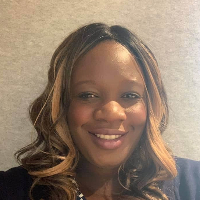
Utah · 20 yrs exp
LCSW - family of origin and anxiety work
Stress, Anxiety · Addictions · Trauma and abuse · Self esteem · +12 more
Read profile
Utah · 23 yrs exp
LCSW - Family and relationship concerns
Stress, Anxiety · Trauma and abuse · Self esteem · Depression · +12 more
Read profile
Utah · 22 yrs exp
Licensed counselor - relationships and addictions
Addictions · Relationship · Trauma and abuse · Stress, Anxiety · +11 more
Read profile
Utah · 8 yrs exp
LCMHC counselor - relationships and anxiety
Stress, Anxiety · Relationship · Trauma and abuse · Self esteem · +14 more
Read profile
Utah · 11 yrs exp
Licensed counselor for family of origin work
Stress, Anxiety · LGBT · Relationship · Trauma and abuse · +9 more
Read profile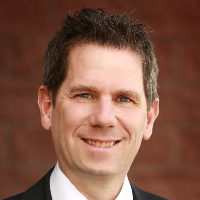
Utah · 25 yrs exp
LCMHC counselor - Family and relationship concerns
Stress, Anxiety · Addictions · Relationship · Family · +10 more
Read profile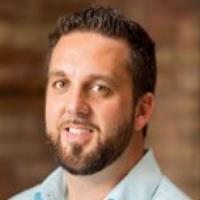
Utah · 11 yrs exp
Licensed counselor - family patterns and mood
Family · Trauma and abuse · Anger · Self esteem · +10 more
Read profile
Utah · 25 yrs exp
LMFT - Relationships and Family
Relationship · Family · Parenting · Anger · +14 more
Read profile
Utah · 5 yrs exp
LCSW - Family of origin and anxiety concerns
Stress, Anxiety · Trauma and abuse · Parenting · Self esteem · +7 more
Read profile
Utah · 18 yrs exp
UT Psychologist - Family of origin and relationships
Stress, Anxiety · Relationship · Trauma and abuse · Bipolar · +13 more
Read profile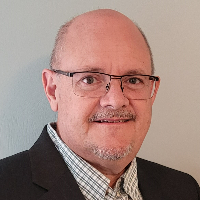
Utah · 25 yrs exp
Utah LCSW - family of origin and relationships
Stress, Anxiety · Relationship · Trauma and abuse · Grief · +14 more
Read profileOnline therapy has become a common way for people in Utah to access mental health support, especially when geography or schedule makes in-person care difficult. Many licensed clinicians in the state offer video or phone sessions, and a broad range of specialties is represented among those who provide remote care. While rules about licensure and practice do vary by state, therapists who work with Utah residents typically hold a Utah license that aligns with state regulations. That means when you search, profiles will generally reflect the credential that allows a clinician to practice in Utah, such as licenses for social work, professional counseling, marriage and family therapy, or psychology. Online formats can span live video sessions, phone calls, and messaging-based work, and each therapist may describe the formats they use in their profile.
Because online services reduce the barrier of travel, people across urban and rural areas of Utah can connect with clinicians whose focus areas and approaches match their needs. You will find therapists who list a variety of clinical approaches among their work, including cognitive approaches, psychodynamic perspectives, and trauma-focused modalities. Profiles often include information about languages spoken, populations served, and areas of emphasis so you can identify clinicians who align with your priorities before you reach out to begin a conversation about care.
Online therapy can bring several practical advantages for someone living in Utah. If you live in a mountain community or a small town, the ability to meet with a therapist remotely can save hours of travel time and make it easier to maintain a steady appointment rhythm. You can also expand your options beyond what is locally available, increasing the chance of finding a therapist whose clinical focus, cultural perspective, or language competencies match your needs. For many people, meeting from a familiar location reduces anxiety about entering a clinical office and makes it simpler to fit sessions around work, school, or family responsibilities.
Another benefit is continuity. If you travel for work or school, having online sessions can help you keep momentum in therapy when you are away from your usual area. Online work also allows for greater flexibility in scheduling and the possibility of using different communication modes if video is not feasible. As you explore profiles, consider which practical benefits matter most to you - whether that is evening hours, clinicians who list experience with specific life stages, or providers who offer services in the language you prefer.
Therapists who work online address many of the same concerns as in-person clinicians. You will find practitioners who list anxiety and mood-related challenges, relationship and family issues, grief and loss, stress related to work or school, life transitions, and parenting concerns among the topics they focus on. Many profiles also mention trauma-related work, substance-related challenges, and support for coping with long-term health conditions. If you are seeking help for a particular issue, look for therapists who highlight that area of emphasis in their profile and who describe approaches that resonate with your expectations.
Different therapists describe their work in different ways. Some note that they use cognitive-behavioral strategies, while others describe integrative or relational approaches. If you are interested in trauma-focused care you may see therapists who list EMDR among their approaches or who describe trauma-focused cognitive work. Remember that a profile indicates what a clinician lists about their practice; it does not substitute for asking questions during an initial conversation about how they approach the issues that matter to you and what a typical course of work might look like.
Verifying licensure is an important step in choosing a therapist. You can usually confirm a clinician's license status through the Utah state licensing entity that handles professional boards and registrations. Searching the state license lookup tool by clinician name or license number will tell you the type of license held, whether it is current, and whether any formal actions or restrictions are recorded. If a profile lists a license number, you can use that as a starting point in the state search tool, or you can contact the licensing office directly for guidance on interpreting the record.
Know the common license types you might encounter so you can match credentials with the services you want. Licensed clinical social workers, professional counselors, marriage and family therapists, and licensed psychologists are among the typical credentials listed in clinician profiles. Each license has a scope defined by state rules, and the licensing record will show whether the license is active and if any disciplinary information is present. If you have questions about the meaning of a record you see, the licensing office can often explain the public information and suggest next steps for your peace of mind.
Starting with an online therapist involves some practical steps to make the first sessions productive. Begin by clarifying what you want from therapy and what constraints you have - such as times of day that work best or whether you need services in a particular language. Review clinician profiles for stated specialties, approaches, and credentials to narrow your list to people who seem to match your needs. When you reach out to someone, you can ask about the typical format of their sessions, how they handle paperwork and consent for telehealth, and what to expect in an initial meeting.
Prepare your technology by choosing a device with a camera and microphone and testing your internet connection ahead of time. Find a private space for sessions where you will not be interrupted and where you feel comfortable speaking openly. Many therapists will ask you to complete intake forms and to sign consent documents that outline logistics, fees, and privacy policies. You should also discuss payment methods and whether the clinician's services are compatible with your insurance or out-of-pocket budget. Finally, clarify how to handle emergencies - because telehealth spans locations, a clinician will usually ask for your local address and emergency contacts so they can respond appropriately if a crisis arises.
Choosing a therapist is a personal decision that balances fit, expertise, and practical considerations. Look for clinicians who list a clear focus on the issues you want help with and who describe approaches that make sense to you. Pay attention to languages spoken, cultural perspectives, and whether a therapist mentions experience with particular populations or life stages that align with your situation. Credentials matter, so confirm license type and standing through the state licensing lookup as part of your review.
Think about logistics - session length, typical fees, accepted payment methods, and whether the clinician notes experience with the online format you prefer. Consider scheduling an initial conversation to get a sense of communication style and whether you feel heard and understood. It is reasonable to expect a therapist to describe how they measure progress and how they handle cancellations or changes in plan. Over time you will get a clearer sense of whether a therapist's approach and rapport support the work you want to do, and it is okay to continue looking until you find a match that feels right for you.
Making an informed choice combines practical checks and personal impressions. Use the profile details you find here as a starting point, verify professional credentials through the state record, and trust your sense of fit when you speak with a clinician. Taking those steps will help you connect with an online therapist in Utah who can work with you toward the goals you set for therapy.
Addictions
2816 therapists
ADHD
2537 therapists
Anger
3270 therapists
Control Issues
3184 therapists
Depression
4730 therapists
Grief
3904 therapists
Guilt and Shame
4477 therapists
Intimacy Issues
2756 therapists
Isolation / Loneliness
4138 therapists
Midlife Crisis
3234 therapists
Mood Disorders
3552 therapists
Panic Disorder and Panic Attacks
3064 therapists
Post-Traumatic Stress
3873 therapists
Self Esteem
4605 therapists
Social Anxiety and Phobia
3770 therapists
Stress & Anxiety
5213 therapists
Trauma and Abuse
4383 therapists
Abandonment
3334 therapists
Adoption
1809 therapists
Attachment Issues
3451 therapists
Blended Family Issues
3094 therapists
Body Image
2296 therapists
Career
3016 therapists
Caregiver Issues and Stress
3513 therapists
Codependency
3519 therapists
Commitment Issues
2871 therapists
Communication Problems
4652 therapists
Compassion Fatigue
2798 therapists
Coping with Life Changes
4418 therapists
Divorce
3680 therapists
Family
4032 therapists
Fatherhood Issues
1927 therapists
Forgiveness
4057 therapists
Infidelity
2645 therapists
Jealousy
2437 therapists
Life Purpose
4506 therapists
Money and Financial Issues
2013 therapists
Parenting
3370 therapists
Relationship
4573 therapists
Self-Love
4257 therapists
Workplace Issues
3665 therapists