
Kwesi Franco
LPCGeorgia · 3 yrs exp
Licensed Professional Counselor - Family patterns and relationships
Stress, Anxiety · Relationship · Family · Intimacy-related issues · +6 more
Read profileUnderstanding the patterns you grew up with
Therapist listings are provided by BetterHelp. We will earn a commission at no additional cost to you if you use our links to purchase.
Welcome to RootedPatterns.org's directory for online therapists serving Georgia. All therapists listed here are licensed in Georgia and describe a variety of approaches and specialties. Explore profiles to compare credentials, approaches and languages to find a match that fits your needs.
Georgia · 3 yrs exp
Licensed Professional Counselor - Family patterns and relationships
Stress, Anxiety · Relationship · Family · Intimacy-related issues · +6 more
Read profile
Georgia · 7 yrs exp
Licensed Marriage and Family Therapist - Relationships and Family of Origin
Stress, Anxiety · Relationship · Intimacy-related issues · Anger · +11 more
Read profile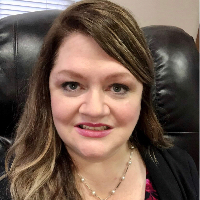
Georgia · 27 yrs exp
LPC in Georgia - family of origin and anxiety
Stress, Anxiety · Trauma and abuse · Bipolar · Depression · +16 more
Read profile
Georgia · 10 yrs exp
LPC counselor - family and attachment focus
Stress, Anxiety · Family · Trauma and abuse · Depression · +11 more
Read profile
Georgia · 7 yrs exp
Dr. Kerene Brown - LICSW, LCSW, CSW, family patterns and coping
Stress, Anxiety · Trauma and abuse · Self esteem · Depression · +10 more
Read profile
Georgia · 3 yrs exp
Licensed Clinical Social Worker - Family issues, anxiety
Stress, Anxiety · Relationship · Family · Trauma and abuse · +7 more
Read profile
Georgia · 9 yrs exp
Dr. Lynda Cokuslu, LPC - Anxiety and Family Patterns
Stress, Anxiety · Addictions · Trauma and abuse · Grief · +15 more
Read profile
Georgia · 25 yrs exp
Licensed Professional Counselor - Family patterns and coping
Stress, Anxiety · Trauma and abuse · Grief · Self esteem · +13 more
Read profile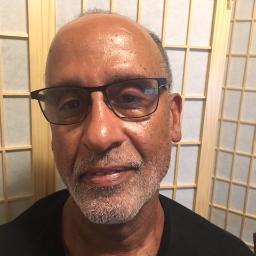
Georgia · 35 yrs exp
Licensed Clinical Social Worker - Family and relationships
Stress, Anxiety · Relationship · Family · Parenting · +12 more
Read profile
Georgia · 3 yrs exp
Licensed Professional Counselor - Family origin and coping
Stress, Anxiety · Addictions · Relationship · Self esteem · +8 more
Read profile
Georgia · 20 yrs exp
Licensed Marriage and Family Therapist - Relationships and Anxiety
Stress, Anxiety · Relationship · Career · Depression · +13 more
Read profile
Georgia · 18 yrs exp
Licensed Professional Counselor - Family and relationships
Stress, Anxiety · Relationship · Family · Trauma and abuse · +13 more
Read profile
Georgia · 8 yrs exp
Licensed Professional Counselor - Relationships and Family Patterns
LGBT · Relationship · Trauma and abuse · Self esteem · +14 more
Read profile
Georgia · 20 yrs exp
LPC in Georgia - Family of origin and mood concerns
Stress, Anxiety · Addictions · Family · Trauma and abuse · +12 more
Read profile
Georgia · 11 yrs exp
LPC in Georgia - Family of origin and identity work
Stress, Anxiety · Addictions · LGBT · Family · +10 more
Read profile
Georgia · 9 yrs exp
Licensed Professional Counselor - Relationships and Identity
LGBT · Relationship · Trauma and abuse · Grief · +1 more
Read profile
Georgia · 5 yrs exp
Licensed Clinical Social Worker - Stress and Relationships
Stress, Anxiety · Addictions · Relationship · Grief · +1 more
Read profile
Georgia · 13 yrs exp
Licensed Professional Counselor - Relationships and Family
Stress, Anxiety · Relationship · Family · Self esteem · +1 more
Read profile
Georgia · 15 yrs exp
LCSW in Georgia - family of origin and anxiety
Stress, Anxiety · Trauma and abuse · Grief · Self esteem · +16 more
Read profile
Georgia · 15 yrs exp
Licensed Clinical Social Worker - mood and addiction concerns
Addictions · Relationship · Bipolar · Depression · +7 more
Read profile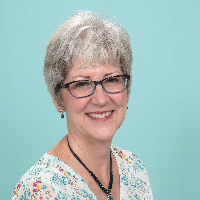
Georgia · 9 yrs exp
Licensed Professional Counselor - family and life patterns
Stress, Anxiety · Grief · Self esteem · Depression · +12 more
Read profile
Georgia · 8 yrs exp
LMFT - Relationships and Family Concerns
Stress, Anxiety · Relationship · Family · Parenting · +11 more
Read profile
Georgia · 10 yrs exp
LCSW in Georgia - stress and relationships
Stress, Anxiety · Relationship · Grief · Depression · +10 more
Read profile
Georgia · 11 yrs exp
Licensed Professional Counselor - Relationships and Family Issues
Stress, Anxiety · Relationship · Trauma and abuse · Anger · +10 more
Read profile
Georgia · 10 yrs exp
LPC and LCMHC - anxiety and relationships
Stress, Anxiety · Relationship · Grief · Depression · +10 more
Read profile
Georgia · 20 yrs exp
LPC in Georgia - family of origin and relationship concerns
Stress, Anxiety · Addictions · Family · Anger · +13 more
Read profile
Georgia · 7 yrs exp
LCSW - Family of origin and relationship concerns
Stress, Anxiety · Family · Parenting · Self esteem · +10 more
Read profile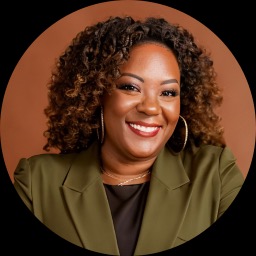
Georgia · 18 yrs exp
Licensed clinical social worker - Family and anxiety focus
Stress, Anxiety · Self esteem · Depression · Coping with life changes · +12 more
Read profile
Georgia · 8 yrs exp
Licensed counselor - Relationships and sexual health
Family · Intimacy-related issues · Parenting · Self esteem · +11 more
Read profile
Georgia · 18 yrs exp
Licensed Professional Counselor - Addiction and Anxiety
Stress, Anxiety · Addictions · Trauma and abuse · Anger · +13 more
Read profileOnline therapy in Georgia refers to professional mental health care delivered through video calls, phone sessions, or message-based visits rather than meeting in person. If you live in a city, suburb, or a rural county, you can search for clinicians who offer remote sessions and who list approaches that align with your needs. Because each clinician follows state rules and professional standards, most profiles include information about credentials, areas of focus, therapeutic approaches and the languages they work in so you can get a sense of fit before reaching out.
Therapists who provide services to Georgia residents do so under state licensure and professional guidelines. That means that while the format may change from an office to a screen or a call, practice standards around ethics, record keeping and professional conduct still apply. You should expect to find clear information about a clinician's credential type and the general structure of sessions on their profile. If you prefer a particular format - for example video rather than phone - you can prioritize clinicians who indicate the formats they offer.
You may find online therapy helpful if you live far from mental health centers or prefer not to commute. Remote sessions reduce travel time and can make it easier to fit care into a busy week. If transportation, childcare, or mobility affects your ability to attend in-person appointments, online options can offer a practical way to maintain continuity of care. Many people also appreciate the ability to choose clinicians who work with their specific needs even if those clinicians are located in another part of the state.
Online therapy can support a range of session styles. Some clinicians structure sessions to focus on skill-building and problem solving, while others emphasize reflective conversation or relational work. You can seek clinicians who list evidence-informed approaches among their offerings, such as cognitive-behavioral methods or psychodynamic perspectives, and those who list modalities like EMDR among their approaches when trauma-focused care is sought. Because sessions happen from a place you choose, you can create a comfortable environment that helps you engage in the work.
Many people turn to online therapy to work through stress related to work, caregiving, life transitions, grief and mood concerns. Therapists often describe experience helping clients develop practical tools for managing anxiety, navigating relationship changes and coping with loss. If you want structured strategies, look for clinicians who list cognitive-behavioral therapy or other skills-based approaches among their offerings. If you are exploring meaning, values or identity, clinicians who emphasize exploratory or insight-oriented approaches may be a closer match.
Online clinicians commonly support relationship issues including communication challenges, partnership strain and family dynamics. Couples and family-oriented work can sometimes be offered remotely, with clinicians describing specific approaches they use in relational sessions. For people processing traumatic experiences, it can be useful to seek therapists who list trauma-focused methods among their approaches, such as EMDR among their approaches, while keeping in mind that listing an approach does not speak to a clinician's specific training history. Many clinicians also support perinatal mental health, adolescent concerns, and identity-related stressors, and you can search profiles for clinicians who mention these focus areas.
On clinician profiles you will commonly see credential abbreviations such as LPC, LCSW, LMFT, PhD or PsyD. These letters indicate the type of professional license or degree a clinician holds and the general pathway they took to practice. Profiles should also list whether a therapist is licensed to practice in Georgia. When you review a profile, pay attention to the listed credential and any description of the clinician's typical focus populations and approaches to care to evaluate whether the offering aligns with your needs.
To confirm that a therapist is licensed in Georgia, begin by noting the clinician's full name, credential and license number if provided on their profile. Use the state licensing board's public license lookup tool to verify that the license is active and that there are no public disciplinary actions. The lookup will also show the license type and the date it was issued. If you have questions about what you find, you can contact the licensing board directly for clarification. Verifying licensure and reading any public board information can give you confidence about the professional standing of a clinician before you reach out.
Start by clarifying what you want from therapy - for example symptom relief, support through a life change, or help with relationships. Use those priorities to filter profiles by areas of focus, approaches and languages. As you compare profiles, look for clinicians who describe work with issues similar to yours and who list approaches you prefer. Prepare a brief set of questions to ask when you contact a clinician, such as how they structure sessions, whether they work with your age group or situation, what they charge and how they handle insurance and billing.
When you contact a clinician, you can ask about the typical length and frequency of sessions, session formats they offer, and what a typical first session covers. It is appropriate to ask about fees, sliding scale options, and whether they work with your insurance plan if that matters to you. Pay attention to how accessible the clinician's profile and communications feel - clear responses to your questions about approach, structure and logistics can be helpful in assessing fit. Consider cultural competence and language match; if cultural background, faith, or identity is important in your care, look for clinicians who explicitly mention experience or focus in those areas. Finally, plan a quiet, comfortable setting for your sessions and test your technology in advance so the first session is focused on the work rather than technical issues.
Choosing a clinician is a practical and personal process. After a few contacts or an initial session you will likely have a clearer sense of whether the therapist's style and approach feel helpful to you. It is normal to try more than one clinician before you find the right match. Trust your judgment about how you feel during and after sessions and whether the approach meets what you came for.
Therapy is a collaborative process that unfolds over time. Set realistic expectations about what change may look like and communicate openly with your clinician about goals and progress. If you rely on insurance, review billing practices and prior authorization requirements in advance. Keep notes about what you want to address between sessions and bring those priorities to your conversations so your time together is focused on meaningful work.
If you are ready to begin, use the directory above to explore licensed online therapists serving Georgia, read clinician profiles to compare credentials and approaches, and reach out with the questions that matter to you. Thoughtful preparation and clear communication can help you connect with a clinician who supports the work you want to do.
Addictions
2816 therapists
ADHD
2537 therapists
Anger
3270 therapists
Control Issues
3184 therapists
Depression
4730 therapists
Grief
3904 therapists
Guilt and Shame
4477 therapists
Intimacy Issues
2756 therapists
Isolation / Loneliness
4138 therapists
Midlife Crisis
3234 therapists
Mood Disorders
3552 therapists
Panic Disorder and Panic Attacks
3064 therapists
Post-Traumatic Stress
3873 therapists
Self Esteem
4605 therapists
Social Anxiety and Phobia
3770 therapists
Stress & Anxiety
5213 therapists
Trauma and Abuse
4383 therapists
Abandonment
3334 therapists
Adoption
1809 therapists
Attachment Issues
3451 therapists
Blended Family Issues
3094 therapists
Body Image
2296 therapists
Career
3016 therapists
Caregiver Issues and Stress
3513 therapists
Codependency
3519 therapists
Commitment Issues
2871 therapists
Communication Problems
4652 therapists
Compassion Fatigue
2798 therapists
Coping with Life Changes
4418 therapists
Divorce
3680 therapists
Family
4032 therapists
Fatherhood Issues
1927 therapists
Forgiveness
4057 therapists
Infidelity
2645 therapists
Jealousy
2437 therapists
Life Purpose
4506 therapists
Money and Financial Issues
2013 therapists
Parenting
3370 therapists
Relationship
4573 therapists
Self-Love
4257 therapists
Workplace Issues
3665 therapists