
Maya Neal
LMFTSouth Carolina · 16 yrs exp
Licensed Marriage and Family Therapist - Relationships and Family of origin
Stress, Anxiety · Relationship · Family · Parenting · +14 more
Read profileUnderstanding the patterns you grew up with
Therapist listings are provided by BetterHelp. We will earn a commission at no additional cost to you if you use our links to purchase.
Welcome to the RootedPatterns.org directory for licensed online therapists serving South Carolina. All therapists listed here hold active South Carolina licenses - explore profiles to review specialties, approaches and languages that match your needs.
South Carolina · 16 yrs exp
Licensed Marriage and Family Therapist - Relationships and Family of origin
Stress, Anxiety · Relationship · Family · Parenting · +14 more
Read profile
South Carolina · 36 yrs exp
LISW-CP in South Carolina - Family and mood concerns
Stress, Anxiety · Addictions · Family · Trauma and abuse · +3 more
Read profile
South Carolina · 20 yrs exp
Licensed Social Worker - Family and Eating Concerns
Stress, Anxiety · Relationship · Eating · Self esteem · +10 more
Read profile
South Carolina · 8 yrs exp
Licensed Professional Counselor - Family of origin and trauma focus
Stress, Anxiety · Trauma and abuse · Self esteem · Depression · +16 more
Read profile
South Carolina · 20 yrs exp
Licensed Professional Counselor - Family of origin, anxiety
Stress, Anxiety · Relationship · Trauma and abuse · Anger · +11 more
Read profile
South Carolina · 9 yrs exp
LPC in South Carolina - family and stress concerns
Stress, Anxiety · Family · Eating · Self esteem · +9 more
Read profile
South Carolina · 21 yrs exp
Licensed counselor - family patterns and mood
Stress, Anxiety · Trauma and abuse · Self esteem · Depression · +16 more
Read profile
South Carolina · 13 yrs exp
LMFT - Relationships and family of origin issues
Stress, Anxiety · Relationship · Intimacy-related issues · Self esteem · +9 more
Read profile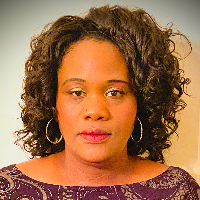
South Carolina · 9 yrs exp
Licensed counselor - family and relationship concerns
Stress, Anxiety · Trauma and abuse · Grief · Depression · +16 more
Read profile
South Carolina · 16 yrs exp
LMFT focused on family patterns and coping
Stress, Anxiety · Addictions · LGBT · Parenting · +12 more
Read profile
South Carolina · 11 yrs exp
Licensed Professional Counselor - Family origin and anxiety
Stress, Anxiety · Family · Self esteem · Depression · +16 more
Read profile
South Carolina · 7 yrs exp
Licensed Professional Counselor - Family and mood concerns
Stress, Anxiety · Self esteem · Depression · Coping with life changes · +9 more
Read profile
South Carolina · 8 yrs exp
Licensed counselor - anxiety and addiction
Stress, Anxiety · Addictions · Relationship · Depression · +11 more
Read profile
South Carolina · 28 yrs exp
LPC in South Carolina - Family of origin focus
Stress, Anxiety · Addictions · Relationship · Trauma and abuse · +8 more
Read profile
South Carolina · 10 yrs exp
Licensed Professional Counselor - Relationships and Addiction
Stress, Anxiety · Addictions · Relationship · Depression · +10 more
Read profile
South Carolina · 20 yrs exp
LCSW and LISW - Family of origin and relationships
Stress, Anxiety · LGBT · Relationship · Family · +6 more
Read profile
South Carolina · 6 yrs exp
Licensed Professional Counselor - Relationships and Family
Stress, Anxiety · Relationship · Family · Intimacy-related issues · +6 more
Read profile
South Carolina · 20 yrs exp
Licensed Independent Social Worker - trauma and relationships
Stress, Anxiety · Addictions · Relationship · Trauma and abuse · +15 more
Read profile
South Carolina · 8 yrs exp
Licensed Professional Counselor - Stress and Relationships
Stress, Anxiety · Relationship · Self esteem · Depression · +10 more
Read profile
South Carolina · 10 yrs exp
Licensed Marriage and Family Therapist - Family and Relationships
Stress, Anxiety · Relationship · Family · Trauma and abuse · +2 more
Read profile
South Carolina · 6 yrs exp
Licensed Professional Counselor - Family origins and mood concerns
Stress, Anxiety · Family · Trauma and abuse · Anger · +14 more
Read profile
South Carolina · 10 yrs exp
Licensed counselor - relationships and family
Relationship · Family · Trauma and abuse · Grief · +1 more
Read profile
South Carolina · 21 yrs exp
Licensed Professional Counselor - Anxiety and Addictions
Stress, Anxiety · Addictions · Depression · Family · +6 more
Read profile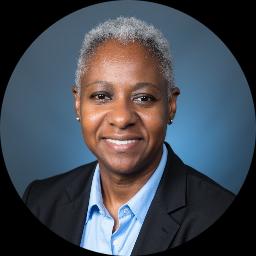
South Carolina · 12 yrs exp
Licensed social worker - family patterns and anxiety
Stress, Anxiety · LGBT · Trauma and abuse · Anger · +1 more
Read profile
South Carolina · 10 yrs exp
Licensed counselor - stress and addiction care
Stress, Anxiety · Addictions · Grief · Depression
Read profile
South Carolina · 4 yrs exp
Licensed social worker - Family and relationship concerns
Stress, Anxiety · Grief · Intimacy-related issues · Parenting · +12 more
Read profile
South Carolina · 3 yrs exp
Licensed Professional Counselor - Relationships and Family
Stress, Anxiety · Relationship · Family · Grief · +1 more
Read profile
South Carolina · 9 yrs exp
Dr. Sommer Garrett - LPC, family of origin and trauma focused
Stress, Anxiety · Family · Trauma and abuse · Grief · +13 more
Read profile
South Carolina · 14 yrs exp
Licensed Professional Counselor - Anxiety and Family Patterns
Stress, Anxiety · Trauma and abuse · Self esteem · Depression · +1 more
Read profile
South Carolina · 5 yrs exp
LISW-CP - Family and trauma focus
Stress, Anxiety · Family · Trauma and abuse · Self esteem · +1 more
Read profileIf you are looking for therapy without an in-person commute, online therapy is widely offered across South Carolina. Over recent years more clinicians have described offering remote sessions, which can increase the number of professionals you can consider regardless of geography. Many therapists in the state list an array of specialties and approaches on their profiles so you can learn how they describe their work before you reach out. When you review listings you will typically see information about the therapist's license type, education, areas of focus and the languages they speak. This information helps you narrow your search to practitioners who appear aligned with what you want to address. Keep in mind that a therapist's profile is a starting point for learning about fit - profiles reflect how clinicians present their services rather than formal outcome data.
Online therapy can make it easier for you to connect with a clinician if you live in a rural area, work irregular hours, or have mobility constraints. Rather than traveling to an office, you can join a session from a quiet room in your home or another place where you feel comfortable. That flexibility can reduce the time and cost associated with commuting and help you maintain continuity of care when life is busy or during transitions.
Because online sessions remove geographic limits, you may find a broader selection of therapists who list specific approaches or who have experience with particular populations. If you want to work with someone who shares your language, cultural background, or who lists experience addressing a particular concern, online options can increase the likelihood of finding a good match. You can review practitioner profiles to compare stated approaches, experience with client concerns, and other details that matter to you.
Therapists who offer online services address a wide range of emotional and behavioral concerns. You can find clinicians who describe work with anxiety, depression, stress, grief, relationship difficulties, parenting challenges, workplace stress and life transitions. Many profiles also note experience supporting people during major medical events, adjusting to changes like relocation, or coping with identity-related stress. If you are dealing with trauma-related symptoms, you may see therapists who list trauma-focused approaches among their methods; some professionals also list EMDR among their approaches, while others indicate cognitive behavioral therapy, mindfulness-based techniques, psychodynamic therapy or family systems work. Remember that when a therapist lists an approach, it indicates how they describe their practice rather than verifying formal certification in that approach. Reading profiles and asking questions during an initial consultation can help you understand how a clinician applies particular methods to your concerns.
Confirming a therapist's licensure is an important step when you are researching professionals. Start by locating the clinician's license information on their profile; many therapists include their license type and license number in public listings. You can then search the South Carolina licensing board's online lookup tool to verify the license status and expiration date. That lookup may show whether the license is active, the licensure category such as licensed professional counselor or marriage and family therapist, and whether there are any disciplinary actions on record. If you do not find a match in the online directory, you can contact the state licensing board directly for assistance. It is also reasonable to ask a clinician directly for their license number and the state that issued it. When you review licensing details, pay attention to the license type and the scope of practice it authorizes so you understand the clinician's professional standing in South Carolina.
Begin by identifying the most important qualities you want in a therapist - this might include clinical focus, therapeutic approach, language, cultural background, or values. Use those priorities to filter listings and read practitioner bios to learn how each clinician describes their work. Many profiles include descriptions of typical client concerns, session length, and whether the therapist lists working with certain populations. If a profile mentions insurance or fee ranges, that information can help you consider practical fit. When you contact a therapist, you can ask about their general way of working and any logistical essentials you need to arrange before your first session.
Decide which location you will use for sessions so you can join from a quiet, comfortable environment without interruptions. Test your internet connection, camera and microphone before the first meeting and ensure the device you plan to use is charged and updated. Ask the therapist what platform they use and whether any software needs to be installed. It is helpful to have a list of goals or concerns and a few questions to guide an initial conversation, such as how they usually structure sessions, what you might expect in early meetings, and how they handle documentation and billing.
Choosing a therapist is a personal decision and it is fine to prioritize different factors depending on your needs. Focus on the fit between your goals and the therapist's stated focus areas and approaches. If you are seeking culturally responsive care, look for clinicians who describe experience with your community or who list languages you speak. Pay attention to how a therapist communicates in their profile and any intake information - clear, respectful communication is a helpful sign of professional approachability. Consider practical matters such as session length, fees and insurance participation; these details affect whether you can sustain work with a particular clinician over time. While profiles give you an initial sense of fit, an early conversation or intake meeting can clarify how the therapist would approach your concerns and whether their style resonates with you.
When reviewing profiles, remember that therapists list approaches to describe their practice rather than as proof of formal certification in a method. If a specific modality matters to you, ask how the therapist uses that approach, what outcomes they aim for, and how they tailor methods to individual needs. You may also want to inquire about how they handle urgent concerns between sessions and what local resources they recommend if you need immediate support. Taking these steps can help you make an informed choice and begin collaborative work with a clinician whose orientation aligns with your priorities.
Online therapy in South Carolina offers a way to access professional support with more geographic flexibility and an expanded pool of clinicians. By verifying licenses, reviewing approaches and specialties, and preparing practical questions, you can approach your search with clarity and select a therapist who fits your needs and preferences.
Addictions
2816 therapists
ADHD
2537 therapists
Anger
3270 therapists
Control Issues
3184 therapists
Depression
4730 therapists
Grief
3904 therapists
Guilt and Shame
4477 therapists
Intimacy Issues
2756 therapists
Isolation / Loneliness
4138 therapists
Midlife Crisis
3234 therapists
Mood Disorders
3552 therapists
Panic Disorder and Panic Attacks
3064 therapists
Post-Traumatic Stress
3873 therapists
Self Esteem
4605 therapists
Social Anxiety and Phobia
3770 therapists
Stress & Anxiety
5213 therapists
Trauma and Abuse
4383 therapists
Abandonment
3334 therapists
Adoption
1809 therapists
Attachment Issues
3451 therapists
Blended Family Issues
3094 therapists
Body Image
2296 therapists
Career
3016 therapists
Caregiver Issues and Stress
3513 therapists
Codependency
3519 therapists
Commitment Issues
2871 therapists
Communication Problems
4652 therapists
Compassion Fatigue
2798 therapists
Coping with Life Changes
4418 therapists
Divorce
3680 therapists
Family
4032 therapists
Fatherhood Issues
1927 therapists
Forgiveness
4057 therapists
Infidelity
2645 therapists
Jealousy
2437 therapists
Life Purpose
4506 therapists
Money and Financial Issues
2013 therapists
Parenting
3370 therapists
Relationship
4573 therapists
Self-Love
4257 therapists
Workplace Issues
3665 therapists