
Sarah Baumgardner
LPCWest Virginia · 13 yrs exp
Licensed Professional Counselor - Family patterns and addictions
Addictions · LGBT · Trauma and abuse · Coping with life changes · +1 more
Read profileUnderstanding the patterns you grew up with
Therapist listings are provided by BetterHelp. We will earn a commission at no additional cost to you if you use our links to purchase.
Welcome to our directory for online therapy options in West Virginia. All therapists listed here are licensed in their professional fields, so you can review specialties, approaches, credentials and languages. Take time to explore profiles and find a clinician whose background and approach fit your needs.
West Virginia · 13 yrs exp
Licensed Professional Counselor - Family patterns and addictions
Addictions · LGBT · Trauma and abuse · Coping with life changes · +1 more
Read profile
West Virginia · 25 yrs exp
Dr. Barbara Brady - LPC, family and relationship focus
Relationship · Family · Grief · Anger · +9 more
Read profile
West Virginia · 22 yrs exp
Dr. Josalyn Ice - LPC, family and trauma concerns
Stress, Anxiety · Relationship · Trauma and abuse · Grief · +7 more
Read profile
West Virginia · 24 yrs exp
Licensed Professional Counselor - Family patterns and coping
Stress, Anxiety · Relationship · Trauma and abuse · Parenting · +14 more
Read profile
West Virginia · 13 yrs exp
Licensed Clinical Social Worker - Anxiety and Family issues
Stress, Anxiety · Trauma and abuse · Self esteem · Depression · +14 more
Read profile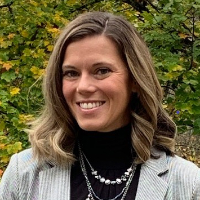
West Virginia · 3 yrs exp
LPC in West Virginia - family of origin and relationship focus
Stress, Anxiety · Relationship · Trauma and abuse · Grief · +13 more
Read profile
West Virginia · 22 yrs exp
Licensed Professional Counselor - Family and Trauma
Stress, Anxiety · Family · Trauma and abuse · Parenting · +10 more
Read profile
West Virginia · 7 yrs exp
Licensed Professional Counselor - Stress and Relationships
Stress, Anxiety · Addictions · LGBT · Intimacy-related issues · +1 more
Read profile
West Virginia · 11 yrs exp
Licensed Professional Counselor - Family of origin and anxiety
Stress, Anxiety · Addictions · Trauma and abuse · Depression · +7 more
Read profile
West Virginia · 14 yrs exp
Licensed social worker - family of origin concerns
Stress, Anxiety · Addictions · Trauma and abuse · Anger · +14 more
Read profile
West Virginia · 31 yrs exp
WV psychologist focused on stress and family issues
Stress, Anxiety · Trauma and abuse · Self esteem · Depression · +11 more
Read profile
West Virginia · 7 yrs exp
LPC in West Virginia - Stress and Family concerns
Stress, Anxiety · LGBT · Self esteem · Career · +10 more
Read profile
West Virginia · 20 yrs exp
LPC in West Virginia - Family of origin and addictions
Stress, Anxiety · Addictions · Trauma and abuse · Self esteem · +4 more
Read profile
West Virginia · 10 yrs exp
Licensed counselor - family of origin focus
Stress, Anxiety · Trauma and abuse · Parenting · Self esteem · +5 more
Read profile
West Virginia · 10 yrs exp
LPCC LPC - Stress and family issues
Stress, Anxiety · Family · Self esteem · Depression · +12 more
Read profile
West Virginia · 9 yrs exp
Licensed social worker - family patterns and coping
Stress, Anxiety · Trauma and abuse · Grief · Self esteem · +14 more
Read profile
West Virginia · 5 yrs exp
LICSW - Family of origin and trauma issues
Stress, Anxiety · Trauma and abuse · Grief · Anger · +7 more
Read profile
West Virginia · 11 yrs exp
Licensed Professional Counselor - Stress and Mood Issues
Stress, Anxiety · Addictions · Trauma and abuse · Grief · +10 more
Read profile
West Virginia · 16 yrs exp
Licensed Professional Counselor - Stress and relationships
Stress, Anxiety · Relationship · Grief · Depression · +1 more
Read profile
West Virginia · 24 yrs exp
Licensed social worker - family and trauma
LGBT · Family · Trauma and abuse · Grief · +1 more
Read profile
West Virginia · 6 yrs exp
LICSW in West Virginia - Stress and Relationships
Stress, Anxiety · Addictions · Trauma and abuse · Parenting · +14 more
Read profileOnline therapy has become a stable option for many people in West Virginia, offering a way to meet with clinicians without a commute. Across the state you will find licensed counselors, social workers, marriage and family therapists and psychologists who offer care by video, phone or text-based messaging. While some clinicians work from urban centers and others from smaller towns, the technology allows a broader geographic reach so you can connect with professionals whose specialties match what you are looking for. When you review profiles you will see information about credentials, the issues clinicians focus on, the therapeutic approaches they list and the languages they speak. Those details can help you identify clinicians with relevant experience and an approach that resonates with you.
There are practical advantages to meeting with a therapist online in a state with diverse terrain and rural communities. You may spend less time traveling, which can reduce stress and make it easier to fit sessions into a busy week. Online appointments can also expand your options if you live far from a city or prefer a clinician with a particular specialty that is not available nearby. Beyond convenience, many people find that remote sessions let them meet from a comfortable environment in their home, a car between errands or another personal setting that feels right for them.
Another benefit is continuity of care when life circumstances change. If you move within the state, relocate temporarily for work or face transportation barriers, online sessions can maintain therapeutic momentum. Many clinicians adapt session length, communication style and tools to support different needs, and you can ask about the ways a clinician uses video, phone and messaging during your initial conversations.
Online therapists in West Virginia commonly address a wide range of life challenges. You can find clinicians who focus on managing stress, anxiety, depression, relationship concerns, parenting issues and life transitions. Many also work with people coping with grief, adjustments related to chronic health conditions, identity and cultural questions, and workplace or academic stress. Some clinicians list specialties that emphasize trauma-informed care, while others highlight approaches for mood regulation, interpersonal difficulties or skills-based work.
When you read profiles, you may notice references to therapies and approaches such as cognitive-behavioral methods, mindfulness-based techniques, somatic approaches or therapists who list EMDR among their approaches. Those terms describe styles of work and areas of emphasis rather than a guarantee of specific credentials. If an approach resonates with you, you can ask a clinician how they apply it in sessions and whether it aligns with your goals.
Verifying licensure is an important step when you are selecting an online therapist. In West Virginia, professionals hold different types of license designations - for example, LPC, LCSW, LMFT, PsyD or PhD in psychology. Most state licensing boards maintain an online lookup tool where you can confirm a clinician's name, license type, license status and any public disciplinary history. When you view a profile, note the clinician's license type and license number, then search the state board's database for matching details.
License records typically show whether the license is active, the date it was issued, the expiration date and any public sanctions or restrictions. Those records do not describe a clinician's therapeutic style, but they do confirm the legal credential that allows a clinician to practice in West Virginia. If you have questions about a listing, you can contact the state board directly for guidance on interpreting the information you find.
Starting therapy online begins with clarifying what you hope to get out of sessions. Are you seeking short-term skills to manage anxiety, support through a life change, or a longer-term space to explore deeper patterns? Once you have an idea of your goals, use profiles to narrow your search by the issues clinicians list, the approaches they describe and the languages they offer. Look at credentials and experience to find clinicians whose backgrounds match your priorities, and read any practitioner statements to sense their therapeutic style and values.
When you reach out to a clinician, the initial exchange is an opportunity to learn how they work. You might ask about their typical session structure, how they approach goal-setting, and the communication methods they use between sessions if that is part of their practice. You can also ask practical questions about technology - whether they use video platforms that run in a browser or require an app - and what to expect for appointment length and session pacing. Those early conversations help you assess comfort and rapport before committing to a series of sessions.
Finding the right therapist often comes down to two elements - the clinical fit and the relational fit. The clinical fit relates to whether a clinician lists experience with the issues and approaches that match your goals. The relational fit is how comfortable you feel with the clinician's tone, style and way of interacting. You should feel heard and respected from the beginning, and it is reasonable to try one or two initial sessions to determine whether the clinician's approach supports your work.
As you make your decision, keep in mind that effective care is shaped by clear goals, realistic expectations and open communication. Be ready to discuss what success would look like for you, how you prefer to receive feedback, and what practical constraints matter - such as scheduling windows and technological setup. A thoughtful clinician will welcome those conversations and tailor their work to your circumstances.
Prepare a comfortable environment where you can speak freely and minimize interruptions. Check your internet connection and test your device and camera before a session to reduce technical stress. Consider whether you prefer video or phone calls, and choose a space that supports honest conversation - whether it is a personal room at home, a parked car for a short session between activities, or another setting that feels safe for you. Keep a list of the topics you want to address so sessions are focused and you can track progress over time.
If you have mobility limitations or live in an area with limited in-person options, online therapy can provide ongoing access to clinicians who work with similar concerns. When continuity matters, plan how you will maintain contact, manage documentation and coordinate care if you are also seeing other healthcare professionals. With thoughtful planning, online work can support meaningful progress across a wide range of concerns.
Exploring therapy profiles is an important first step toward finding a clinician who aligns with your needs. Use the directory to review licenses, specialties, approaches and languages, and rely on direct conversations to assess fit. When you find a therapist whose background and style resonate with you, that becomes the starting point for a collaborative process aimed at the goals you set together.
Addictions
2816 therapists
ADHD
2537 therapists
Anger
3270 therapists
Control Issues
3184 therapists
Depression
4730 therapists
Grief
3904 therapists
Guilt and Shame
4477 therapists
Intimacy Issues
2756 therapists
Isolation / Loneliness
4138 therapists
Midlife Crisis
3234 therapists
Mood Disorders
3552 therapists
Panic Disorder and Panic Attacks
3064 therapists
Post-Traumatic Stress
3873 therapists
Self Esteem
4605 therapists
Social Anxiety and Phobia
3770 therapists
Stress & Anxiety
5213 therapists
Trauma and Abuse
4383 therapists
Abandonment
3334 therapists
Adoption
1809 therapists
Attachment Issues
3451 therapists
Blended Family Issues
3094 therapists
Body Image
2296 therapists
Career
3016 therapists
Caregiver Issues and Stress
3513 therapists
Codependency
3519 therapists
Commitment Issues
2871 therapists
Communication Problems
4652 therapists
Compassion Fatigue
2798 therapists
Coping with Life Changes
4418 therapists
Divorce
3680 therapists
Family
4032 therapists
Fatherhood Issues
1927 therapists
Forgiveness
4057 therapists
Infidelity
2645 therapists
Jealousy
2437 therapists
Life Purpose
4506 therapists
Money and Financial Issues
2013 therapists
Parenting
3370 therapists
Relationship
4573 therapists
Self-Love
4257 therapists
Workplace Issues
3665 therapists