
Theresa Smith
LPCOklahoma · 20 yrs exp
Licensed Professional Counselor - Family issues and addiction
Stress, Anxiety · Addictions · Trauma and abuse · Anger · +8 more
Read profileUnderstanding the patterns you grew up with
Therapist listings are provided by BetterHelp. We will earn a commission at no additional cost to you if you use our links to purchase.
Welcome to the Oklahoma online therapy directory. All therapists listed here are licensed to practice in Oklahoma. Explore the profiles to learn about approaches, focus areas, languages, and more as you consider who may be a good fit.
Oklahoma · 20 yrs exp
Licensed Professional Counselor - Family issues and addiction
Stress, Anxiety · Addictions · Trauma and abuse · Anger · +8 more
Read profile
Oklahoma · 9 yrs exp
LPC in Oklahoma - Family of origin and relationships
Stress, Anxiety · Anger · Self esteem · Coping with life changes · +16 more
Read profile
Oklahoma · 6 yrs exp
Licensed Professional Counselor - Family of origin and anxiety
Stress, Anxiety · Trauma and abuse · Depression · Coping with life changes · +5 more
Read profile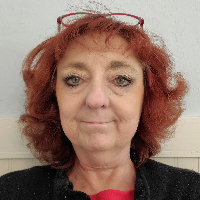
Oklahoma · 3 yrs exp
LPC in Oklahoma - family of origin and mood concerns
Stress, Anxiety · Anger · Depression · Coping with life changes · +7 more
Read profile
Oklahoma · 23 yrs exp
LPC - Anxiety and family of origin issues
Stress, Anxiety · Relationship · Trauma and abuse · Self esteem · +15 more
Read profile
Oklahoma · 22 yrs exp
LMFT in Oklahoma - family origins and relationships
Stress, Anxiety · Relationship · Family · Addictions · +12 more
Read profile
Oklahoma · 15 yrs exp
Licensed Professional Counselor - Family patterns and life stressors
Stress, Anxiety · Trauma and abuse · Grief · Self esteem · +12 more
Read profile
Oklahoma · 22 yrs exp
Licensed Professional Counselor - Family issues and mood concerns
Stress, Anxiety · Self esteem · Depression · Coping with life changes · +9 more
Read profile
Oklahoma · 20 yrs exp
LCSW - Family patterns and relationships
Stress, Anxiety · Family · Parenting · Depression · +9 more
Read profile
Oklahoma · 16 yrs exp
LPC - Anxiety and Family Origins
Stress, Anxiety · Trauma and abuse · Self esteem · Depression · +11 more
Read profile
Oklahoma · 27 yrs exp
Oklahoma LPC focusing on family patterns and anxiety
Stress, Anxiety · Trauma and abuse · Career · Depression · +11 more
Read profile
Oklahoma · 25 yrs exp
Licensed counselor - family origin patterns
Stress, Anxiety · Relationship · Trauma and abuse · Depression · +14 more
Read profile
Oklahoma · 7 yrs exp
LMFT in Oklahoma - Relationships and Family Patterns
Stress, Anxiety · Addictions · Relationship · Trauma and abuse · +15 more
Read profile
Oklahoma · 13 yrs exp
Licensed Professional Counselor - Relationships and Stress
Stress, Anxiety · Relationship · Family · Trauma and abuse · +11 more
Read profile
Oklahoma · 13 yrs exp
LPC in Oklahoma - family of origin and anxiety
Stress, Anxiety · Addictions · LGBT · Family · +15 more
Read profile
Oklahoma · 37 yrs exp
LCPC and LPC - family of origin and relationship concerns
Stress, Anxiety · Anger · Self esteem · Depression · +14 more
Read profile
Oklahoma · 8 yrs exp
Licensed Professional Counselor - LGBTQ and Family concerns
LGBT · Relationship · Family · Trauma and abuse · +1 more
Read profile
Oklahoma · 3 yrs exp
Licensed Professional Counselor - Family, Anxiety
Stress, Anxiety · LGBT · Trauma and abuse · Anger · +6 more
Read profile
Oklahoma · 7 yrs exp
Licensed Professional Counselor - relationships and trauma
Relationship · Trauma and abuse · Career · Depression · +1 more
Read profile
Oklahoma · 8 yrs exp
Licensed Professional Counselor - Family of origin and mood concerns
Stress, Anxiety · Trauma and abuse · Self esteem · Depression · +1 more
Read profile
Oklahoma · 29 yrs exp
Licensed Professional Counselor - Stress and Trauma
Stress, Anxiety · Trauma and abuse · Intimacy-related issues · Coping with life changes · +1 more
Read profile
Oklahoma · 17 yrs exp
Licensed Professional Counselor - Addictions and family patterns
Addictions
Read profile
Oklahoma · 10 yrs exp
LPC in Oklahoma - Relationships and Family Origins
Stress, Anxiety · Relationship · Family · Trauma and abuse · +1 more
Read profile
Oklahoma · 12 yrs exp
LPC in Oklahoma - family origin and life transitions
Stress, Anxiety · Anger · Self esteem · Coping with life changes · +1 more
Read profile
Oklahoma · 31 yrs exp
LPC in Oklahoma - Family and life patterns
Stress, Anxiety · Relationship · Self esteem · Depression · +9 more
Read profile
Oklahoma · 18 yrs exp
Licensed Professional Counselor - family and trauma concerns
Stress, Anxiety · Addictions · Relationship · Family · +15 more
Read profile
Oklahoma · 25 yrs exp
Licensed Professional Counselor - Family and mood concerns
Stress, Anxiety · Relationship · Family · Grief · +10 more
Read profile
Oklahoma · 27 yrs exp
Licensed Professional Counselor - Relationships and Family
Relationship · Family · Trauma and abuse · Grief · +16 more
Read profile
Oklahoma · 11 yrs exp
Licensed counselor - family patterns and relationships
Stress, Anxiety · Relationship · Self esteem · Depression · +11 more
Read profile
Oklahoma · 13 yrs exp
Licensed Clinical Social Worker - family of origin focus
Stress, Anxiety · Trauma and abuse · Grief · Self esteem · +11 more
Read profileIn recent years, online therapy has become a commonly used option for people across Oklahoma, from urban centers to rural communities. If you live in the state, you can find licensed clinicians who offer remote sessions using video, phone, or messaging formats. Because teletherapy regulations are tied to licensure, professionals who provide services to people physically located in Oklahoma must hold the appropriate Oklahoma license. That means when you search for online support, many profiles will note that a clinician is licensed in the state and list the formats they use for remote work.
You will notice a range of ways therapists describe their online services. Some emphasize short-term, skills-based work while others focus on long-term therapy and deeper exploration. The growth of online options reflects broader changes in how people access care - those changes make it easier to connect with clinicians who share your language, cultural background, or clinical interests without the constraint of geography. While the presence of digital tools increases convenience, it also places a premium on doing a little homework to confirm licensure, scope of practice, and approach before you begin.
Online therapy can offer practical advantages for many people in Oklahoma. If you live a long drive from urban centers, remote sessions reduce travel time and make it easier to fit therapy into a busy schedule. You may find that meeting from home or another familiar setting helps you focus on the work rather than logistics. For people with mobility limitations, caregiving responsibilities, or work schedules that make in-person visits difficult, online options can lower barriers to getting support.
Remote therapy also lets you broaden the pool of clinicians you consider. You can prioritize factors that matter most to you - approach, cultural understanding, language ability, or specific experience with life transitions or trauma - without being limited to a short local list. That said, online therapy does require reliable internet or phone access and a place where you can speak with minimal interruptions. Preparing a quiet, interruption-free room or private space for sessions helps maintain continuity and focus during sessions.
Therapists who offer remote services in Oklahoma help people with a wide range of concerns. Many profiles describe work with anxiety, depression, stress, relationship difficulties, grief and loss, life transitions such as career change or parenting shifts, and managing chronic health conditions. You will also find clinicians who focus on trauma-related concerns, substance use issues, and parenting or family dynamics. The specific problems a given clinician emphasizes will often appear in their listed specialties and descriptions.
Approaches vary across clinicians. You may see therapists who list cognitive behavioral therapy, dialectical behavior therapy, psychodynamic therapy, acceptance and commitment therapy, or EMDR among their approaches. Remember that a listing indicates an approach the therapist uses, and it is appropriate to ask about how they apply particular methods to issues like trauma or mood disorders. When you review profiles, look for language about the populations they work with - such as adolescents, adults, couples, or older adults - and whether they note cultural or language competencies that matter to you.
Verifying that a clinician holds an active Oklahoma license is an important step when selecting online therapy. You can begin by asking the clinician for their license type and license number. Common license types you may encounter include Licensed Professional Counselor, Licensed Clinical Social Worker or Licensed Social Worker, Licensed Marriage and Family Therapist, and psychologist credentials such as PhD or PsyD. Once you have a license number or the clinician's full professional name and license type, you can check state resources to confirm that the license is current and in good standing.
To verify a license, look for the official Oklahoma state licensing board or portal that provides license lookup tools and disciplinary history. Searching for Oklahoma license lookup through a state government website will typically lead you to a search page where you can enter a name or license number and view status details. The information available usually includes license status, expiration date, and any public disciplinary actions. If you prefer, you can contact the licensing board by phone or email to request verification steps or ask about how telehealth practice is regulated in the state. Keeping a record of the license number and verification screenshot or confirmation note can be helpful for your records.
Different licenses reflect different scopes of practice and supervisory requirements. For example, some license categories are independent practice licenses while others indicate a supervised or provisional status. If you see terms in a profile you do not recognize, ask the clinician to clarify what their license permits them to do in Oklahoma and whether that covers the services you are seeking. This conversation can also clarify whether the clinician is the right match for work that may require specialized training or experience, such as trauma-focused care or certain assessments.
Getting started with online therapy usually begins with clarifying what you want to work on. You might write a few sentences about your goals - for example, reducing panic symptoms, improving sleep, navigating a relationship change, or learning stress-management skills - and use that description when you review profiles or contact clinicians. When you reach out to a therapist, you can ask for basic information before scheduling, such as their approach, populations they typically work with, languages they speak, session length, typical frequency, and fee structure. If you use insurance, check whether the clinician lists billing options and whether they are in-network or provide documentation for out-of-network reimbursement.
When choosing between clinicians, consider fit as much as credentials. Think about whether you prefer a more directive, skills-based approach or an exploratory, insight-oriented process. Consider cultural factors - such as race, ethnicity, gender identity, sexual orientation, religion, and language - that are important for you to have reflected in your therapist's experience. You can ask whether a clinician has experience working with people facing similar issues, and what a typical early session looks like so you have an idea of pacing and structure.
Before your first session, test the technology you will use - check camera and microphone settings, test your internet connection, and make sure you know how to join the meeting link. Choose a quiet, interruption-free room or private space where you can speak openly. Have a list of topics or goals ready, and be prepared to discuss what has worked and not worked in previous help-seeking efforts. If you are using insurance or need receipt documentation, ask about billing practices and whether the clinician can provide a superbill or other paperwork you might need for reimbursement.
Trust and rapport develop over time, and it is normal to take a few sessions to see how a working relationship feels. If at any point you are unsure about fit, you can discuss that with the clinician. Many people find that open conversation about expectations improves the therapeutic experience. Finally, keep a sense of realistic goals - change often happens gradually - and consider short-term objectives you can track between sessions so you can see progress in concrete ways.
As you move from browsing profiles to reaching out, give yourself time to reflect on whether a clinician's described approaches and focus areas align with your needs. You do not need to commit to one format; some clients try a few sessions to evaluate fit. Remember to verify the clinician's Oklahoma license and ask the practical questions that will help you feel prepared for remote sessions. With careful selection and a clear sense of your goals, online therapy can be a flexible way to access professional support that fits your life in Oklahoma.
Addictions
2816 therapists
ADHD
2537 therapists
Anger
3270 therapists
Control Issues
3184 therapists
Depression
4730 therapists
Grief
3904 therapists
Guilt and Shame
4477 therapists
Intimacy Issues
2756 therapists
Isolation / Loneliness
4138 therapists
Midlife Crisis
3234 therapists
Mood Disorders
3552 therapists
Panic Disorder and Panic Attacks
3064 therapists
Post-Traumatic Stress
3873 therapists
Self Esteem
4605 therapists
Social Anxiety and Phobia
3770 therapists
Stress & Anxiety
5213 therapists
Trauma and Abuse
4383 therapists
Abandonment
3334 therapists
Adoption
1809 therapists
Attachment Issues
3451 therapists
Blended Family Issues
3094 therapists
Body Image
2296 therapists
Career
3016 therapists
Caregiver Issues and Stress
3513 therapists
Codependency
3519 therapists
Commitment Issues
2871 therapists
Communication Problems
4652 therapists
Compassion Fatigue
2798 therapists
Coping with Life Changes
4418 therapists
Divorce
3680 therapists
Family
4032 therapists
Fatherhood Issues
1927 therapists
Forgiveness
4057 therapists
Infidelity
2645 therapists
Jealousy
2437 therapists
Life Purpose
4506 therapists
Money and Financial Issues
2013 therapists
Parenting
3370 therapists
Relationship
4573 therapists
Self-Love
4257 therapists
Workplace Issues
3665 therapists