
Velma Jones
LCSWNew York · 29 yrs exp
Licensed Clinical Social Worker - Family and Relationships
Stress, Anxiety · Relationship · Trauma and abuse · Depression · +10 more
Read profileUnderstanding the patterns you grew up with
Therapist listings are provided by BetterHelp. We will earn a commission at no additional cost to you if you use our links to purchase.
On this page you can browse profiles of therapists who list social anxiety and phobia among their specialties. Each listing highlights approaches, credentials, languages, and areas of focus to help you narrow your search. Explore the therapist grid below to find professionals whose experience and style align with your needs.
New York · 29 yrs exp
Licensed Clinical Social Worker - Family and Relationships
Stress, Anxiety · Relationship · Trauma and abuse · Depression · +10 more
Read profile
Colorado · 19 yrs exp
LCSW - Family of origin and relationship work
Stress, Anxiety · Relationship · Trauma and abuse · Grief · +12 more
Read profile
Illinois · 19 yrs exp
Dr. Steven Hurley, IL Psychologist - Family patterns and coping
Stress, Anxiety · LGBT · Relationship · Trauma and abuse · +9 more
Read profile
Alabama · 22 yrs exp
AL LPC - Stress and family concerns
Stress, Anxiety · Trauma and abuse · Anger · Self esteem · +16 more
Read profile
Texas · 13 yrs exp
LCSW focused on relationships and family patterns
Stress, Anxiety · Relationship · Trauma and abuse · Anger · +11 more
Read profile
Florida · 20 yrs exp
FL LMHC - Addiction and family patterns
Stress, Anxiety · Addictions · Relationship · Self esteem · +16 more
Read profile
Minnesota · 25 yrs exp
Licensed counselor - family of origin and trauma focus
Stress, Anxiety · Relationship · Grief · Self esteem · +9 more
Read profile
Florida · 23 yrs exp
LICSW and LCSW - LGBT and intimacy concerns
LGBT · Intimacy-related issues
Read profile
Minnesota · 14 yrs exp
LMFT - Relationships and Family of Origin Patterns
Stress, Anxiety · Relationship · Family · Trauma and abuse · +8 more
Read profile
North Carolina · 16 yrs exp
Licensed Clinical Mental Health Counselor - Relationships and Trauma
Stress, Anxiety · Relationship · Trauma and abuse · Grief · +7 more
Read profile
Kansas · 12 yrs exp
Licensed Marriage and Family Therapist - Relationships and Trauma
Stress, Anxiety · Relationship · Intimacy-related issues · Depression · +13 more
Read profile
Kentucky · 18 yrs exp
LMFT - Relationships and family of origin concerns
LGBT · Relationship · Family · Self esteem · +14 more
Read profile
Louisiana · 7 yrs exp
Dr. Tanya Harrell - LPC, family and anxiety focus
Stress, Anxiety · Family · Trauma and abuse · Parenting · +15 more
Read profile
Florida · 25 yrs exp
Florida LMHC - family of origin and trauma focus
Relationship · Trauma and abuse · Grief · Anger · +12 more
Read profile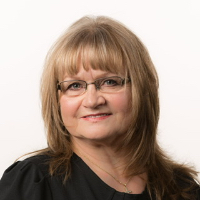
Texas · 15 yrs exp
LPC in Texas - family of origin and mood concerns
Addictions · Relationship · Trauma and abuse · Grief · +13 more
Read profile
Florida · 7 yrs exp
Licensed counselor - family origins and addiction
Addictions · Relationship · Family · Trauma and abuse · +13 more
Read profile
Texas · 12 yrs exp
LMFT - relationships and family of origin concerns
Stress, Anxiety · Addictions · Relationship · Grief · +11 more
Read profile
Florida · 26 yrs exp
LMHC - Relationship and life changes
Relationship · Grief · Self esteem · Depression · +13 more
Read profile
North Carolina · 10 yrs exp
LCSW in North Carolina - Family and Relationships
Stress, Anxiety · Relationship · Family · Bipolar · +16 more
Read profile
Texas · 17 yrs exp
LPC in Texas - family and anxiety concerns
Stress, Anxiety · Family · Depression · Coping with life changes · +12 more
Read profile
Oregon · 14 yrs exp
Licensed Professional Counselor - Mood and family roots
Grief · Self esteem · Career · Depression · +8 more
Read profile
New York · 11 yrs exp
LMHC in New York - Family and relationship concerns
Stress, Anxiety · Grief · Self esteem · Relationship · +8 more
Read profile
New York · 35 yrs exp
Licensed Clinical Social Worker - Family patterns and coping
Stress, Anxiety · Self esteem · Career · ADHD · +10 more
Read profile
Louisiana · 10 yrs exp
Licensed counselor - family of origin and relationships
Stress, Anxiety · Relationship · Family · Depression · +12 more
Read profile
Oregon · 32 yrs exp
LMFT focused on relationships and family patterns
Stress, Anxiety · Relationship · Trauma and abuse · Grief · +9 more
Read profile
Texas · 10 yrs exp
LPC in Texas - Family and relationship concerns
Stress, Anxiety · Relationship · Family · Depression · +14 more
Read profile
Wisconsin · 8 yrs exp
Licensed Professional Counselor - Relationships and Family Issues
Relationship · Intimacy-related issues · Coping with life changes · Stress, Anxiety · +8 more
Read profile
Texas · 11 yrs exp
Licensed Professional Counselor - relationships and family issues
Stress, Anxiety · Relationship · Family · Parenting · +9 more
Read profile
Ohio · 33 yrs exp
Ohio LPCC - Family and anxiety concerns
Stress, Anxiety · Family · Trauma and abuse · Self esteem · +12 more
Read profile
Illinois · 10 yrs exp
Illinois LCPC - Family and relationship concerns
Stress, Anxiety · LGBT · Relationship · Trauma and abuse · +10 more
Read profileSocial anxiety and phobia refer to a strong fear or intense discomfort in social situations where you might be observed, judged, or expected to perform. You may notice a pattern of worrying about upcoming conversations, avoiding gatherings, or feeling physically overwhelmed when attention turns to you. This fear often goes beyond occasional shyness - it can affect your work, relationships, or willingness to pursue new opportunities. Many people describe physical sensations such as a racing heart, trembling, sweating, or a sense of disconnect from their surroundings when anxiety peaks in social settings.
Symptoms can vary by situation and personal history. For some people the fear centers on one-on-one interactions or dating. For others it appears most strongly in public speaking or workplace meetings. You might find that social anxiety influences daily routines, like avoiding networking events or declining invitations, which can gradually narrow your social world. Understanding how the anxiety presents for you - the particular situations, the intensity, and any avoidance patterns - is an important step that many therapists focus on early in work together.
If social fear affects your ability to do things you value, that is a clear sign therapy could be useful. You may notice a persistent pattern of avoidance, such as saying no to career-advancing opportunities or missing out on relationships because social situations feel unmanageable. You might find yourself ruminating about past interactions, replaying conversations, or worrying about future encounters to the point that concentration and sleep are affected. Changes in mood, lowered self-esteem, or growing frustration with avoidance are additional indicators that professional support could help you develop tools to cope.
Therapy can help you expand the range of situations you feel able to engage in and reduce the amount of time spent preparing for or recovering from social events. You may learn strategies to manage intense worry and to test feared assumptions in real life. If social anxiety contributes to difficulties at work, school, or in personal life - for example limiting collaboration, dating, or participating in groups - working with a therapist can create a plan tailored to the specific ways anxiety shows up for you and the goals you want to pursue.
Early sessions often involve conversation about your history with social anxiety, the situations that cause the most distress, and the ways you have coped so far. A therapist will typically ask about any overlapping concerns such as low mood, substance use, or health conditions that can influence anxiety. Together you and the therapist can set practical goals - for example speaking in a meeting without leaving the room, attending a social event, or reducing the time you spend worrying before and after interactions. These goals become a guide for the type of work you do in sessions and outside of them.
Sessions commonly combine discussion, skill-building, and planned practice. A therapist may teach techniques for managing physiological arousal and anxious thoughts, then collaborate with you to design graded exposure exercises that let you practice new responses in manageable steps. Many people find that between-session practice helps translate insights into daily life. Progress is often gradual rather than immediate, and your therapist should adapt pacing to your comfort while encouraging steady movement toward your goals.
Cognitive and behavioral methods are frequently used for social anxiety because they target the thoughts and behaviors that maintain fear. You will likely explore how certain assumptions - for instance believing you will be harshly judged - influence your feelings and choices. You may work on identifying unhelpful thought patterns, testing assumptions through planned activities, and shifting avoidance into approach-based experiments. Therapists who list cognitive behavioral therapy or CBT among their approaches may emphasize these strategies, but therapists vary in how they integrate them into broader treatment plans.
Some therapists incorporate mindfulness-based skills to help you observe anxious thoughts without immediately reacting to them, or acceptance strategies that focus on creating space for uncomfortable sensations while still moving toward valued actions. Exposure-based work is commonly used to reduce fear through repeated, controlled contact with feared situations. You may also find clinicians who include psychodynamic perspectives, interpersonal focus, or family systems thinking to examine how relationships and past experiences shape social patterns. When you read profiles, look for language that clarifies how an approach might be used rather than assuming specific credentials.
Online therapy commonly takes place through video calls, text messaging, or a mix of formats that your therapist describes in their profile. You can expect most online sessions to mirror the rhythm of in-person work - a check-in, skill practice, planning, and reflection - while offering the convenience of connecting from a familiar environment. Some people find that beginning therapy online reduces the stress of traveling to an unfamiliar office and makes it easier to practice social skills in natural contexts. If you prefer in-person meetings, many profiles will indicate whether a clinician offers that option, but the format itself does not change the core therapeutic tasks.
When you search listings, focus on several practical factors. Consider the approaches a therapist lists and whether those align with the style of work you prefer - whether you want structured skills practice, exploration of underlying patterns, or a combination. Look at languages spoken and any specialty populations the therapist highlights if cultural fit is important to you. Read how a clinician describes typical session content so you can imagine what working together might feel like. It can be helpful to note whether a therapist emphasizes collaborative goal setting, exposure work, or skills for managing physiological symptoms, and to pick profiles that match the kind of support you want.
As you browse, pay attention to how clinicians communicate about social anxiety and their approach to treatment. Clear descriptions of methods, session structure, and areas of focus help you form realistic expectations. You may also prioritize clinicians who mention experience with the specific social situations that are most difficult for you, whether that is workplace interactions, performance anxiety, or interpersonal conversation. Trusting your sense of fit with a therapist's described style and values can make the process of reaching out feel more manageable and increase the chances that you will engage in the work over time.
Working with a therapist on social anxiety and phobia is a collaborative process that centers on practical skills, gradual practice, and attention to the patterns that keep fear in place. By learning about common approaches and reflecting on what matters most to you, you can use the listings on this page to find clinicians whose profiles align with your goals and preferences.
Alabama
77 therapists
Alaska
12 therapists
Arizona
80 therapists
Arkansas
49 therapists
Australia
180 therapists
California
472 therapists
Colorado
138 therapists
Connecticut
47 therapists
Delaware
10 therapists
District of Columbia
14 therapists
Florida
591 therapists
Georgia
148 therapists
Hawaii
17 therapists
Idaho
44 therapists
Illinois
193 therapists
Indiana
100 therapists
Iowa
30 therapists
Kansas
42 therapists
Kentucky
80 therapists
Louisiana
120 therapists
Maine
14 therapists
Maryland
64 therapists
Massachusetts
59 therapists
Michigan
185 therapists
Minnesota
92 therapists
Mississippi
49 therapists
Missouri
167 therapists
Montana
34 therapists
Nebraska
32 therapists
Nevada
27 therapists
New Hampshire
17 therapists
New Jersey
115 therapists
New Mexico
39 therapists
New York
227 therapists
North Carolina
221 therapists
North Dakota
3 therapists
Ohio
143 therapists
Oklahoma
98 therapists
Oregon
51 therapists
Pennsylvania
188 therapists
Rhode Island
11 therapists
South Carolina
119 therapists
South Dakota
11 therapists
Tennessee
104 therapists
Texas
593 therapists
Utah
56 therapists
Vermont
12 therapists
Virginia
93 therapists
Washington
89 therapists
West Virginia
21 therapists
Wisconsin
102 therapists
Wyoming
12 therapists