
Kelley Sullivan
LCSWColorado · 19 yrs exp
LCSW - Family of origin and relationship work
Stress, Anxiety · Relationship · Trauma and abuse · Grief · +12 more
Read profileUnderstanding the patterns you grew up with
Therapist listings are provided by BetterHelp. We will earn a commission at no additional cost to you if you use our links to purchase.
This page lists therapists who focus on forgiveness and related healing work. Browse the practitioner profiles below to learn about their approaches, focus areas and languages.
Colorado · 19 yrs exp
LCSW - Family of origin and relationship work
Stress, Anxiety · Relationship · Trauma and abuse · Grief · +12 more
Read profile
Illinois · 19 yrs exp
Dr. Steven Hurley, IL Psychologist - Family patterns and coping
Stress, Anxiety · LGBT · Relationship · Trauma and abuse · +9 more
Read profile
Alabama · 22 yrs exp
AL LPC - Stress and family concerns
Stress, Anxiety · Trauma and abuse · Anger · Self esteem · +16 more
Read profile
South Carolina · 16 yrs exp
Licensed Marriage and Family Therapist - Relationships and Family of origin
Stress, Anxiety · Relationship · Family · Parenting · +14 more
Read profile
Texas · 13 yrs exp
LCSW focused on relationships and family patterns
Stress, Anxiety · Relationship · Trauma and abuse · Anger · +11 more
Read profile
Florida · 20 yrs exp
FL LMHC - Addiction and family patterns
Stress, Anxiety · Addictions · Relationship · Self esteem · +16 more
Read profile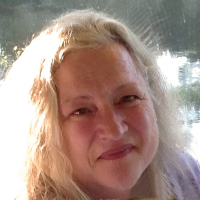
Minnesota · 25 yrs exp
Licensed counselor - family of origin and trauma focus
Stress, Anxiety · Relationship · Grief · Self esteem · +9 more
Read profile
Florida · 23 yrs exp
LICSW and LCSW - LGBT and intimacy concerns
LGBT · Intimacy-related issues
Read profile
Minnesota · 14 yrs exp
LMFT - Relationships and Family of Origin Patterns
Stress, Anxiety · Relationship · Family · Trauma and abuse · +8 more
Read profile
Mississippi · 16 yrs exp
Licensed Professional Counselor - Relationships and Family
Stress, Anxiety · Relationship · Family · Parenting · +6 more
Read profile
North Carolina · 16 yrs exp
Licensed Clinical Mental Health Counselor - Relationships and Trauma
Stress, Anxiety · Relationship · Trauma and abuse · Grief · +7 more
Read profile
Kansas · 12 yrs exp
Licensed Marriage and Family Therapist - Relationships and Trauma
Stress, Anxiety · Relationship · Intimacy-related issues · Depression · +13 more
Read profile
Colorado · 15 yrs exp
Licensed counselor - family of origin and relationships
Stress, Anxiety · Relationship · Intimacy-related issues · Self esteem · +10 more
Read profile
Florida · 25 yrs exp
Florida LMHC - family of origin and trauma focus
Relationship · Trauma and abuse · Grief · Anger · +12 more
Read profile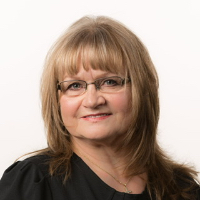
Texas · 15 yrs exp
LPC in Texas - family of origin and mood concerns
Addictions · Relationship · Trauma and abuse · Grief · +13 more
Read profile
Florida · 7 yrs exp
Licensed counselor - family origins and addiction
Addictions · Relationship · Family · Trauma and abuse · +13 more
Read profile
Texas · 12 yrs exp
LMFT - relationships and family of origin concerns
Stress, Anxiety · Addictions · Relationship · Grief · +11 more
Read profile
Florida · 26 yrs exp
LMHC - Relationship and life changes
Relationship · Grief · Self esteem · Depression · +13 more
Read profile
North Carolina · 10 yrs exp
LCSW in North Carolina - Family and Relationships
Stress, Anxiety · Relationship · Family · Bipolar · +16 more
Read profile
Oregon · 14 yrs exp
Licensed Professional Counselor - Mood and family roots
Grief · Self esteem · Career · Depression · +8 more
Read profile
New York · 11 yrs exp
LMHC in New York - Family and relationship concerns
Stress, Anxiety · Grief · Self esteem · Relationship · +8 more
Read profile
New York · 35 yrs exp
Licensed Clinical Social Worker - Family patterns and coping
Stress, Anxiety · Self esteem · Career · ADHD · +10 more
Read profile
Louisiana · 10 yrs exp
Licensed counselor - family of origin and relationships
Stress, Anxiety · Relationship · Family · Depression · +12 more
Read profile
Oregon · 32 yrs exp
LMFT focused on relationships and family patterns
Stress, Anxiety · Relationship · Trauma and abuse · Grief · +9 more
Read profile
Texas · 10 yrs exp
LPC in Texas - Family and relationship concerns
Stress, Anxiety · Relationship · Family · Depression · +14 more
Read profile
Wisconsin · 8 yrs exp
Licensed Professional Counselor - Relationships and Family Issues
Relationship · Intimacy-related issues · Coping with life changes · Stress, Anxiety · +8 more
Read profile
Texas · 11 yrs exp
Licensed Professional Counselor - relationships and family issues
Stress, Anxiety · Relationship · Family · Parenting · +9 more
Read profile
Illinois · 10 yrs exp
Illinois LCPC - Family and relationship concerns
Stress, Anxiety · LGBT · Relationship · Trauma and abuse · +10 more
Read profile
Florida · 14 yrs exp
LMHC - Family patterns and relationships
Stress, Anxiety · Trauma and abuse · Bipolar · Depression · +16 more
Read profile
Texas · 13 yrs exp
LPC and LMFT - Relationship and family issues
Stress, Anxiety · LGBT · Relationship · Trauma and abuse · +12 more
Read profileForgiveness is a complex process that involves changing how you relate to a past hurt, to the person who caused it and to yourself. For some people forgiveness means letting go of an ongoing cycle of anger or rumination. For others it means redefining boundaries, communicating needs more clearly or finding ways to live with a hard reality without allowing it to define your present. Forgiveness is not the same thing as forgetting, excusing harmful behavior or erasing consequences. Instead, it is a personal process that often blends emotional work with new choices about relationships and meaning.
How forgiveness affects your day-to-day life depends on the story you carry and the responses you have developed. You may notice changes in mood, sleep or the way you navigate relationships as you move through forgiveness work. People who engage in this kind of work frequently describe shifts in their perspective - a loosening of intrusive thoughts, clearer boundaries, or a renewed ability to invest in relationships that matter. Because forgiveness has emotional, cognitive and interpersonal dimensions, many people find it helpful to explore the process with a therapist who can hold the complexities and help you shape a path forward that fits your values.
You might decide to look for forgiveness-focused therapy when past hurts keep resurfacing and interfere with how you live now. If you find yourself ruminating about an offense, replaying events, or experiencing ongoing anger that affects your relationships or work, those are common signals that extra support could help. Persistent distrust, difficulty forming new attachments, intrusive memories of what happened, or a sense that the wound limits your choices are also reasons people seek guided support.
Other signs include repeated patterns of conflict with the same people or in similar situations, feeling stuck between wanting reconciliation and wanting to protect yourself, or being unsure how to set boundaries without feeling guilty. Some people notice physical signs such as muscle tension, sleep disruption or low energy tied to unresolved hurt. If you want to process meaning, consider whether the way you think about the event is keeping you from moving forward. Therapy can provide a place to name those dynamics and to practice new ways of responding that honor both your safety and your values.
When you begin forgiveness-focused therapy you can expect early sessions to focus on understanding the context of the hurt and your goals for change. You and your therapist will likely explore what forgiveness would look like for you, whether reconciliation is part of that goal, and what practical boundaries or steps are necessary to protect your wellbeing. The therapist will ask about the timeline of events, the impact on your relationships and how you have attempted to cope. This information helps shape a plan that honors your needs and moves at a pace that feels manageable.
Progress in forgiveness work often combines emotional processing, meaning-making and skill-building. You might spend time identifying and expressing unmet needs, practicing assertive communication, or working through grief and loss tied to the event. Exercises may include guided reflection, letter-writing that you do not send, role-play to rehearse boundary-setting or mindfulness practices to manage strong emotions. Therapy also often includes attention to how your personal history shapes your responses, so you can understand patterns and choose different responses when similar conflicts arise in the future.
Different therapists bring different perspectives to forgiveness work, and you will find variety in how they describe their methods. You may find therapists who list cognitive-behavioral therapy among their approaches, emphasizing how thoughts and beliefs influence feelings about the offense and using exercises to reframe unhelpful patterns. Some describe narrative therapy among their approaches, focusing on how the story you tell about what happened creates meaning and identity, and supporting you in rewriting that story to reflect your agency. You may encounter therapists who list EMDR among their approaches, using targeted protocols to help process disturbing memories that continue to cause high emotional arousal. There are also therapists who list internal family systems among their approaches, helping you explore different parts of yourself that hold anger, shame or the desire for safety. Therapists who list compassion-focused approaches among their approaches often emphasize developing self-compassion and reducing harsh self-judgment as part of the forgiveness process. Many practitioners combine elements from several approaches to fit your needs rather than following a single formula.
Online therapy can make forgiveness-focused work more accessible and flexible. You can meet with a therapist from your home or another convenient location using video or, in some cases, messaging. Sessions conducted by video allow you to maintain visual connection while working through emotional material, which can be especially helpful when you are practicing communication skills or processing relational wounds. If you prefer text-based exchanges, some therapists offer messaging options that let you reflect between sessions and receive feedback on the moments that matter in your daily life.
To get the most from online work you should think about creating a quiet, comfortable environment where you can talk openly and without interruptions. You might decide in advance where you will be during sessions, whether you will use headphones and how you will manage emotional reactions after a session. Online work can also support a mix of formats - synchronous video for deeper processing and asynchronous messaging for check-ins or journaling prompts. If you are considering both in-person and online options, you can ask a therapist how they structure online work for forgiveness so you understand session length, methods and how they support homework between meetings.
When you look through profiles, focus on how therapists describe their experience with relational hurt, reconciliation, boundary-setting or grief - these are often central to forgiveness work. Pay attention to the approaches they list, the populations they work with, and the language they use to describe how they conceptualize forgiveness. Credentials and licensing help you understand clinical background, and descriptions of lived experience, cultural competence and language skills can matter if you want a therapist who understands your cultural context.
It can be helpful to think about whether you want individual work that focuses on your internal process, couples work that addresses forgiveness between partners, or family-focused sessions when the hurt involves multiple people. You may also want a therapist who mentions specific methods you find appealing - for example, those who list cognitive-behavioral techniques if you prefer structured exercises, or those who list narrative or compassion-focused approaches if exploring meaning and self-kindness matters to you. When you reach out to a potential therapist, consider asking how they approach forgiveness in early contact so you can get a sense of their style and whether it fits your needs. Taking that first step gives you more information, and it is normal to try a few conversations before deciding who feels right for this work.
Forgiveness is a personal journey that often requires patience, courage and practical skills. With thoughtful guidance you can clarify what forgiveness means for you, protect your wellbeing as you engage this work and find ways to move forward that reflect your values and relationships. Use the listings above to explore profiles and find a therapist who describes an approach that resonates with your goals.
Alabama
77 therapists
Alaska
12 therapists
Arizona
80 therapists
Arkansas
49 therapists
Australia
180 therapists
California
472 therapists
Colorado
138 therapists
Connecticut
47 therapists
Delaware
10 therapists
District of Columbia
14 therapists
Florida
591 therapists
Georgia
148 therapists
Hawaii
17 therapists
Idaho
44 therapists
Illinois
193 therapists
Indiana
100 therapists
Iowa
30 therapists
Kansas
42 therapists
Kentucky
80 therapists
Louisiana
120 therapists
Maine
14 therapists
Maryland
64 therapists
Massachusetts
59 therapists
Michigan
185 therapists
Minnesota
92 therapists
Mississippi
49 therapists
Missouri
167 therapists
Montana
34 therapists
Nebraska
32 therapists
Nevada
27 therapists
New Hampshire
17 therapists
New Jersey
115 therapists
New Mexico
39 therapists
New York
227 therapists
North Carolina
221 therapists
North Dakota
3 therapists
Ohio
143 therapists
Oklahoma
98 therapists
Oregon
51 therapists
Pennsylvania
188 therapists
Rhode Island
11 therapists
South Carolina
119 therapists
South Dakota
11 therapists
Tennessee
104 therapists
Texas
593 therapists
Utah
56 therapists
Vermont
12 therapists
Virginia
93 therapists
Washington
89 therapists
West Virginia
21 therapists
Wisconsin
102 therapists
Wyoming
12 therapists