- CBT based work
- Attachment focus
- Practical coping skills
About Rodrecus
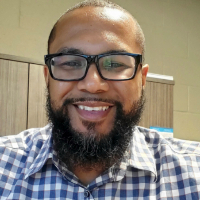
Rodrecus Atkinson is a Licensed Professional Counselor (LPC) in South Carolina with 11 years of experience in counseling and mental health. He works with adults facing stress, anxiety, depression, relationship problems, parenting concerns, and family-related issues. He also addresses topics such as ADHD, addiction, grief, self-esteem, and coping with life changes.
He uses Cognitive Behavioral Therapy (CBT) as a core approach. He blends that with client-centered attention and elements from Acceptance and Commitment Therapy (ACT), Attachment-Based Therapy, and Dialectical Behavior Therapy (DBT) when those methods fit the person’s needs. Sessions involve direct conversation, practical skills, and collaborative planning to tackle daily problems.
Rodrecus emphasizes clear communication and straightforward interaction. He is open and honest in sessions, and he uses humor and humility when appropriate. He avoids labels and focuses on what someone can do differently to reduce distress and move forward.
In practice he helps people notice patterns that come from the family they grew up in and how those patterns show up now. He will talk through role expectations, recurring conflict, boundaries, and how family ties shape current relationships and decisions.
People who pick his approach can expect hands-on tools along with reflective conversation. He aims to help clients build coping skills, change unhelpful thoughts and behaviors, and improve day-to-day functioning. To begin, clients complete a short matching questionnaire and schedule an initial session.
How his approaches translate to online work
Acceptance and Commitment Therapy (ACT) focuses on helping people notice their thoughts and commit to value-driven actions. It can help with anxiety, avoidance, and finding direction after life changes. Cognitive Behavioral Therapy (CBT) identifies unhelpful thoughts and patterns, then replaces them with practical strategies to change behavior and mood. This is often useful for depression, anxiety, and everyday stress. Attachment-Based Therapy looks at how early family relationships shape current patterns. It helps people understand closeness, conflict, and role expectations that came from the family they grew up in.Choosing an approach is a shared process. The therapist will listen to what matters to the client, discuss options, and adapt methods based on goals and preferences. That collaborative step helps match techniques to daily life and to the problems someone hopes to change.
Confirm the current session options before booking since formats are not specified in the biography. Online sessions can make it easier to fit counseling around work, school, or parenting. Video can allow face-to-face conversation and shared exercises, while phone or audio-only sessions can be a shorter check-in or work better when bandwidth is limited. These practical choices can help sessions integrate with routines without requiring travel.
Areas of expertise
Primary focus
Also works with
Additional focus areas
Therapeutic approaches
Experience
11+ years
Listed in
South Carolina
Languages
English
Frequently asked questions
What concerns does he help with?
He works with stress, anxiety, depression, relationship and family-origin issues, parenting concerns, addictions, ADHD, grief, and related problems.
What is his therapeutic style?
He uses a straightforward, interactive style that emphasizes clear communication, practical skills, and collaborative planning.
How much experience does he have?
He has 11 years of experience in the counseling and mental health field.
What credentials and location apply?
He is a Licensed Professional Counselor (LPC) practicing in South Carolina.
Which languages are supported?
Sessions are offered in English.
Does he work with international clients?
He does not accept international clients at this time.
How are sessions paid for?
Session cost varies with location and uses a subscription model that can be canceled at any time.
How do I begin working together?
Select the See online therapy options button, complete a short matching questionnaire, and schedule a first session.
Online talk therapy is not emergency care. If you are in danger, use the emergency numbers. Looking for someone else? Find them by surname.