- Cognitive Behavioral Therapy
- Dialectical Behavior Therapy
- Communication skills
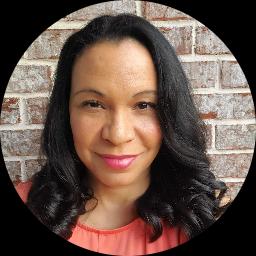
About Zoe
Zoe Segers is a Licensed Mental Health Counselor (LMHC) in Florida and a Licensed Professional Counselor (LPC) in Georgia with 25 years in the mental health field. She works with adults on concerns such as stress, anxiety, relationship difficulties, grief, intimacy questions, depression, LGBT issues, parenting pressures, and family of origin patterns. Sessions focus on practical steps and clearer communication rather than medical labels.
Zoe draws on Cognitive Behavioral Therapy and Dialectical Behavior Therapy alongside client-centered methods. She pays attention to how people communicate and the roles they learned in their families. Conversations aim to identify strengths, build new skills, and test small changes that fit daily life.
She often helps people who are coping with life transitions, chronic worry, anger, or struggles with self-esteem. Zoe also works with people managing conditions such as bipolar disorder, ADHD, and compassion fatigue, and she addresses concerns around adoption, attachment, blended families, body image, and caregiving stress.
In sessions she looks at patterns that come from childhood and family dynamics without assigning blame. The focus is on noticing how those patterns show up now, experimenting with different responses, and improving communication in close relationships.
Zoe accepts clients in English and is open to international clients. Fees vary by location and sessions use a subscription that can be canceled at any time. To begin, prospective clients complete a short matching questionnaire and schedule a first session.
How Zoe’s approaches translate to online sessions
Client-Centered Therapy focuses on listening and following the client’s agenda, helping people name what matters and decide on next steps. It supports work on communication patterns, confidence, and deciding what to change.Cognitive Behavioral Therapy (CBT) looks at the links between thoughts, feelings, and actions. It uses short exercises and practical experiments that people can try between sessions to reduce anxiety, adjust unhelpful thinking, and improve behavior.
Dialectical Behavior Therapy (DBT) teaches concrete coping skills such as emotion regulation, distress tolerance, and interpersonal effectiveness. These skills are useful for managing intense emotions, anger, and relationship conflicts.
Choosing an approach is collaborative. The therapist will discuss goals and preferences, try methods that match those goals, and adjust what they do based on what helps. Clients and the therapist work together to pick which techniques to use and how quickly to move from skill-building to practice.
Session format options are not listed in the biography, so confirm current online session choices before booking. Many people find online sessions easier to fit into busy schedules, allow for shorter check-ins when needed, and avoid travel time. The focus remains on practical tools and clearer communication that can be practiced between meetings.
Areas of expertise
Primary focus
Also works with
Additional focus areas
Therapeutic approaches
Experience
25+ years
Listed in
Georgia, Florida
Languages
English
Frequently asked questions
What issues does she address related to family patterns?
She works with adults on family of origin concerns, relationship roles, attachment issues, and how childhood patterns affect current relationships.
What is her general therapeutic style?
She uses client-centered care alongside Cognitive Behavioral Therapy and Dialectical Behavior Therapy to focus on communication and practical skills.
How much experience does she have?
She has 25 years in the mental health field working with individuals and couples on a range of concerns.
What are her credentials and where does she practice?
She is an LMHC in Florida and an LPC in Georgia and practices from Georgia for U.S. clients.
Which languages are supported?
Sessions are offered in English and she also accepts international clients.
What session formats are offered?
Session formats are not specified in the biography; please confirm current session options before booking.
How does payment work?
Fees vary with location and sessions use a subscription model that can be canceled at any time.
How do I get started?
Select the See online therapy options button, complete a short matching questionnaire, and schedule a first session.
Online talk therapy is not emergency care. If you are in danger, use the emergency numbers. Looking for someone else? Find them by surname.