- CBT techniques
- DBT skills
- Narrative work
About Toni
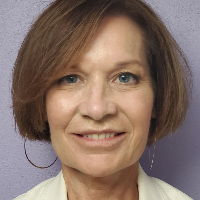
Dr. Toni Morgan-Jones is a Wisconsin psychologist with 23 years of experience. She works with adults dealing with depression, anxiety, mood instability, grief, relationship strains, and family-related patterns. She also has experience supporting people coping with persistent mental illness and the stress of caregiving.
She draws on straightforward, practical approaches in sessions. That can mean looking at current thinking patterns, trying different behavior strategies, or retelling personal stories to find new meanings. Sessions often include concrete skills to manage intense emotions and steps to address recurring problems from the past.
Her background includes work in outpatient clinics, county mental health services, and integrated care programs across both urban and rural Wisconsin. That range has informed how she adapts methods to everyday life and different community contexts. Clients may find this helpful when they need help fitting therapy into busy schedules.
Dr. Morgan-Jones commonly uses client-centered methods, cognitive behavioral techniques, dialectical behavior ideas, mindfulness, and narrative approaches. She chooses interventions based on what seems to help a person make small, practical changes and feel more in control of daily stresses.
People often come to her worried that patterns from the family they grew up in still shape their choices and emotions. She works with those concerns directly, including issues tied to attachment, abandonment, blended family dynamics, and communication problems.
How her approaches translate to online sessions
Client-centered work focuses on listening and reflecting back what a person says to clarify themes and goals. This helps when someone wants to understand how family roles or past expectations influence present behavior.Cognitive Behavioral Therapy (CBT) looks at thoughts, feelings, and behaviors and uses practical exercises to change unhelpful patterns. It can be useful for anxiety, depression, and repetitive reactions shaped by family dynamics.
Dialectical Behavior Therapy (DBT) offers concrete skills for managing strong emotions, improving distress tolerance, and strengthening interpersonal effectiveness. These skills can help when emotional reactivity or communication problems come up in relationships.
Finding the right approach is part of the work. The therapist will talk with the client about goals, try methods that fit those goals, and adjust based on what helps. That collaborative decision making guides which techniques are used over time.
Confirm the exact session options before booking since formats were not specified in the biography. Online sessions can make it easier to fit therapy into a busy week, reduce travel time, and allow for shorter check-ins when needed. Talk with the therapist about which session length and rhythm fit day-to-day life.
Areas of expertise
Primary focus
Also works with
Additional focus areas
Therapeutic approaches
Experience
23+ years
Listed in
Wisconsin
Languages
English
Frequently asked questions
What kinds of concerns does she help with?
She works with stress, anxiety, depression, grief, relationship and intimacy issues, and concerns linked to family of origin patterns.
What is her general therapy style?
Her style is practical and person-focused, using client-centered listening alongside skills-based approaches such as CBT and DBT.
How much clinical experience does she have?
She has 23 years of experience working in outpatient clinics, county mental health services, and integrated care programs in Wisconsin.
What are her credentials and where is she based?
She is listed as WI Psychologist 2785-057 and practices in Wisconsin.
Which languages are supported for sessions?
Sessions are offered in English.
Can people outside the United States work with her?
She is not currently accepting international clients.
How is cost handled for sessions?
Cost varies with location and sessions use a subscription model that can be canceled at any time.
What are the first steps to start with her?
Select the See online therapy options button, complete a short matching questionnaire, and schedule a first session.
Online talk therapy is not emergency care. If you are in danger, use the emergency numbers. Looking for someone else? Find them by surname.