- Family of origin issues
- Trauma and EMDR
- CBT and mindfulness
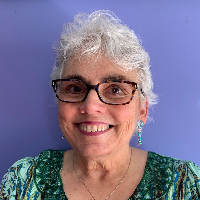
About Teresa
Teresa McCarthy is a Licensed Professional Counselor (LPC) practicing in Pennsylvania with ten years of experience. She lists stress, anxiety, depression, addiction, relationship and family concerns, trauma and abuse, self-esteem, grief, parenting strain, and ADHD among the issues she addresses.
Teresa draws on past work in foster care and adoption, domestic violence services, community mental health, school-based programs, home-based care, and a county psychiatric hospital. That background informs how she notices patterns that come from early family dynamics and attachment history. She listens for repeating roles, expectations, and connection habits that still affect day-to-day life.
Her way of working is client-centered. She treats the person in front of her as the expert on their life. Teresa mixes approaches such as cognitive behavioral ideas, mindfulness practices, existential questions about meaning, and EMDR for trauma-related material when appropriate. Sessions are paced to match what someone can handle that week.
In practical terms she helps people identify unhelpful thoughts, shift behaviors that keep problems going, and build steadier routines for sleep, mood, and coping. She also supports people dealing with caregiver stress, chronic illness, and issues around adoption or foster care.
Teresa aims to be patient and attentive during sessions. She encourages people to set the pace and priorities. To begin, clients choose an initial appointment and then shape subsequent work based on what they want to focus on.
Approaches you may use together online
Client-centered therapy focuses on the person's experience and choices. It means the therapist listens, reflects, and follows the client's priorities so sessions stay relevant to everyday life. Cognitive Behavioral Therapy (CBT) breaks problems into thoughts, feelings, and behaviors. It uses practical steps to test unhelpful beliefs and try new behaviors to improve mood and anxiety.Teresa treats finding the right approach as a collaborative process. She will discuss options, try methods that fit the client's goals, and adjust the plan based on what helps. That conversation is part of early sessions rather than a one-time decision.
Session logistics should be confirmed before booking since the original biography does not list specific online formats. Ask which formats are offered and how they work. Online work can make it easier to fit sessions into a busy week, allow shorter check-ins when needed, and avoid travel time so people can attend from quieter surroundings. The therapist will help choose an approach and a session rhythm that fits the client's schedule and goals.
Areas of expertise
Primary focus
Also works with
Additional focus areas
Therapeutic approaches
Experience
10+ years
Listed in
Pennsylvania
Languages
English
Frequently asked questions
What concerns does she address?
Teresa works with stress, anxiety, depression, addiction, relationship and family concerns, trauma and abuse, self-esteem, grief, parenting strain, ADHD, and related issues.
What is her therapeutic style?
She practices a client-centered approach and combines methods such as CBT, mindfulness, existential questions, and EMDR elements to match a person's needs.
How much experience does she have?
Teresa has ten years of experience in clinical and community mental health settings, including work with foster care, adoption, and domestic violence.
Where is she licensed and based?
She is a Licensed Professional Counselor (LPC) practicing in Pennsylvania.
Which languages are supported?
Sessions are offered in English.
Can international clients work with her?
She does not accept international clients at this time.
How are sessions paid for?
Cost varies with location; sessions use a subscription that can be canceled at any time.
How do I begin working with her?
Start by selecting the See online therapy options button, complete a short matching questionnaire, and schedule a first session.
Online talk therapy is not emergency care. If you are in danger, use the emergency numbers. Looking for someone else? Find them by surname.