- Anxiety and depression
- Family of origin issues
- CBT and ACT methods
About Tashara
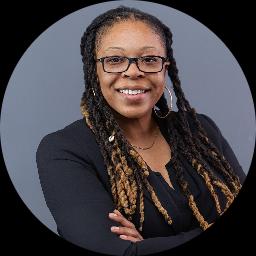
Tashara Jones is a Licensed Professional Counselor (LPC) in Georgia with ten years of clinical experience. She helps adults who are dealing with anxiety, depression, stress, and complicated family patterns. She also supports people coping with trauma and life transitions that affect daily functioning and relationships.
She listens to how early family roles and expectations continue to affect current choices. That includes work on attachment wounds, abandonment concerns, and blended family dynamics. Conversations often cover communication problems, self-worth, and boundaries that feel hard to hold.
Her sessions include practical tools and talk. She draws on cognitive behavioral techniques to challenge unhelpful thoughts and on acceptance and commitment ideas to clarify values and next steps. Dialectical behavior skills are used for emotional regulation when feelings feel overwhelming.
Tashara pays attention to culture, identity, and social pressures that shape how people respond to stress. She uses client-centered and motivational interviewing methods to keep the work collaborative and focused on what the client wants to change.
People usually work on small, concrete changes first. That might mean testing a new boundary, practicing a different conversation, or learning a short breathing or grounding skill. Over time the work can shift toward longer-term patterns that started in childhood and still show up in relationships now.
How her approaches come into online sessions
Acceptance and Commitment Therapy helps people notice unhelpful thoughts and decide what matters most to them. It often supports work on values and committed actions when old family patterns conflict with current goals.Cognitive Behavioral Therapy focuses on identifying and changing thoughts and behaviors that keep stress and anxiety high. It is useful for managing panic, persistent worry, and mood changes linked to daily routines.
Dialectical Behavior Therapy offers concrete skills for emotion regulation and distress tolerance. Those skills can be helpful when feelings from childhood or family conflict cause intense reactions.
Finding the right approach is part of the work. The therapist will talk with the client about goals, try approaches that fit, and adjust methods based on what helps most. That collaboration shapes whether sessions emphasize skills, values-based action, or communication practice.
Session format details are not listed here, so confirm current options before booking. Online sessions can make it easier to fit therapy into a workday, reduce travel time, or allow a shorter check-in when needed. Licensed professionals commonly use these practical benefits to help therapy fit everyday life.
Areas of expertise
Primary focus
Additional focus areas
Therapeutic approaches
Experience
10+ years
Listed in
Georgia
Languages
English
Frequently asked questions
What concerns does she address related to family background?
She works with adults concerned about family of origin patterns, attachment wounds, abandonment, and how those patterns affect current relationships.
Which therapy approaches does she use in sessions?
She uses Acceptance and Commitment Therapy, Client-Centered Therapy, Cognitive Behavioral Therapy, Dialectical Behavior Therapy, and Motivational Interviewing depending on the client's needs.
How long has she been practicing?
She has ten years of experience working with adults on anxiety, depression, trauma, stress, and life transitions.
Where is she licensed and located?
She is a Licensed Professional Counselor (LPC) in Georgia.
Can I work with her if I live outside the United States?
Sessions are offered in English and she is not currently accepting international clients.
What formats are available for sessions?
Current session formats are not specified here; please confirm the available session options before scheduling.
How are session fees handled?
Costs vary with location and sessions use a subscription that can be canceled at any time.
How do I begin working with her?
Select the See online therapy options button, complete a short matching questionnaire, and schedule a first session.
Online talk therapy is not emergency care. If you are in danger, use the emergency numbers. Looking for someone else? Find them by surname.