- Stress and anxiety
- Addictions and grief
- CBT and DBT methods
About Suzanne
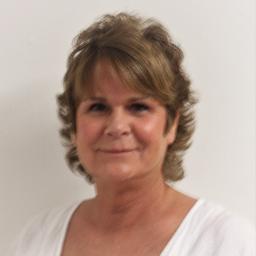
Suzanne Baer is a Licensed Clinical Professional Counselor (LCPC) in Illinois with 22 years of experience. She works with adults who are dealing with stress, anxiety, addictions, trauma and abuse, grief, and depression. Suzanne also focuses on family of origin issues such as attachment and abandonment concerns that keep showing up in adult life.
Suzanne’s background includes work in inpatient drug and alcohol treatment, sexual abuse counseling, and community mental health. That range of settings informs how she approaches practical problems and complex histories. She draws on methods that help people change patterns and manage strong feelings.
In sessions she uses client-centered work alongside Cognitive Behavioral Therapy (CBT) and Dialectical Behavior Therapy (DBT). She also uses mindfulness practices and Motivational Interviewing when they fit a person’s goals. These methods are used to address symptoms and to help people notice and change recurring family patterns.
Her style is direct and interactive. Suzanne talks through what is happening now and connects it to the family roles and expectations that shaped the person early on. She focuses on skills for emotion regulation, clearer communication, and decision making.
People who come for help with grief, addiction, or longstanding anxiety will find a therapist who combines practical skill building with attention to how family of origin issues affect current relationships. To begin, prospective clients use the site matching process and schedule a first session to see if this approach fits their needs.
Therapeutic approaches and online sessions
The practice uses Client-Centered Therapy to focus on the individual's concerns and to guide conversations based on what matters most to the person. This approach helps people talk through how family roles and expectations affect choices and relationships.Cognitive Behavioral Therapy (CBT) is used to identify unhelpful thoughts and behaviors and to build clearer patterns of thinking and acting. CBT is useful for anxiety, depression, and for changing behaviors linked to addictions or avoidance.
Dialectical Behavior Therapy (DBT) contributes practical skills for regulating intense emotions and improving interpersonal effectiveness. Those skills are often helpful when family of origin issues create repeating cycles of conflict or withdrawal.
Choosing the right approach is part of the work. The therapist will collaborate with each person to decide which methods best fit their goals, history, and preferences. That decision can shift over time as needs change.
Confirm current session options before booking, as formats are listed on the matching page. Online sessions can make it easier to fit therapy into a regular routine, reduce travel time, and allow shorter check-ins when needed. Licensed professionals aim to match approach and scheduling to everyday life so therapy can be practical and accessible.
Areas of expertise
Additional focus areas
Therapeutic approaches
Experience
22+ years
Listed in
Illinois
Languages
English
Frequently asked questions
Which concerns does she focus on?
She works with adults facing stress, anxiety, addictions, trauma and abuse, grief, and depression, and addresses related issues such as attachment and abandonment.
What is her therapeutic style?
Her approach is interactive and practical, combining client-centered talk with skill teaching to change patterns that come from the family someone grew up in.
How much clinical experience does she have?
She has 22 years of experience working in inpatient treatment, sexual abuse counseling, and community mental health settings.
What credential does she hold and where is she located?
She is an Illinois LCPC, which stands for Licensed Clinical Professional Counselor, and practices in Illinois.
Which languages are supported for sessions?
Sessions are offered in English.
Does she work with international clients?
International clients are not currently accepted.
How are sessions billed or paid for?
Cost varies with location and sessions use a subscription model that can be canceled at any time.
What are the next steps to begin?
Select the See online therapy options button, complete the short matching questionnaire, and schedule a first session through the site.
Online talk therapy is not emergency care. If you are in danger, use the emergency numbers. Looking for someone else? Find them by surname.