- Addictions
- Anxiety and depression
- Attachment work
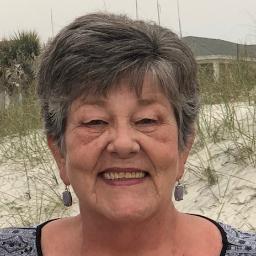
About Sharon
Sharon Clark is a Licensed Clinical Social Worker (LCSW) in Kentucky with 22 years of experience. She works with adults facing issues like addiction, anxiety, depression, relationship problems, grief, parenting stress, and family of origin issues. Sharon also supports people dealing with ADHD, bipolar mood struggles, compassion fatigue, and career-related stress.
Her style is straightforward and practical. She draws on clinical approaches such as cognitive behavioral therapy and acceptance and commitment therapy to help people notice patterns and try new, manageable behaviors. She uses attachment-based ideas and emotionally-focused methods when relationship patterns and closeness are central concerns.
Sharon has worked with diverse people, including time spent as a substance abuse counselor. That background means she can talk about how therapy fits alongside everyday responsibilities like work, school, and medical appointments. She prefers video sessions because they help both sides get to know one another, but she aims to be flexible about scheduling.
In sessions she helps people name repeating family roles, boundary problems, and communication habits that keep causing trouble. Conversations often include practical steps to reduce stress, improve communication, and handle emotions more clearly. Homework or short experiments between sessions are offered when they suit the person's goals.
People who choose her can expect a collaborative approach focused on real-life problems. Sharon uses plain language, practical tools, and her years of clinical experience to help people rethink old patterns and try different ways of relating.
How her therapeutic approaches work in online sessions
Sharon commonly uses cognitive behavioral therapy and attachment-based ideas in session. CBT focuses on spotting unhelpful thoughts and testing small behavior changes to reduce anxiety or depression. Attachment-based work looks at patterns of closeness and distance formed early in life and how they show up in adult relationships.Finding the right combination of approaches is part of the work together. She will discuss what fits best based on a person's goals, preferences, and what turns up in early sessions. That decision is collaborative and can shift if something isn't helping.
Sharon has said she prefers video conferencing because it helps with getting to know each other, but she also notes flexibility around scheduling to fit work, school, or medical appointments. Please confirm which session formats are currently offered before booking. Online sessions can make it easier to fit short check-ins into a workday, reduce travel time, or avoid the need to be on camera for every meeting depending on the format chosen.
Areas of expertise
Primary focus
Also works with
Additional focus areas
Therapeutic approaches
Experience
22+ years
Listed in
Kentucky
Languages
English
Frequently asked questions
What kinds of concerns does she help with?
She works with addiction, anxiety, depression, relationship problems, grief, parenting stress, and family of origin issues among other areas.
What is her therapeutic style?
She takes a practical, straightforward approach using conversation, problem-solving, and small behavioral steps to address repeating patterns.
How much clinical experience does she have?
She has 22 years of experience as a clinician, including work as a substance abuse counselor.
What credential does she hold and where is she based?
She is a Licensed Clinical Social Worker (LCSW) licensed in Kentucky.
Which languages are supported in sessions?
Sessions are offered in English.
Can people outside the US work with her?
She does not accept international clients at this time.
How are sessions scheduled and what about session formats?
She prefers video conferencing but aims to be flexible about timing to accommodate work and appointments; confirm current session options before booking.
How does payment and getting started work?
Cost varies with location and sessions use a subscription that can be canceled at any time. To begin, select the See online therapy options button, complete a short matching questionnaire, and schedule a first session.
Online talk therapy is not emergency care. If you are in danger, use the emergency numbers. Looking for someone else? Find them by surname.