- Attachment-based work
- Cognitive Behavioral Therapy
- Mindfulness techniques
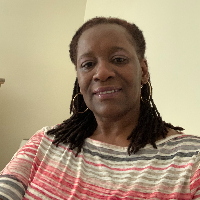
About Richlyn
Richlyn Fletcher is a Licensed Clinical Social Worker (LCSW) with 29 years of experience based in New York. She lists stress, anxiety, relationship concerns, trauma and abuse, depression, addictions, grief, parenting, ADHD, and family issues among the areas she works with. She speaks English and has worked with people from many cultural backgrounds.
She takes a straightforward, practical approach in sessions. Richlyn uses Cognitive Behavioral Therapy (CBT) to look at thinking patterns and behaviors that keep problems going. She also uses Motivational Interviewing to help people find the drive to change, and Mindfulness tools to support emotion regulation and better sleep. Attachment-based ideas inform how she looks at family-of-origin and relationship patterns.
Richlyn often incorporates creative expression into work when it helps - music, movement, or art - to make it easier to name feelings and try small changes. Sessions focus on developing coping skills, improving communication, and addressing issues such as codependency, abandonment concerns, blended family stress, and caregiver strain. She names practical steps and skills rather than long theory talks.
Her background includes a bachelor’s degree in social work from Buffalo State College and a master’s degree in social work from Fordham University. That clinical training and nearly three decades of practice shape a pragmatic style aimed at making daily life more manageable.
People who want to look at how family roles and early attachments keep shaping current choices can expect a mix of skills work, reflective conversation, and hands-on methods to try between meetings. To start, the site’s matching steps are used to schedule a first session.
How her approaches translate to online work
Attachment-based work focuses on how early relationships shape current patterns and helps people notice repeating roles and reactions. Online sessions can use reflective conversation to trace those patterns and plan different responses. Cognitive Behavioral Therapy (CBT) breaks problems into thoughts, feelings, and actions; online meetings can review thought records, set small behavior experiments, and practice skills between sessions. Motivational Interviewing helps people clarify reasons to change and build internal motivation through focused questions and goal-setting in session.Finding the right mix of methods is part of the work. The therapist will discuss goals and preferences and will suggest which approach or combination to try. This is a collaborative process and may shift as people make progress or face new challenges.
The therapist’s specific online session formats are not listed here, so confirm current options before booking. Online appointments can make it easier to fit therapy into a busy schedule, allow shorter check-ins when needed, and remove travel time so sessions can happen during a lunch break or between errands. Many people find this helps them practice new skills in their regular life while keeping momentum between meetings.
Areas of expertise
Primary focus
Also works with
Additional focus areas
Therapeutic approaches
Experience
29+ years
Listed in
New York
Languages
English
Frequently asked questions
What concerns does she address?
She lists stress, anxiety, relationship issues, trauma and abuse, depression, addictions, grief, parenting, ADHD, and family concerns among her focus areas.
What therapeutic style does she use?
She draws from Attachment-Based Therapy, Client-Centered Therapy, Cognitive Behavioral Therapy, Mindfulness, and Motivational Interviewing to shape sessions.
How much experience does she have?
She has 29 years working as a clinician in New York, combining academic training with long-term practice.
What are her credentials and location?
She is a Licensed Clinical Social Worker (LCSW) registered in New York and practices from New York.
Which languages are supported?
Sessions are offered in English.
Are international clients accepted?
She does not accept international clients at this time.
How much do sessions cost?
Cost varies with location and sessions use a subscription model that can be canceled at any time.
How do I begin working with her?
Select the See online therapy options button, complete a short matching questionnaire, and schedule a first session.
Online talk therapy is not emergency care. If you are in danger, use the emergency numbers. Looking for someone else? Find them by surname.