- ACT and CBT
- DBT skills
- Mindfulness techniques
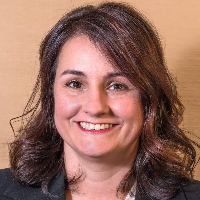
About Rachael
Rachael McKinnon is a Licensed Master Social Worker (LMSW) practicing in Michigan with 14 years of clinical experience. She focuses on stress, anxiety, addictions, relationship and family concerns, depression, grief, and coping with life changes. Rachael also addresses a wide range of related issues including anger, sleep problems, self-esteem, career concerns, and concerns related to LGBT identity and bipolar mood symptoms.
Rachael uses clear, practical conversation to help people notice how early family patterns affect their choices now. Sessions often include looking at communication, boundaries, and repeated roles people fall into. She talks through skills for managing strong feelings and for changing unhelpful thoughts and behaviors.
Her background includes long-term clinical work with adults facing addiction, trauma and abuse, and complicated grief. She draws on evidence-based approaches such as cognitive behavioral techniques and mindfulness to reduce symptoms and improve day-to-day functioning. Dialectical behavior skills and acceptance-based methods are also part of her toolkit.
In sessions she prioritizes collaboration and goal-setting. People work on concrete strategies - for example, managing anxiety with behavioral experiments, improving sleep routines, or planning steps to address substance use. Rachael supports clients as they test new ways of communicating and set firmer boundaries with family of origin patterns.
She offers guidance on coping with life transitions, caregiver stress, chronic health concerns, and interpersonal control or codependency issues. People who want straightforward, skills-focused work about how their early family experiences still shape adult life may find her approach useful.
How Rachael uses evidence-based approaches online
Acceptance and Commitment Therapy (ACT) helps people notice unhelpful thoughts and choose actions that match their values. It can be useful for stress, anxiety, and situations where avoidance keeps problems going. Cognitive Behavioral Therapy (CBT) focuses on identifying and changing thoughts and behaviors that keep symptoms active. CBT is often used for anxiety, depression, sleep problems, and patterns that started in childhood. Dialectical Behavior Therapy (DBT) emphasizes skills for emotion regulation, distress tolerance, and clearer communication. Those skills are helpful for intense emotions, anger, and relationship struggles.Finding the right approach is a collaborative process. The therapist will discuss goals, try different techniques, and adjust strategies based on what helps you most. Sessions usually mix skill practice, problem-solving, and checking whether new behaviors fit your life and values.
Confirm current session options before booking so you know the formats offered. Online work can make it easier to fit therapy into a busy life - for example, shorter check-ins during a lunch break, avoiding travel time, or using video when face-to-face interaction matters. Discuss practical preferences at the first appointment so session length and structure match your daily schedule.
Areas of expertise
Primary focus
Also works with
Additional focus areas
Therapeutic approaches
Experience
14+ years
Listed in
Michigan
Languages
English
Frequently asked questions
What kinds of concerns does she help with?
Rachael works with stress, anxiety, addiction, depression, grief, relationship and family issues, and coping with life changes. She also addresses anger, sleep problems, self-esteem, career concerns, and related areas listed in her profile.
What is her therapeutic style like?
She uses practical conversation and skills-based work. Sessions focus on identifying patterns from the family you grew up in and trying concrete techniques to change them.
How much experience does she have?
She has 14 years of clinical experience as a Licensed Master Social Worker (LMSW) in Michigan.
Where is she licensed and practicing?
She practices in Michigan and holds the credential MI LMSW as listed in her profile.
Which languages are supported in sessions?
Sessions are offered in English.
Can international clients work with her?
International clients are not currently accepted according to the profile.
How do sessions and payment work?
Cost varies with location and sessions use a subscription model that can be canceled at any time. Specific rates depend on your location.
How do I begin working with her?
Select the See online therapy options button, complete the short matching questionnaire, and schedule a first session.
Online talk therapy is not emergency care. If you are in danger, use the emergency numbers. Looking for someone else? Find them by surname.