- Anxiety and depression
- Family of origin issues
- Coping and skills
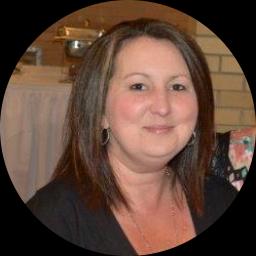
About Michelle
Michelle Perkins is a Licensed Clinical Social Worker (LCSW) and a Licensed Independent Social Worker (LISW) with 12 years of experience. She works with adults on issues such as anxiety, depression, stress, relationship difficulties, addiction, sleep problems, and parenting challenges. Michelle also lists family of origin issues, attachment and abandonment concerns, and LGBT-related matters among her focus areas.
She uses direct, practical approaches in sessions. That can include talking through current problems, learning new coping strategies, and practicing skills to manage mood and behavior. Michelle names Cognitive Behavioral Therapy, Dialectical Behavior Therapy, Emotionally-Focused Therapy, Client-Centered Therapy, and Mindfulness Therapy among the methods she draws on.
Sessions tend to focus on clear goals and concrete steps. Clients can expect discussions about patterns that started in childhood and how those patterns appear now. Work may include improving communication, setting boundaries, or reducing symptoms of anxiety and depression.
Michelle’s background includes licensure in Florida and Ohio. She describes a collaborative relationship where education and practical tools are part of the process. Her experience covers a wide range of life stressors, from grief and chronic illness to career strain and parenting stress.
She offers help for people wanting to understand how their family of origin shapes current choices and relationships. The emphasis is on manageable changes and learning skills that fit into everyday life.
Therapeutic approaches and how online work fits
Client-Centered Therapy focuses on the client’s perspectives and preferences, giving people space to talk through their concerns and decide on goals. It helps when someone wants a collaborative, non-directive conversation about relationship patterns and family origins.Cognitive Behavioral Therapy (CBT) looks at how thoughts, feelings, and behaviors interact. In sessions clients learn practical skills to challenge unhelpful thoughts and change behaviors that maintain anxiety or depression.
Dialectical Behavior Therapy (DBT) offers concrete tools for emotional regulation, distress tolerance, and improved communication. Those skills are useful for people managing strong emotions or recurring relationship conflicts.
Choosing the right approach is part of the work. The therapist will discuss goals, past efforts, and preferences, and then recommend methods that fit. That decision is collaborative and can change as therapy progresses.
Session formats are not detailed in the biography, so confirm which options are currently offered before scheduling. Online work can make it easier to fit sessions into a busy week, reduce travel time, allow shorter check-ins between obligations, or let someone join when they cannot be seen in person. Licensed professionals can adapt CBT, DBT, and Client-Centered techniques to remote sessions to focus on skills practice, communication work, and managing family-of-origin patterns.
Areas of expertise
Primary focus
Also works with
Additional focus areas
Therapeutic approaches
Experience
12+ years
Listed in
Florida, Ohio
Languages
English
Frequently asked questions
What kinds of problems does she address?
She works with adults on stress, anxiety, depression, addictions, relationship and family issues, grief, sleep and parenting concerns, and related areas such as attachment and abandonment.
What is her approach in sessions?
Michelle uses practical, evidence-based methods including Client-Centered Therapy, Cognitive Behavioral Therapy (CBT), Dialectical Behavior Therapy (DBT), Emotionally-Focused Therapy (EFT), and Mindfulness Therapy to help clients learn skills and change patterns.
How much clinical experience does she have?
She has 12 years of experience working with adults on a range of emotional and relational concerns.
What are her credentials and where is she based?
She holds LCSW and LISW credentials and is licensed in Florida and Ohio. Her practice is listed as located in Florida.
Which languages are supported for sessions?
Sessions are offered in English.
Does she work with clients outside the United States?
International clients are not currently accepted.
How are sessions arranged and what formats are offered?
Session formats are not specified here; please confirm the current session options before booking so you know whether in-person or remote sessions are possible.
How are fees handled and how do I start?
Cost varies with location and sessions use a subscription that can be canceled at any time. To begin, select the See online therapy options button, complete the short matching questionnaire, and schedule a first session.
Online talk therapy is not emergency care. If you are in danger, use the emergency numbers. Looking for someone else? Find them by surname.