- Family of origin issues
- CBT and DBT methods
- Grief and addictions
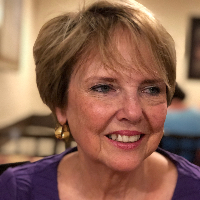
About Mary
Dr. Mary Walker is a Licensed Professional Counselor (LPC) in Texas with ten years of clinical experience. She lists eating, sleeping, addictions, LGBT concerns, grief, career issues, bipolar disorder, coaching, and ADHD among her main areas. Her work also includes family of origin issues and related patterns from childhood that keep showing up in adult life.
She originally worked as a high school art teacher, which gave her time with young people and a sense for how early relationships shape behavior. She later served as a mentor in church settings and moved into counseling to focus more directly on people’s struggles. Her academic path includes a master’s in counseling from Houston Graduate School of Theology and a Ph.D. from Texas A&M Corpus Christi.
In practice she uses client-centered work alongside cognitive behavioral and dialectical behavior approaches. She also draws on existential and mindfulness ideas when they fit a person’s situation. Sessions emphasize clear skills, steady listening, and practical steps to manage daily problems like sleep, mood, and addictive patterns.
She has worked with people who report long-term effects from childhood experiences, including abandonment, adoption and foster care questions, blended family stress, and codependency. She has experience supporting people facing grief, chronic illness, caregiver stress, dissociation, and feelings of emptiness.
Dr. Walker accepts international clients and conducts sessions in English. The counseling process starts with a brief matching questionnaire and scheduling a first session. Costs vary by location and use a subscription that can be canceled at any time.
How her clinical approaches translate to online work
Client-Centered Therapy focuses on listening and reflecting what a person says so they can consider choices and values. It helps when someone needs a steady listener and practical feedback about patterns that came from childhood.Cognitive Behavioral Therapy (CBT) looks at thoughts and behaviors together and teaches concrete tools for sleep, mood, and addictive habits. It is useful for people wanting clear steps to change unhelpful routines.
Dialectical Behavior Therapy (DBT) offers skills for managing strong emotions and improving distress tolerance, which can help with impulsive behavior, relationship strain, and chronic emotional ups and downs.
Choosing an approach is a shared process. The therapist will discuss goals and preferences, try methods that match those goals, and adjust as needed. Clients and therapist work together to see which techniques make sense for the issues at hand.
Confirm the current session formats before booking, as the biography does not list specific options. Online sessions can make it easier to fit counseling into work or family days, allow shorter check-ins when needed, and remove travel time. Talk with the therapist about practical arrangements like camera use, audio-only meetings, or session length so the setup supports regular work on family of origin patterns and daily stress.
Areas of expertise
Primary focus
Also works with
Additional focus areas
Therapeutic approaches
Experience
10+ years
Listed in
Texas
Languages
English
Frequently asked questions
What concerns does she address related to family patterns?
She works with family of origin issues and related topics such as abandonment, blended family stress, and codependency.
How would you describe her therapeutic style?
She uses a client-centered approach paired with cognitive behavioral therapy and dialectical behavior therapy to teach skills and talk through problems.
How much clinical experience does she have?
She has ten years of experience in counseling, including prior work as a teacher and mentor that informs her practice.
What credentials and location are listed for this therapist?
She is a Licensed Professional Counselor (LPC) practicing in Texas.
Which languages are supported for sessions?
Sessions are offered in English and the therapist accepts international clients.
What session formats are available?
The original biography does not specify session formats; please confirm current session options before booking.
How are fees structured for sessions?
Costs vary with location and sessions use a subscription model that can be canceled at any time.
How do I begin working with this therapist?
Start by selecting the See online therapy options button, complete a short matching questionnaire, and schedule a first session.
Online talk therapy is not emergency care. If you are in danger, use the emergency numbers. Looking for someone else? Find them by surname.