- attachment work
- CBT techniques
- emotion-focused care
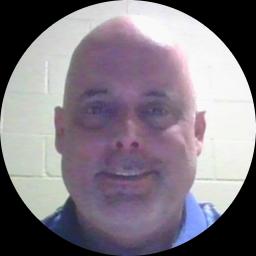
About James
James Dion is a Licensed Clinical Mental Health Counselor (LCMHC) practicing in North Carolina with five years of professional experience. He works with adults dealing with stress, anxiety, addiction, family conflicts, trauma and abuse, and related concerns. Sessions are presented in straightforward language and focus on practical steps clients can use day to day.
In sessions he listens for how family patterns show up now. He helps people name repeated roles and expectations learned in childhood. Conversations aim to make those patterns easier to notice and manage in relationships and work.
James uses approaches like attachment-based work, client-centered conversation, cognitive behavioral techniques, and emotionally-focused ideas. That means he blends talking through feelings, looking at how thoughts influence behavior, and noticing how early relationship experiences shape present reactions.
He supports people working through grief, intimacy concerns, sleep and eating difficulties, and major life changes. He also addresses issues such as ADHD, caregiver stress, blended family tensions, and separation or divorce. The focus stays practical - clarifying what is happening and trying small, testable changes.
James is willing to connect outside normal hours when needed and asks people to raise scheduling questions up front. To begin, prospective clients follow the site instructions to view online therapy options and complete a short matching questionnaire before scheduling a first session.
How his approaches translate to online work
Attachment-based work focuses on how early relationships shape current reactions. Online sessions using this approach look at patterns in close relationships and help people name needs and triggers. Cognitive Behavioral Therapy (CBT) looks at the link between thoughts, feelings, and actions; online sessions often include simple exercises to try between meetings and short behavior experiments to test what changes behavior. Emotionally-Focused Therapy (EFT) centers on identifying and expressing key emotions to improve relationship responses and self-understanding.Choosing the right approach is part of the process. James collaborates with each person to decide which methods fit their goals and preferences. He will discuss what feels most useful and adjust as work progresses so sessions remain relevant and practical.
The original biography does not specify session formats, so confirm current online options before booking. Online work can make scheduling easier and allow shorter check-ins when days are busy. It can also let people do focused skill practice between meetings and keep momentum when life makes in-person visits difficult.
Areas of expertise
Primary focus
Also works with
Additional focus areas
Therapeutic approaches
Experience
5+ years
Listed in
North Carolina
Languages
English
Frequently asked questions
What concerns does he address related to family of origin?
He helps people identify and work through recurring family roles, expectations, and communication patterns that still affect adult life.
What is his therapy style like?
He blends client-centered conversation with cognitive behavioral and emotionally-focused approaches to help people notice patterns and try new behaviors.
How much experience does he have?
He has five years of professional work experience as an LCMHC in clinical settings and private practice.
Where is he licensed and practicing?
He is a Licensed Clinical Mental Health Counselor (LCMHC) licensed in North Carolina.
Which languages are sessions offered in?
Sessions are offered in English and he accepts international clients.
What session formats does he provide?
The original biography does not list specific session formats; please confirm current session options before booking.
How are sessions priced?
Cost varies with location and sessions use a subscription that can be canceled at any time.
How do I begin working with him?
Select the See online therapy options button, complete the short matching questionnaire, and then schedule a first session.
Online talk therapy is not emergency care. If you are in danger, use the emergency numbers. Looking for someone else? Find them by surname.