- Anxiety and depression
- Trauma and grief
- Mindfulness and CBT
About Elizabeth
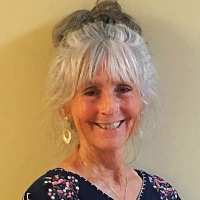
Elizabeth Chavez is an independently licensed professional clinical counselor (LPCC) practicing in New Mexico with 20 years of experience in mental health care. She has worked in intensive psychiatric hospitals, correctional settings, substance treatment centers, and community counseling centers. She focuses on concerns such as anxiety, depression, substance use, trauma and grief, and life transitions, and she lists family-related and intimacy issues among her areas of focus.
Her style is conversational and person-centered. Sessions are treated as a dialogue where the client’s perspective guides the work. She looks to identify strengths, obstacles, and practical steps that help people feel more stable and engaged in daily life.
Elizabeth draws on therapies that emphasize skills and insight. She uses cognitive behavioral strategies to change unhelpful thinking and behavior. She also uses dialectical behavior therapy skills for emotional regulation and mindfulness practices to increase present-moment awareness.
Her experience in diverse settings means she has worked with people facing acute crises as well as longer-term struggles. That variety informs a practical approach focused on immediate coping skills and lasting patterns that come from family of origin and attachment issues when those are relevant.
In sessions she helps people build tools for managing stress, addictions, sleep and eating difficulties, and parenting strain. She also supports work on relationship patterns, boundaries, codependency, and feelings that trace back to early family roles and expectations.
How therapeutic approaches are used in online sessions
Client-Centered Therapy focuses on listening and understanding the person as they describe their life. It involves open conversation, reflection, and working from the client’s goals to shape each session. Cognitive Behavioral Therapy (CBT) uses straightforward exercises to identify and change unhelpful thoughts and behaviors, which can help with anxiety, depression, and sleep or eating concerns. Dialectical Behavior Therapy (DBT) brings practical skills for managing intense emotions, improving distress tolerance, and strengthening interpersonal effectiveness.Deciding which approach to use is collaborative. The therapist will talk with the client about goals, what has or hasn’t worked before, and preferences. Together they choose strategies and adjust them over time based on how the work is going.
The biography does not list specific session formats, so confirm current options before booking. Online work can make it easier to fit sessions into a weekly routine, shorten check-ins when schedules are tight, and use exercises between meetings. The focus remains on applying CBT, DBT, and client-centered techniques to real life problems so people can build skills and notice changes in day-to-day functioning.
Areas of expertise
Also works with
Additional focus areas
Therapeutic approaches
Experience
20+ years
Listed in
New Mexico
Languages
English
Frequently asked questions
What kinds of concerns does she address?
She works with stress, anxiety, depression, addictions, trauma and grief, relationship and family concerns, and related issues such as sleep and eating problems.
How would you describe her therapeutic style?
Her approach is person-centered and conversational. She focuses on practical tools, insight into patterns, and collaborative problem solving.
What background does she bring to sessions?
She has 20 years of experience and has worked in psychiatric hospitals, correctional settings, substance treatment centers, and community counseling centers.
What are her credentials and where does she practice?
She is an LPCC - Licensed Professional Clinical Counselor - practicing in New Mexico.
Can I work with her if I live outside the United States?
Sessions are offered in English and she does not accept international clients at this time.
Which session formats does she offer?
Please confirm current session options before booking, as the biography does not specify which formats are offered.
How are fees handled?
Cost varies with location and sessions use a subscription that can be canceled at any time.
How do I begin working with her?
Use the See online therapy options button, complete a short matching questionnaire, and schedule a first session.
Online talk therapy is not emergency care. If you are in danger, use the emergency numbers. Looking for someone else? Find them by surname.