- ACT
- CBT
- DBT skills
About Cynthia
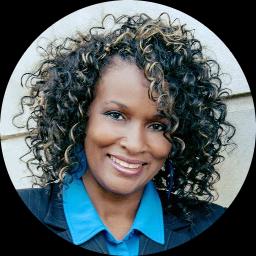
Cynthia Wells is a Licensed Mental Health Counselor (LMHC) in Florida with five years of professional experience. She works with adults facing depression, stress and anxiety, trauma and abuse, grief and loss, and bipolar disorder. Cynthia also addresses relationship and family concerns, parenting strain, addictions, ADHD, and challenges with self-esteem and anger.
Her approach is conversational and practical. Sessions focus on clear goals and everyday strategies. Cynthia adapts her style to each person and uses a mix of methods to match what a client needs at the time.
She draws on Acceptance and Commitment Therapy to help people clarify values and take small steps that matter. Cognitive Behavioral Therapy is used to identify unhelpful thinking and build different coping habits. Dialectical Behavior Therapy skills are added when emotion regulation and distress tolerance are priorities.
Emotionally-Focused Therapy ideas inform work around relationship patterns and attachment, while Client-Centered Therapy frames the interaction as respectful and client-led. Cynthia aims to help people notice the ways family of origin patterns show up now and to practice different responses.
Practical concerns such as work stress, caregiver burden, career decisions, and life transitions are routinely part of sessions. She also addresses complex focus areas like abandonment, attachment issues, codependency, dissociation, and blended family dynamics. The tone in sessions is straightforward and focused on useful next steps.
How her therapeutic approaches translate to online work
Acceptance and Commitment Therapy helps people identify what matters to them and take small, consistent steps toward those values. It is useful for anxiety, stress, life changes, and patterns rooted in the family someone grew up with.Cognitive Behavioral Therapy focuses on spotting unhelpful thoughts and testing new behaviors. It is practical and often used for depression, anxiety, and building coping skills for everyday problems.
Dialectical Behavior Therapy provides concrete skills for managing intense emotions and improving distress tolerance. Those skills can be helpful when someone struggles with anger, mood swings, or impulsive reactions linked to past relationship patterns.
Finding the best approach is part of the work. The therapist will review goals, preferences, and the problems you bring to decide which methods to emphasize. This is a collaborative process and adjustments are made as progress or circumstances change.
The therapist's biography does not list specific session formats, so confirm current options before booking. Many people find online sessions help fit therapy into work and family life, allow shorter check-ins when schedules are tight, and remove travel time. If quieter surroundings, reduced screen time, or a brief phone check-in would help you attend more consistently, mention that when setting up your first session.
Areas of expertise
Primary focus
Also works with
Additional focus areas
Therapeutic approaches
Experience
5+ years
Listed in
Florida
Languages
English
Frequently asked questions
What concerns does she help with?
She works with depression, stress and anxiety, trauma and abuse, grief, bipolar disorder, addictions, relationship and family issues, parenting strain, ADHD, and related concerns.
What is her therapy style like?
Her style is practical and conversational. She sets clear goals and uses evidence-based techniques in a client-led way.
How much experience does she have?
Cynthia has five years of professional work experience as an LMHC.
What are her credentials and location?
She holds the LMHC credential and is licensed in Florida.
Which languages are supported?
Sessions are offered in English, and she accepts international clients.
What session formats are available?
The original biography does not list specific session formats; please confirm current session options before booking.
How are sessions billed?
Cost varies with location and sessions use a subscription that can be canceled at any time.
How do I get started?
Select the See online therapy options button, complete a short matching questionnaire, and schedule a first session.
Online talk therapy is not emergency care. If you are in danger, use the emergency numbers. Looking for someone else? Find them by surname.