- Client-Centered Therapy
- Family of origin patterns
- Anxiety and grief
About Cheryl
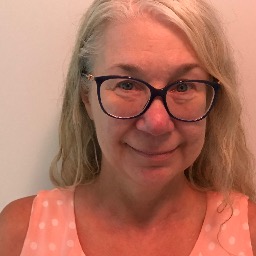
Cheryl Ubelhor Kotyuk is a Licensed Clinical Social Worker (LCSW) in Indiana with 40 years of experience in social services. She lists anxiety, relationships, grief, life transitions, crisis, and family concerns among the issues she addresses. Sessions are described in straightforward terms and focus on practical problem solving and conversation.
Cheryl uses a client-centered approach, which means conversations focus on the person's experience and priorities. She listens for patterns that come from the family people grew up in and helps people notice how those patterns show up now. She also works with sleep problems, anger, career stress, and compassion fatigue.
Her background includes a Bachelor of Arts from Purdue University and a Master of Social Work from Indiana University. She has worked in social services for four decades and holds the LCSW credential in Indiana. That history informs a practice grounded in long-term experience with common life stresses.
In sessions she talks through practical steps for coping with change. That can include communication skills, setting boundaries, and sorting out commitment or codependency concerns. She also addresses feelings like shame, guilt, emptiness, and isolation in clear, everyday language.
People who are curious about family of origin patterns or midlife shifts can expect direct conversation about those topics. Cheryl accepts clients from outside the United States and conducts work in English. Before booking, readers should confirm current session options and any details about scheduling or format.
Client-centered approaches and online sessions
Client-Centered Therapy centers on the person's own perspective. The therapist focuses on listening, reflecting what is said, and helping the person set the pace and goals for work. This approach is often used for relationship concerns, family of origin patterns, grief, and anxiety because it keeps attention on what matters most to the individual.Finding the right way to work is part of the process. The therapist will collaborate with each person to identify which methods and topics feel most useful. That means checking in about goals, adjusting focus as issues change, and choosing practical steps together rather than imposing a single plan.
Confirm the available session options before booking since specific formats are not listed in the biography. Online sessions can help fit therapy into a busy week by reducing travel and making it easier to join from different locations. They can allow shorter check-ins, weekday or evening meetings that match work hours, and options that work around family and job commitments. Licensed professionals and therapists often use these features to help therapy fit into everyday life.
Areas of expertise
Primary focus
Also works with
Additional focus areas
Therapeutic approaches
Experience
40+ years
Listed in
Indiana
Languages
English
Frequently asked questions
What kinds of concerns does she help with?
She works with stress, anxiety, relationship issues, grief, life transitions, and family-related patterns including family of origin issues.
How would you describe her therapeutic style?
Her style is client-centered, focusing on the person's experience and priorities during conversation and problem solving.
What is her experience and background?
She has 40 years in social services and a Master of Social Work from Indiana University, with long-term practice experience.
Where is she licensed and based?
She is a Licensed Clinical Social Worker (LCSW) in Indiana and practices from that state.
Which languages are offered for sessions?
Sessions are offered in English.
Can people outside the United States work with her?
International clients are accepted; confirm any regional or scheduling details before booking.
How are sessions scheduled and paid for?
Cost varies with location and sessions use a subscription that can be canceled at any time.
What should I do to begin working together?
Select the See online therapy options button, complete the short matching questionnaire, and schedule a first session.
Online talk therapy is not emergency care. If you are in danger, use the emergency numbers. Looking for someone else? Find them by surname.