- ACT methods
- CBT strategies
- Family patterns
About Susan
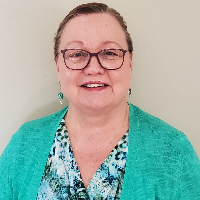
Dr. Susan Murati is an LMHC and LCMHC practicing in New Hampshire with 19 years of experience. She works with adults facing depression, anxiety, ADHD, relationship and career challenges, and other life stressors. Her practice includes support for grief, addictions, anger, and intimacy-related issues, and she notes work with family concerns including family of origin issues.
Her background is in cultural psychology and counseling. She uses cognitive behavioral approaches alongside Acceptance and Commitment Therapy and narrative methods. Sessions focus on clear steps people can try between meetings, and on talking through how family patterns show up now. She describes an interactive style that centers respect and sensitivity.
In sessions she helps people name recurring roles and expectations from childhood that affect current choices. She also addresses communication problems, guilt and shame, isolation, and workplace stress. Practical skills for managing panic, attention differences, and mood swings are offered when relevant.
Dr. Murati works with people on forgiveness, life purpose, midlife transitions, and multicultural concerns. Motivational interviewing and elements of Dialectical Behavior Therapy are used to support change and emotion regulation. Her approach combines structured strategies and client-centered conversation.
Clients begin by reviewing goals and trying specific strategies tailored to their circumstances. The emphasis is on understanding how past family dynamics influence present behavior and on developing concrete tools for daily life.
How her approaches translate to online work
Acceptance and Commitment Therapy (ACT) helps people clarify what matters to them and take small actions consistent with those values. It is often used for anxiety, stress, and when family expectations feel limiting. Cognitive Behavioral Therapy (CBT) focuses on identifying thoughts and behaviors that keep problems going and practicing different responses. CBT is commonly applied for panic, depression, and workplace stress.Finding the right approach is part of the work. The therapist will review a person's goals and preferences and suggest which methods to try first. Decisions about which techniques to use are made together, and approaches can be adjusted as progress is reviewed.
If you plan to work online, confirm the current session options before booking. That ensures you know which formats are supported for appointments. Online sessions can make it easier to fit therapy into a busy schedule, allow shorter check-ins when needed, and reduce travel time so meetings can occur around work or family responsibilities.
Areas of expertise
Primary focus
Also works with
Additional focus areas
Therapeutic approaches
Experience
19+ years
Listed in
Massachusetts, New Hampshire
Languages
English
Frequently asked questions
What concerns does she address related to family background?
She works with people who notice patterns from their family of origin affecting current relationships, communication, and expectations.
What is her therapeutic style?
Sessions are interactive and client-centered, blending cognitive behavioral techniques with narrative work and ACT to focus on values and actions.
How much experience does she have?
She has 19 years of counseling experience and a background in cultural psychology, with a long history of working on mood, anxiety, and family concerns.
What are her credentials and location?
She is listed as LMHC and LCMHC with an MA LMHC, and she practices in New Hampshire.
In what language are sessions offered?
Sessions are offered in English.
Can people outside the US work with her?
International clients are not currently accepted; services are provided in New Hampshire for those within the applicable licensing region.
How are sessions scheduled and what is the cost?
Cost varies with location and sessions use a subscription that can be canceled at any time.
How do I begin working with her?
Start by selecting the See online therapy options button, complete a short matching questionnaire, and schedule a first session.
Online talk therapy is not emergency care. If you are in danger, use the emergency numbers. Looking for someone else? Find them by surname.