- Acceptance and Commitment Therapy
- Cognitive Behavioral Therapy
- Mindfulness practices
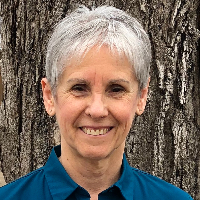
About Ruth
Ruth Stoan is a Licensed Professional Counselor (LPC) in Missouri with 35 years of clinical experience. She works with adults facing stress, anxiety, grief, self-esteem and relationship concerns, and she lists family of origin issues among her focus areas. Ruth also supports people navigating life changes, caregiving and aging questions, and challenges related to addiction or ADHD.
Ruth draws on a range of therapy styles and practical tools. She uses Acceptance and Commitment Therapy, Cognitive Behavioral Therapy, Emotionally-Focused and Client-Centered approaches, and elements of existential work. She also incorporates mindfulness, breath work, imagery and other practices described in her background to help clients build skills for everyday life.
In sessions she aims to identify both immediate problems and deeper patterns rooted in family history or long-standing habits. That can include looking at early family roles, communication patterns, and expectations that still affect relationships now. She helps people notice unhelpful thoughts and try new ways of relating and making choices.
Ruth often prefers video sessions so people can connect face to face, and she also offers phone and text contact when that is more comfortable. She has worked in private practice, community agencies for addiction, and settings supporting families with aging parents and end-of-life concerns.
To begin she asks people to complete a short matching questionnaire and schedule an initial session. Payment uses a subscription model that can be canceled at any time.
How therapy approaches translate to online work
Acceptance and Commitment Therapy (ACT) helps people notice unhelpful thoughts, clarify personal values, and take committed steps toward those values. It can be useful for anxiety, stress, and problems rooted in repeated family patterns. Cognitive Behavioral Therapy (CBT) focuses on identifying thinking and behavior patterns that keep problems going and practicing different responses. CBT is often used for depression, anxiety and coping with life transitions. Emotionally-Focused Therapy (EFT) concentrates on identifying and changing interaction patterns in close relationships and can help when communication and intimacy are strained.Choosing an approach is part of the process. The therapist works collaboratively to match methods to the client’s needs, goals and preferences. Sessions can include practical exercises, skills practice, and reflection to see what helps over time.
Ruth often conducts video sessions to allow face-to-face connection, and she also communicates by phone or text when people prefer those options. Confirm the exact session formats and scheduling details before booking. Online work can make it easier to fit appointments into a busy day, allow a shorter phone check-in when needed, or avoid travel time while keeping regular contact with a licensed professional.
Areas of expertise
Also works with
Additional focus areas
Therapeutic approaches
Experience
35+ years
Listed in
Missouri
Languages
English
Frequently asked questions
What kinds of concerns does she work with?
She works with stress, anxiety, grief, depression, relationship concerns and family of origin issues, among other areas listed in her profile.
How would you describe her therapeutic style?
She blends Client-Centered care with ACT, CBT and Emotionally-Focused tools while using mindfulness and breath work to build practical coping skills.
How much clinical experience does she have?
She has 35 years of experience working in private practice and community settings supporting people with addictions, caregiving, aging, and relationship issues.
What are her credentials and where is she based?
She is a Licensed Professional Counselor (LPC) licensed in Missouri.
In which language are sessions offered?
Sessions are offered in English and she accepts international clients.
What session formats does she use?
She primarily uses video sessions, and she also offers phone and text contact when preferred; confirm current session options before booking.
How are fees handled?
Sessions use a subscription model and the subscription can be canceled at any time; fees vary with location.
How do I start working with her?
Begin by selecting the See online therapy options button, completing a short matching questionnaire, and then scheduling a first session.
Online talk therapy is not emergency care. If you are in danger, use the emergency numbers. Looking for someone else? Find them by surname.