- CBT
- Client-Centered
- Narrative Therapy
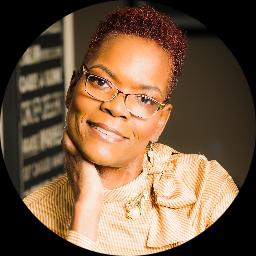
About Patricia
Patricia "Trish" West is a Licensed Clinical Social Worker (LCSW) in North Carolina with 19 years of experience. She helps people who are managing stress, anxiety, low self-esteem, depression, and the effects of past trauma or abuse. She also supports those coping with life changes and relationship concerns.
Trish uses plain, conversational talk in sessions. She listens to how family patterns and early relationships still affect daily life. She encourages people to notice repeating roles, expectations, and communication patterns that cause strain.
Her work draws on several practical approaches. Cognitive Behavioral Therapy helps people identify and change unhelpful thoughts and behaviors. Client-Centered Therapy focuses on the person's own priorities and pace. Narrative Therapy looks at the stories people tell about themselves and their families and asks which parts can be revised.
Sessions emphasize concrete steps and small experiments to test new ways of relating and coping. Trish helps people practice communication skills and set boundaries that fit their values. She also supports problem-solving around work, parenting, caregiving, and other everyday responsibilities.
People who bring concerns about family of origin issues will find attention to patterns passed down through households. The focus is on understanding those patterns and finding practical changes that reduce conflict and stress.
How Trish uses her approaches for online sessions
Trish commonly draws on Cognitive Behavioral Therapy and Client-Centered Therapy in her work. CBT involves noticing thoughts and actions, testing whether they help, and trying small changes to see different results; it is often used for anxiety, depression, and stress. Client-Centered Therapy emphasizes the person's own goals and pace, with the therapist following what matters most to the client and offering reflective feedback. Finding the right approach is part of the early work together. She will talk with the person about goals and preferences and will collaborate on which methods to try. That lets the therapist and client adjust plans if something does not fit. Confirm the specific session formats available before booking, as those details are not listed here. Online sessions can make it easier to fit therapy into a day, allow shorter check-ins when schedules are tight, and reduce travel time so appointments are simpler to keep. These practical benefits help people try therapeutic ideas during the week and apply new skills to real-life family and work situations.Areas of expertise
Also works with
Additional focus areas
Therapeutic approaches
Experience
19+ years
Listed in
North Carolina
Languages
English
Frequently asked questions
What kinds of problems does she address?
She works with stress, anxiety, depression, self-esteem, and related concerns such as relationship strain, grief, and family of origin issues.
What is her general approach in sessions?
She uses conversational, practical methods including client-centered listening and techniques that help people try new coping skills between sessions.
How much clinical experience does she have?
She holds 19 years of professional experience working with adults on a range of emotional and relational concerns.
What credential and region does she practice in?
She is an LCSW licensed in North Carolina.
Which languages are used in sessions?
Sessions are offered in English.
Does she take international clients?
International clients are not currently accepted.
How are sessions priced?
Cost varies by location and sessions use a subscription model that can be canceled at any time.
How do I get started with scheduling?
Begin by selecting the See online therapy options button, complete the short matching questionnaire, and schedule a first session.
Online talk therapy is not emergency care. If you are in danger, use the emergency numbers. Looking for someone else? Find them by surname.