- Stress and anxiety
- Relationship issues
- Goal focused tools
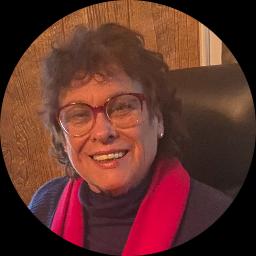
About Melody
Melody Flannery is a Licensed Clinical Mental Health Counselor (LCMHC) in North Carolina with 24 years of experience. She focuses on stress, anxiety, relationship concerns, grief, self-esteem, and coping with life changes. Melody uses clear, measurable goals and practical tools to reduce distress and restore emotional balance.
She favors short, concrete steps that build on each other. Sessions often emphasize skills that can be practiced between meetings so progress shows up quickly. Melody’s style aims to reduce the time and cost often tied to longer, open-ended treatment plans.
Her background includes extensive work with attachment and abandonment issues, aging and geriatric concerns, chronic illness and pain, caregiver stress, and body image. She also addresses communication problems, control issues, codependency, and related concerns that affect daily functioning.
Therapy includes methods drawn from client-centered therapy, cognitive behavioral therapy (CBT), dialectical behavior therapy (DBT), mindfulness therapy, and motivational interviewing. These approaches are used to teach coping skills, change unhelpful thinking patterns, and develop practical strategies for handling difficult moments.
Sessions are structured around measurable goals and action steps. Melody welcomes people who want straightforward tools and an efficient path to feeling more in control. To begin, follow the platform steps to complete the matching questionnaire and schedule a first session.
Approaches used in online sessions
Client-centered work places the person’s goals and concerns at the center of each session. The therapist listens closely, reflects what she hears, and helps people identify what matters most to them and what they want to change. Cognitive Behavioral Therapy, or CBT, looks at the link between thoughts, feelings, and actions and teaches practical exercises for shifting unhelpful thinking and behavior. Dialectical Behavior Therapy, or DBT, offers concrete skills for managing intense emotions, tolerating distress, and improving day-to-day functioning.Choosing the best approach is part of the work together. Melody will discuss options, try techniques, and adjust plans based on the client’s needs, goals, and preferences. The process is collaborative and focused on finding what helps most in everyday life.
Session logistics should be confirmed before booking since formats are not listed here. Online sessions can make it easier to fit therapy into a busy schedule, allow shorter check-in meetings when needed, and reduce travel time. Check the platform’s session options when you sign up to see which formats are offered and to arrange times that work with your routine.
Areas of expertise
Primary focus
Additional focus areas
Therapeutic approaches
Experience
24+ years
Listed in
North Carolina
Languages
English
Frequently asked questions
What concerns does she help with?
She focuses on stress, anxiety, relationships, grief, self-esteem, and coping with life changes. Additional areas include attachment issues, caregiver stress, chronic illness, and body image.
What is her therapeutic style?
Her work emphasizes short, measurable goals and practical tools. Sessions aim to teach skills that can be used between meetings.
How much experience does she have?
She has 24 years of counseling experience working with a range of concerns related to relationships, stress, and life transitions.
What are her credentials and location?
She is an LCMHC licensed in North Carolina. Her practice is based in North Carolina.
Which languages are supported?
Sessions are offered in English.
Can international clients work with her?
She does not accept international clients at this time.
How does pricing work?
Cost varies by location and sessions use a subscription model that can be canceled at any time. Confirm specific pricing during signup.
How do I begin a first session?
Select the See online therapy options button, complete a short matching questionnaire, and schedule an initial session through the platform.
Online talk therapy is not emergency care. If you are in danger, use the emergency numbers. Looking for someone else? Find them by surname.