- Attachment-based work
- Cognitive behavioral tools
- Solution-focused steps
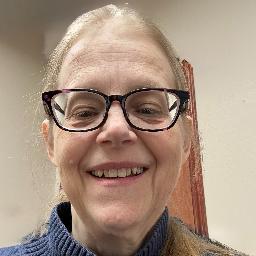
About Lynn
Lynn MacDonald is a Licensed Professional Counselor (LPC) in Michigan with 13 years of clinical experience. She works with adults who are managing stress, anxiety, depression, relationship and family concerns, trauma and abuse, and other life changes. Lynn also supports people facing parenting strain, grief, ADHD, and issues related to identity and LGBT concerns.
She focuses on how early family patterns influence current choices and relationships. In sessions she helps people name repeated roles and behaviors that come from family of origin experiences. Conversations are straightforward and practical, aimed at noticing patterns and finding different ways to respond.
Lynn uses a blend of approaches including attachment-based work, client-centered listening, cognitive behavioral techniques, and solution-focused strategies. That mix lets her address feelings, thought patterns, and everyday steps clients can try between sessions. Trauma-focused ideas are available when past events keep affecting present life.
She brings a resource-oriented outlook and often helps people develop concrete coping tools for stress, anger, and relationship strain. Sessions can include talking through recent conflicts, practicing new communication skills, and breaking down overwhelming problems into small steps. Lynn also provides information and resources clients can use outside of sessions.
Lynn works in Michigan and offers therapy in English. People who want to start are invited to follow the booking steps on the platform to complete a short matching questionnaire and schedule a first session.
Online work with attachment and CBT approaches
Many sessions draw on attachment-based ideas to look at how early family relationships influence current patterns. This approach helps identify connection styles and the ways those styles show up in adult relationships.Cognitive behavioral therapy (CBT) tools are used to spot unhelpful thoughts and try small behavioral changes. Solution-focused methods support short-term goal setting and practical steps to reduce stress or manage mood.
Choosing the right mix of approaches is collaborative. The therapist will discuss goals, preferences, and what feels most useful, and then adjust techniques as work unfolds. Clients and therapist decide together which tools to try first.
Session formats are not specified in the biography, so confirm current session options before booking. Online work can make it easier to fit sessions into a busy schedule, allow for shorter check-ins when needed, and reduce travel time. It can also let people use different therapy techniques in the context of their everyday routines, while planning concrete practice between meetings.
Areas of expertise
Primary focus
Also works with
Additional focus areas
Therapeutic approaches
Experience
13+ years
Listed in
Michigan
Languages
English
Frequently asked questions
What concerns does she help with?
She works with stress, anxiety, depression, trauma and abuse, relationship and family conflicts, parenting strain, grief, ADHD, and related issues.
What is her therapeutic style?
She combines attachment-based, client-centered, cognitive behavioral, solution-focused, and trauma-informed ideas to address thoughts, feelings, and practical steps.
How much experience does she have?
She has 13 years of professional work as a therapist and has built experience helping people with family and relationship concerns.
What are her credentials and where is she located?
She is a Licensed Professional Counselor (LPC) practicing in Michigan.
Which languages are supported?
Sessions are offered in English.
Does she work with international clients?
International clients are not currently accepted.
How are sessions paid for?
Cost varies with location; sessions use a subscription that can be canceled at any time.
How do I begin a first session?
Select the See online therapy options button, complete a short matching questionnaire, and schedule a first session.
Online talk therapy is not emergency care. If you are in danger, use the emergency numbers. Looking for someone else? Find them by surname.