- Client-centered work
- CBT and DBT
- EMDR for trauma
About Dion
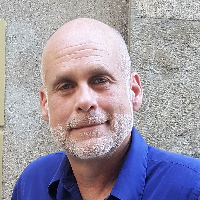
Dion Smith is a Licensed Professional Counselor (LPC) in Texas with ten years of experience. He works with adults facing stress, anxiety, addictions, depression, relationship and family concerns, sleep problems, grief, and issues related to identity and intimacy. He also lists ADHD, bipolar concerns, and caregiving strain among the areas he addresses.
He brings prior experience in school psychology and later moved into professional counseling. That history informs his work with people who have experienced trauma and with those managing substance use. He has also provided services to service members through a Department of Defense program, focusing on military life challenges and transition to civilian living.
Dion uses a mix of approaches in sessions. He combines client-centered conversation with practical cognitive behavioral strategies. He may include dialectical behavior techniques and mindfulness exercises when helpful.
For trauma-focused work he integrates Eye Movement Desensitization and Reprocessing, alongside experiential exercises and informed referral when other resources are needed. Assessment and referral are part of his practice when more specialized services are indicated.
Sessions are presented as individualized rather than one-size-fits-all. He works with each person to set goals and choose interventions that fit those goals. The practice notes that session arrangements and subscription-based payment vary by location and can be canceled at any time.
To begin, the typical first step is to use the online matching process, complete a short questionnaire, and schedule an initial session. Sessions are offered in English and Dion does not accept international clients at this time.
Approaches used in online sessions
Client-centered therapy focuses on listening and responding to each person's concerns. It aims to clarify what matters to the client and to guide conversations toward their goals.Cognitive Behavioral Therapy (CBT) uses practical strategies to change thought and behavior patterns that contribute to anxiety, depression, sleep problems, and relationship difficulties. It often includes homework and skill practice between sessions.
Eye Movement Desensitization and Reprocessing (EMDR) is used for trauma-related symptoms and involves structured processing to reduce the distress linked to troubling memories.
Choosing an approach is part of the work together. The therapist will discuss goals, preferences, and what feels most useful. Decisions about techniques are collaborative and can change as progress is made.
Confirm the available session formats before booking, as the profile does not list specific formats. Online sessions can make it easier to fit therapy into a busy day, shorten commute time, and allow for quicker check-ins when needed. When you’re ready, follow the matching steps to schedule a first session and discuss how sessions will be arranged.
Areas of expertise
Primary focus
Also works with
Additional focus areas
Therapeutic approaches
Experience
10+ years
Listed in
Texas
Languages
English
Frequently asked questions
What kinds of concerns does he address?
He works with stress, anxiety, addictions, depression, grief, relationship and family issues, sleep problems, and related areas such as ADHD and bipolar concerns.
How would you describe his therapeutic style?
He uses client-centered conversation combined with practical techniques. Sessions may include cognitive-behavioral work, dialectical behavior methods, mindfulness, and experiential exercises.
What is his clinical background?
He began working in 1994 in school psychology and later trained and practiced as a Licensed Professional Counselor. He has experience with trauma and substance use services.
Where is he licensed and based?
He is an LPC (Licensed Professional Counselor) in Texas and practices from that state.
Which languages are supported?
Sessions are offered in English only.
Does he work with clients outside the U.S.?
He does not accept international clients at this time.
How are sessions paid for?
Cost varies with location and sessions use a subscription that can be canceled at any time.
How do I get started?
Select the See online therapy options button, complete a short matching questionnaire, and schedule a first session.
Online talk therapy is not emergency care. If you are in danger, use the emergency numbers. Looking for someone else? Find them by surname.