- Family of origin issues
- Cognitive Behavioral Therapy
- Mindfulness practice
About Cynthia
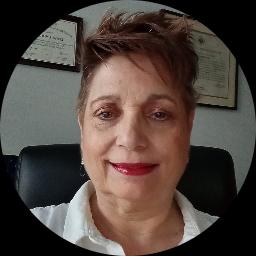
Cynthia Marcolina is a Licensed Professional Counselor (LPC) in Pennsylvania with 35 years of experience. She works with adults facing stress, anxiety, depression, relationship and family concerns, and issues tied to identity such as LGBT matters and gender dysphoria. She also supports people dealing with addiction, grief, self-esteem struggles, and mood-related concerns including bipolar disorder.
She takes a straightforward, collaborative approach in sessions. Cynthia draws on client-centered methods so the person's experience guides the work. She also uses cognitive-behavioral techniques to help people notice and change unhelpful thinking and behavior patterns.
Existential ideas shape conversations about meaning, responsibility, and life choices. Mindfulness exercises are used to anchor attention and reduce overwhelming feelings. Motivational interviewing helps when someone feels stuck and wants to find internal reasons to change.
In practice she suggests short written exercises and recommends reading when helpful. She often invites creative activities, like drawing, to help people access different ways of coping. Sessions aim to improve self-talk, build self-esteem, and develop practical tools for lowering anxiety and soothing intense emotions.
Cynthia emphasizes present-focused, manageable steps and working on what can be controlled. Her background includes work across many mental health settings and a range of counseling formats, and she speaks English for clinical work.
Therapeutic approaches and remote sessions
Client-Centered Therapy focuses on listening and following the person's concerns. It helps people feel understood and guides the work by their own priorities. Cognitive Behavioral Therapy (CBT) looks at thoughts and behaviors and offers specific skills to reduce anxiety, improve mood, and change unhelpful patterns. Existential Therapy addresses questions about meaning, responsibility, and life direction and can help people facing life changes or empty feelings.Finding the right approach is part of the work. Cynthia will discuss these methods with each person and decide together which ones fit best based on goals and day-to-day needs. The plan can adapt as progress is made and priorities shift.
Session formats are not specified in the biography, so confirm current options before booking. Online sessions can make it easier to fit therapy into a busy schedule, reduce travel time, and allow for shorter check-ins when needed. Discussing preferred formats and practical constraints is part of the first scheduling step and helps match sessions to everyday life.
Areas of expertise
Primary focus
Also works with
Additional focus areas
Therapeutic approaches
Experience
35+ years
Listed in
Pennsylvania
Languages
English
Frequently asked questions
What kinds of concerns does she help with?
She works with stress, anxiety, depression, relationship and family concerns, identity issues like LGBT and gender dysphoria, addictions, grief, self-esteem, mood disorders, and related problems.
How would you describe her therapeutic style?
Her style is collaborative and person-focused. She blends client-centered work with cognitive-behavioral, existential, mindfulness, and motivational interviewing techniques.
What experience does she bring?
She has 35 years of experience working across a wide range of mental health settings and with varied presenting concerns and diagnoses.
What are her credentials and location?
She is a Licensed Professional Counselor (LPC) practicing in Pennsylvania.
Which languages are supported?
Sessions are offered in English.
Can international clients work with her?
She is not accepting international clients at this time.
How are sessions paid for and what do they cost?
Cost varies with location; sessions use a subscription model that can be canceled at any time.
How do I begin working with her?
Select the See online therapy options button, complete a short matching questionnaire, and schedule a first session to get started.
Online talk therapy is not emergency care. If you are in danger, use the emergency numbers. Looking for someone else? Find them by surname.