- CBT methods
- DBT skills
- Mindfulness practice
About Claire
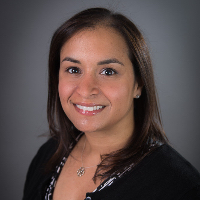
Claire McDonough is a Licensed Clinical Social Worker (LCSW) in New Jersey with 21 years of clinical experience. She works with adults facing stress, anxiety, depression, relationship struggles, parenting concerns, addictions, grief, and other life changes. Claire also lists family of origin issues, attachment concerns, and ADHD among her focus areas.
She trained in social work at the master’s level and has worked across a range of mental health settings. That background means she is used to seeing common problems in different stages of life. Sessions tend to be straightforward and focused on practical steps clients can try between meetings.
Claire uses several evidence-based methods, including Cognitive Behavioral Therapy (CBT), Dialectical Behavior Therapy (DBT), Emotionally-Focused Therapy (EFT), mindfulness approaches, and motivational interviewing. In practice she listens first, then suggests strategies and skills to help with mood, coping, and relationships. She balances support with direct feedback and goal-oriented work.
People who come to her for family of origin issues usually want to understand patterns learned in childhood and how those patterns affect adult relationships and parenting. She helps people name those patterns and practice different responses in everyday life.
If someone wants to start, Claire asks them to complete a short matching questionnaire and schedule a first session. She explains fees vary with location and that sessions use a subscription model that can be canceled at any time.
How her approaches translate to online sessions
Claire commonly draws on Cognitive Behavioral Therapy and Dialectical Behavior Therapy in her work. CBT looks at the links between thoughts, feelings, and actions and teaches practical skills to change unhelpful patterns. It can help with anxiety, depression, and managing stressful situations. DBT focuses on teaching emotion regulation, distress tolerance, and interpersonal effectiveness skills, useful for intense emotions and relationship patterns.She also integrates Emotionally-Focused Therapy ideas when relationship or attachment themes come up in sessions. EFT helps people notice and name emotional experiences and practice new ways of responding in relationships. Deciding which approach to use is collaborative; she will work with each person to match methods to their goals and preferences rather than prescribing one path up front.
The practical benefits of meeting with a licensed professional online are that sessions can fit into busy days more easily and make regular check-ins simpler to keep. If you want to work together, confirm the current session formats before booking, since specific options are not listed here. Online meetings can be useful for shorter check-ins, practicing skills between appointments, or avoiding travel time, and she will help plan how sessions fit into everyday life.
Areas of expertise
Primary focus
Also works with
Additional focus areas
Therapeutic approaches
Experience
21+ years
Listed in
New Jersey
Languages
English
Frequently asked questions
What concerns does she address?
She works with stress, anxiety, depression, relationship and parenting concerns, addictions, grief, and related issues. Family of origin issues and attachment concerns are explicitly listed as focus areas.
What is her therapeutic style?
Her approach is practical and goal-oriented. She listens, offers direct feedback, and helps people practice skills between sessions.
How much experience does she have?
She has 21 years of clinical experience working in a variety of mental health settings.
What are her credentials and location?
She is a Licensed Clinical Social Worker (LCSW) licensed in New Jersey and practices from that state.
Which languages are supported?
Sessions are offered in English.
Does she work with international clients?
She does not accept international clients at this time.
How are sessions paid for?
Fees vary with location and sessions use a subscription that can be canceled at any time.
How do I begin working with her?
Start by selecting the See online therapy options button, complete a short matching questionnaire, and then schedule a first session.
Online talk therapy is not emergency care. If you are in danger, use the emergency numbers. Looking for someone else? Find them by surname.