- CBT strategies
- Mindfulness practice
- Motivational interviewing
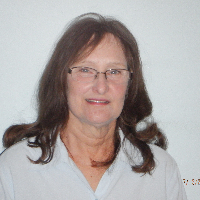
About Susan
Susan Csank is an Ohio Licensed Independent Social Worker (LISW) with 23 years of experience working in mental health and addiction care. She works with adults facing stress, anxiety, depression, relationship strain, addiction, grief, parenting challenges, and family of origin issues. She also addresses anger, self-esteem, ADHD, and mood-related concerns. Susan speaks Estonian in addition to English.
Susan uses practical, direct methods in session. She leans on client-centered work to listen and reflect what matters most to each person. She also draws on cognitive behavioral strategies to identify unhelpful thoughts and test new ways of responding. Mindfulness and motivational interviewing are part of her mix when helping clients build coping skills and change patterns.
Sessions focus on clear goals and real-life skills. Susan offers education on coping tools and helps people practice communication and boundary-setting. When addiction or codependency shows up, she addresses both behavior and the relationships around it. She has experience offering individual and group work in settings that include addiction treatment and community mental health.
People meet Susan to talk through current problems and to understand how early family patterns affect present life. She helps parents manage stress and caregivers work through burnout. She also supports those dealing with grief, guilt or shame so they can move forward with practical steps.
Susan describes therapy as collaborative and action-oriented. She helps people clarify goals, try new skills between sessions, and adjust the plan as progress is made. To begin, clients complete a short matching questionnaire and schedule a first appointment.
How her approaches translate to online work
Susan often uses client-centered methods that focus on the person’s priorities and what feels most relevant right now. This means sessions begin with listening and move toward goals the client wants to set. Cognitive Behavioral Therapy (CBT) is used to spot thought and behavior patterns and to try small experiments between sessions. That helps with anxiety, depression, and problem habits. Dialectical Behavior Therapy (DBT) informed skills offer clear practices for emotional regulation and distress tolerance, useful for strong mood swings or intense stress.Finding the right approach is part of the work. Susan treats the choice of method as collaborative and will discuss which strategies fit a person’s goals and daily life. She helps clients try techniques and adjust the plan based on what helps most.
The original biography lists messaging, phone, and video as service formats previously used. If you need confirmation about current session options, check before booking. Online work can make it easier to fit sessions into a busy week, allow shorter check-ins when time is limited, and let people join from quieter surroundings without travel. Therapists generally help adapt exercises and homework so they work in everyday routines.
Areas of expertise
Primary focus
Also works with
Additional focus areas
Therapeutic approaches
Experience
23+ years
Listed in
Ohio
Languages
Estonian
Frequently asked questions
Which concerns does she address?
Susan works with stress, anxiety, depression, addictions, relationship and family of origin issues, grief, parenting strain, ADHD, and several mood and coping concerns.
What is her therapeutic style?
She uses a client-centered approach combined with cognitive behavioral techniques, mindfulness, DBT-informed skills, and motivational interviewing to support change and skill building.
How much experience does she have?
She has 23 years of experience in mental health and addiction treatment, including individual and group work.
What are her credentials and location?
She is an Ohio LISW and practices in Ohio.
Which languages are supported?
Sessions are offered in English and Estonian.
Does she work with international clients?
She does not accept international clients at this time.
How are fees handled?
Cost varies by location; sessions use a subscription that can be canceled at any time.
How do I get started?
Select the See online therapy options button, complete the short matching questionnaire, and schedule your first session.
Online talk therapy is not emergency care. If you are in danger, use the emergency numbers. Looking for someone else? Find them by surname.