- CBT methods
- DBT skills
- psychodynamic work
About Sarah
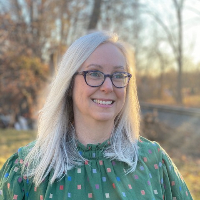
Sarah DuVall Murray is a Licensed Clinical Social Worker (LCSW) in New Jersey with 12 years of clinical experience. She works with adults facing stress, anxiety, depression, grief, relationship strain, parenting concerns, mood disorders, and family of origin issues. She also helps people managing chronic illness, caregiving stress, and challenges like anger or low self-esteem.
Sarah listens closely and works collaboratively with each person. She explains ideas and shares reading or resources when useful. Sessions focus on practical skills and understanding patterns that keep problems repeating.
Her approach blends Cognitive Behavioral Therapy (CBT), Dialectical Behavior Therapy (DBT), and psychodynamic ideas. That mix lets her address thoughts and behaviors while also looking at long-standing family influences and emotional patterns. She may teach coping skills, emotion regulation strategies, and ways to notice family roles that still affect current life.
Sarah’s background includes outpatient and inpatient care, psychiatric emergency services, and community mental health work with seriously mentally ill adults. She holds a master’s degree in Clinical Social Work from Virginia Commonwealth University and a BA from the University of the South.
In sessions she emphasizes tolerance of difficult feelings rather than eliminating all distress. The work is straightforward: identify patterns, practice new responses, and use resources to support change. Adults who want to understand how their family history shapes current choices often find this focus helpful.
How therapeutic approaches are used in online sessions
Sarah commonly draws on Cognitive Behavioral Therapy and Dialectical Behavior Therapy in session. CBT focuses on identifying unhelpful thoughts and testing them with small behavioral changes, which helps with anxiety, depression, and stress. DBT emphasizes learning concrete skills for emotion regulation, distress tolerance, and clearer communication, useful when emotions feel intense.She also incorporates psychodynamic ideas to help people connect current problems with earlier family patterns. That perspective looks at recurring roles and expectations learned in childhood and how they affect present-day relationships. Deciding which approaches to use is a collaborative process; the therapist and client review goals, try strategies, and adjust the plan based on what helps.
If you are considering online work, confirm the session formats offered before booking. The practical benefits often include fitting sessions into a busy schedule, shorter check-ins when needed, and options that reduce travel or time away from responsibilities. The therapist will discuss which approach and session rhythm fit a person's needs and daily life during the initial matching and first meetings.
Areas of expertise
Primary focus
Also works with
Additional focus areas
Therapeutic approaches
Experience
12+ years
Listed in
New Jersey
Languages
English
Frequently asked questions
What concerns does she address?
She works with adults on stress, anxiety, depression, grief, relationship strain, parenting concerns, mood disorders, and family of origin issues.
How would you describe her therapy style?
She works collaboratively and explains ideas plainly. Sessions combine skill teaching with reflection on patterns from the past.
How much clinical experience does she have?
She has 12 years of experience in outpatient and inpatient settings and has worked in psychiatric emergency services and community mental health.
What are her credentials and where is she located?
She is a Licensed Clinical Social Worker (LCSW) licensed in New Jersey and practices from that state.
Which languages are supported?
Sessions are offered in English.
Does she work with international clients?
International clients are not currently accepted.
How does payment and cost work?
Cost varies with location and sessions use a subscription that can be canceled at any time.
What are the steps to begin?
Select the See online therapy options button, complete a short matching questionnaire, and schedule a first session.
Online talk therapy is not emergency care. If you are in danger, use the emergency numbers. Looking for someone else? Find them by surname.