- Grief and bereavement
- Caregiver strain
- Self esteem
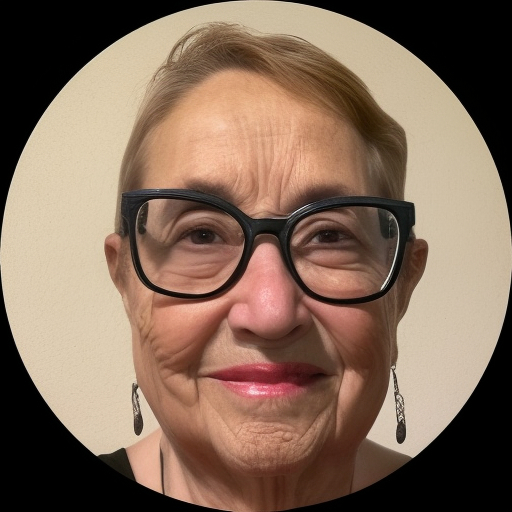
About Sandra
Sandra Sunter is a Florida LMHC with 37 years of professional experience helping people manage grief, loss, caregiver strain, serious illness, motivation, self-esteem, depression, and life changes. She presents herself as a steady clinical presence and focuses on practical problems that interrupt daily life.
Sandra works with people who are dealing with long-term stress and emotional fatigue from caregiving or illness. She also supports those facing endings and bereavement, and those trying to rebuild confidence after setbacks. Conversations prioritize what is happening now and what the person wants to change next.
Her approach is conversational and goal-focused. Sessions tend to center on identifying unhelpful patterns, testing simple strategies between appointments, and noticing small shifts that add up. She uses client-centered methods alongside cognitive tools and mindfulness practices to help people try different ways of responding to hard feelings.
Sandra brings years of experience to practical concerns like managing depression, reducing anxiety, and coping with family of origin issues or relationship strain. She also addresses related topics such as eating concerns, addiction, anger, and guilt or shame when those come up.
People who prefer clear, direct conversation about next steps often find her style fits well. The work is collaborative: she listens to what matters most and suggests concrete steps to practice between sessions. That approach aims to make day-to-day life feel more manageable while clients work toward longer term goals.
Therapeutic approaches used in remote sessions
Acceptance and Commitment Therapy (ACT) encourages people to notice thoughts and feelings without getting stuck in them, then choose actions aligned with personal values. It can help with depression, anxiety, and coping when change feels overwhelming. Cognitive Behavioral Therapy (CBT) focuses on identifying unhelpful thinking and testing small behavioral experiments to reduce symptoms and improve daily functioning. Client-Centered Therapy emphasizes listening and responding to what the person says, offering a steady presence while clients clarify goals and next steps.Finding the right mix of methods is part of the work. The therapist will talk with each person about their needs, goals, and preferences and help choose which approaches to try. That collaboration shapes how sessions unfold and what practical steps are suggested between meetings.
Session formats are not specified in the biography, so confirm current online options before booking. Online work can make it easier to fit appointments into busy lives, allow shorter check-ins when schedules are tight, and reduce travel time. Licensed professionals can adapt ACT, CBT, and client-centered techniques to remote sessions so people can practice new skills in everyday settings.
Areas of expertise
Also works with
Additional focus areas
Therapeutic approaches
Experience
37+ years
Listed in
Florida
Languages
English
Frequently asked questions
What concerns does she help with?
She helps people with grief, caregiver stress, depression, anxiety, self-esteem, relationship and family concerns, and related issues such as addiction, eating concerns, anger, and guilt.
What is her therapeutic style?
She uses a conversational, client-centered style with goal-focused techniques. Sessions often include practical strategies to try between meetings.
How much experience does she have?
She has 37 years of professional experience working with people facing loss, caregiving challenges, life changes, and mood concerns.
What are her credentials and where is she located?
She is a Florida LMHC and practices in Florida.
Which languages are supported?
Sessions are offered in English.
Are international clients accepted?
International clients are not currently accepted.
How are sessions paid for?
Cost varies with location; sessions use a subscription that can be canceled at any time.
How do I begin working with her?
Select the See online therapy options button, complete a short matching questionnaire, and schedule a first session.
Online talk therapy is not emergency care. If you are in danger, use the emergency numbers. Looking for someone else? Find them by surname.