- CBT
- ACT
- Client-centered
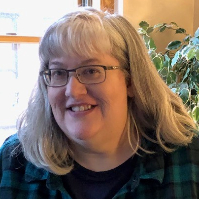
About Melissa
Melissa Mee is a Licensed Clinical Professional Counselor (LCPC) in Idaho with 19 years of experience. She works with adults facing depression, anxiety, bipolar disorder, relationship strain, grief, and trauma and abuse. Melissa also addresses stress, self-esteem, anger, career concerns, and family of origin issues.
She uses practical, straightforward methods in sessions. Melissa commonly draws on Cognitive Behavioral Therapy (CBT) and Acceptance and Commitment Therapy (ACT). She also uses client-centered principles to keep the work focused on each person's concerns and goals.
Sessions usually involve talking through current problems, noticing unhelpful patterns, and trying new ways of responding. Melissa helps people learn skills for managing mood, stress, and difficult thoughts. She also assists with decision points like separation or career change.
Her approach is down-to-earth and goal-oriented. She pays attention to how early family roles and expectations continue to shape relationships and behavior today. Work may include understanding those patterns and practicing different ways of relating.
Melissa earned a bachelor’s degree from Cedarville University and a master’s degree from Liberty University. She holds Idaho licensure as an LCPC. She provides services in English and does not take international clients. Practical steps for starting therapy are available through the site's matching and scheduling process.
How Melissa applies approaches in online sessions
Acceptance and Commitment Therapy (ACT) helps people notice unhelpful thoughts and choose actions that fit their values. It is often used for anxiety, low mood, and problems that come from getting stuck in old thinking. Cognitive Behavioral Therapy (CBT) focuses on identifying unhelpful thought patterns and testing them with practical experiments. CBT is commonly used for depression, anxiety, and mood management. Client-Centered Therapy emphasizes listening and collaboration, giving the person space to set the pace and focus of sessions.Finding the right blend of methods is part of the work. Melissa discusses goals and preferences with each person and adjusts techniques to match what feels useful. That collaborative process helps decide whether more ACT, CBT, or client-centered work fits a client's needs.
The practical benefits of online therapy include fitting sessions into a busy schedule and reducing travel time. Online sessions can make it easier to keep regular appointments around work or caregiving duties, or to have a shorter check-in when needed. Confirm the current session formats before booking since the biography does not list specific delivery options. The therapist will review how sessions will run when arranging the first visit so people can choose what works best for their situation.
Areas of expertise
Primary focus
Also works with
Additional focus areas
Therapeutic approaches
Experience
19+ years
Listed in
Idaho
Languages
English
Frequently asked questions
What kinds of problems does she help address?
She works with depression, anxiety, bipolar disorder, trauma and abuse, grief, relationship strain, self-esteem, stress, and related concerns.
What is her therapeutic style?
She uses a practical, down-to-earth style that focuses on current problems, patterns from family of origin, and concrete skills.
How much clinical experience does she have?
She has 19 years of experience working with adults on mood, trauma, relationship, and life change concerns.
What are her credentials and where is she based?
She is an LCPC (Licensed Clinical Professional Counselor) licensed in Idaho.
Which languages are supported and are international clients accepted?
Sessions are offered in English and international clients are not currently accepted.
What session formats are offered?
Confirm the current session options before booking, as the biography does not list specific formats.
How does payment work?
Cost varies with location and sessions use a subscription that can be canceled at any time.
How do I begin working with her?
Use the See online therapy options button, complete the short matching questionnaire, and schedule a first session.
Online talk therapy is not emergency care. If you are in danger, use the emergency numbers. Looking for someone else? Find them by surname.