- Attachment-based methods
- Client-centered work
- CBT and DBT tools
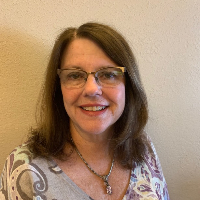
About Katherine
Dr. Katherine Walker is a California psychologist with 32 years of experience. She practiced for more than three decades inside a large health care organization, working both as a clinician and as a manager. Her work has included support for stress, anxiety, addictions, mood disorders, relationship concerns, parenting strain, and family of origin issues.
She sees therapy as practical collaboration. She believes people have strengths and that progress comes from the client’s efforts together with clinical guidance. Sessions are conversational and focused on problems people bring in day to day life, such as job stress, grief, or recurring patterns that trace back to the family someone grew up in.
Her approach blends several well known methods. She draws on attachment-based ideas to look at relationship patterns, client-centered listening to follow what matters to the person, and cognitive behavioral techniques to change thoughts and behavior. She also uses elements of dialectical behavior therapy and psychodynamic thinking when they fit the concern.
Because much of her career was spent in a large health care setting, she has experience with serious mood disorders including bipolar disorder and with co-occurring medical or psychiatric conditions. She has worked with people facing life transitions such as aging, midlife change, cancer, and caregiving stresses.
Dr. Walker works in California and offers services in English. Her credential is CA Psychologist 15553. To begin, prospective clients complete a short matching questionnaire and schedule an initial session through the site.
Approaches used in online sessions
Dr. Walker commonly combines attachment-based work, client-centered listening, and cognitive behavioral techniques when working remotely. Attachment-based work looks at how early relationship patterns shape current connections and helps people identify recurring roles or expectations. Client-centered listening prioritizes what the person brings to the session and uses that material to guide the work in a respectful, non-directive way. Cognitive behavioral techniques focus on identifying unhelpful thoughts and testing new behaviors to reduce symptoms of anxiety, depression, and stress.Finding the right approach is treated as a collaborative process. She will discuss options with each person and adapt methods based on the client’s goals, comfort, and what seems to work in early sessions. That shared decision-making helps clarify whether brief skills work, deeper exploration, or a mix is best.
Session-format details are not specified in the biography, so confirm current session options before booking. Online work can make it easier to fit therapy into a busy schedule, allow shorter check-ins when needed, and remove travel time. Licensed professionals often find that remote sessions let people keep continuity of care during life changes, while still allowing practical, goal-oriented sessions.
Areas of expertise
Primary focus
Also works with
Additional focus areas
Therapeutic approaches
Experience
32+ years
Listed in
California
Languages
English
Frequently asked questions
What kinds of problems does she help with?
She supports people facing stress, anxiety, addictions, mood disorders like depression and bipolar, relationship and family of origin issues, grief, and parenting strain.
How would you describe her therapeutic style?
She uses conversational, goal-focused sessions that emphasize the client’s efforts with clinical guidance. The work is practical and looks at patterns that affect daily life.
How much experience does she have?
She has 32 years of professional experience, including long-term clinical and managerial roles in a large health care organization.
What are her credentials and location?
She is a California psychologist, listed as CA Psychologist 15553, and practices in California.
Which languages are supported in sessions?
Sessions are offered in English.
Does she see clients outside the United States?
She is not accepting international clients at this time.
How are sessions priced?
Cost varies with location; sessions use a subscription model that can be canceled at any time.
What should I do to get started?
Select the See online therapy options button, complete a short matching questionnaire, and schedule a first session.
Online talk therapy is not emergency care. If you are in danger, use the emergency numbers. Looking for someone else? Find them by surname.