- DBT focus
- Hypnotherapy skills
- Trauma experience
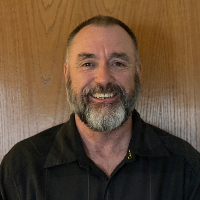
About Brett
Brett Smith is a Licensed Marriage and Family Therapist (LMFT) in California with 22 years of clinical experience. He works with adults on stress, anxiety, depression, relationship concerns, addictions, and family of origin issues. He also supports people dealing with trauma and abuse, self-esteem, grief, intimacy concerns, and ADHD. He speaks English and accepts international clients.
Brett’s background includes service as a combat veteran and work in law enforcement. Those experiences shaped his interest in how trauma affects behavior. He has spent much of his career helping people with trauma symptoms and personality-related difficulties, and he has conducted emergency psychiatric assessments in hospital settings.
His style is direct and practical. He often uses dialectical behavior therapy to help people manage intense emotions and change unhelpful habits. He also uses cognitive behavioral approaches and mindfulness when those fit the situation. He has post-graduate training in hypnotherapy and describes himself as a Certified Clinical Hypnotherapist using Ericksonian and transformational concepts.
In sessions Brett focuses on clear steps people can take to reduce distress and improve daily functioning. He will shift methods if a case needs a different approach. Sessions often look at patterns that started in childhood and how those patterns show up now in relationships, work, and self-image.
Outside of practice he and his wife sail, backpack, and train dogs. He also shares informational videos on a public YouTube channel for people who want to learn more about the topics he covers in sessions.
How Brett blends methods for remote sessions
Brett commonly uses dialectical behavior therapy and cognitive behavioral therapy in his work. DBT focuses on emotion regulation, distress tolerance, and interpersonal skills to help when feelings feel overwhelming. CBT looks at the links between thoughts, feelings, and actions and helps people test and change unhelpful thinking patterns.He also brings hypnotherapy techniques drawing on Ericksonian and transformational ideas to support behavioral change and reduce symptoms when appropriate. Those methods can be useful for issues like anxiety, sleep problems, body image, and habit change. Choosing which approaches to use is part of the work together; he will discuss options and adjust the plan based on needs, goals, and preferences.
The biography does not specify session formats, so confirm the current online options before booking. Many people find online sessions make it easier to fit therapy into work and family schedules, reduce travel time, and allow shorter check-ins when needed. Brett aims to match the approach and session rhythm to each person’s practical circumstances rather than insisting on one single method.
Areas of expertise
Primary focus
Also works with
Additional focus areas
Therapeutic approaches
Experience
22+ years
Listed in
California
Languages
English
Frequently asked questions
What concerns does he address?
He works with stress, anxiety, depression, addictions, relationship and intimacy issues, and family of origin issues among other concerns listed in his profile.
What is his therapeutic style?
He uses a direct, practical approach that focuses on concrete steps and changing unhelpful patterns in daily life.
How much clinical experience does he have?
He has 22 years of experience, including work in emergency psychiatric assessment and long-term work with trauma and personality presentations.
What credentials and location are listed?
He is an LMFT licensed in California and practices from that state.
Which languages and international work are noted?
Sessions are offered in English and he accepts international clients.
What session formats are available?
The original biography does not list specific session formats; please confirm current session options before booking.
How is cost handled?
Cost varies with location; sessions use a subscription that can be canceled at any time.
How do I get started?
Select the See online therapy options button, complete the short matching questionnaire, and schedule a first session.
Online talk therapy is not emergency care. If you are in danger, use the emergency numbers. Looking for someone else? Find them by surname.