- Stress and anxiety
- Addictions and grief
- Attachment and codependency
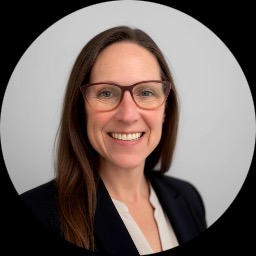
About Sarah
Sarah Freeman is an LPCC (Licensed Professional Clinical Counselor) practicing in Kentucky with 19 years of experience. She works with adults who are dealing with stress, anxiety, addictions, grief, trauma and major life changes. Sarah also focuses on family of origin issues and related concerns such as attachment, codependency, and communication problems.
She listens for how early family patterns show up now. Sessions look at roles people took on in their families and how those roles affect current relationships and choices. Sarah helps clients name those patterns and try different responses in everyday life.
Her background includes long clinical experience with people facing grief, addiction, and life transitions. She has worked with older adults and others navigating big life changes. That experience informs practical steps she offers in sessions.
In practice she uses evidence-based therapeutic techniques to address symptoms and habits that maintain distress. Work is focused and concrete, with attention to skills for managing anxiety, cravings, and overwhelming emotions. Conversations also cover communication and commitment concerns that trace back to family dynamics.
Sessions move at a steady pace and prioritize what the client needs next. People who come for help leave with clearer ways to respond to long-standing patterns and with practical coping strategies they can apply between meetings.
How therapeutic approaches guide online sessions
Sarah uses evidence-based therapeutic techniques to address symptoms and everyday patterns. One common approach focuses on skills for managing anxiety and stress through practical exercises and behavioral changes. This helps people reduce distressing symptoms and regain a sense of daily routine.Another strand of work looks at how attachment and family of origin patterns affect relationships now. This approach helps identify repeating roles and offers new ways to practice communication and boundaries in current relationships.
Finding the right approach is a collaborative process. The therapist and client review needs, goals, and preferences together and adjust methods as work progresses. This shared planning helps pinpoint which techniques are most useful for specific problems like grief, addiction, or commitment concerns.
Confirm the available session formats before booking since the original biography does not list them. Online sessions can make it easier to fit therapy into a busy week, allow shorter check-ins when time is tight, and reduce the need to travel to an office. These practical benefits help people keep therapy consistent while they test new ways of relating and coping.
Areas of expertise
Additional focus areas
Experience
19+ years
Listed in
Kentucky
Languages
English
Frequently asked questions
What concerns does she address related to family patterns?
She works with adults on family of origin issues, attachment concerns, communication problems, and related topics like codependency and commitment issues.
What is her therapeutic style?
Sessions focus on practical, evidence-based techniques and clear steps you can use between meetings. Conversations also explore how childhood roles influence current behavior.
How much experience does she have?
She has 19 years of clinical experience working with stress, anxiety, addiction, grief, trauma, and life transitions.
What credential and location should I expect?
She is an LPCC, licensed in Kentucky, and her practice is based in that state.
Which languages are sessions offered in?
Sessions are offered in English only.
Are international clients accepted?
International clients are not currently accepted.
How are sessions billed and what does it cost?
Cost varies with location and sessions use a subscription that can be canceled at any time.
How do I begin working with her?
Start by selecting the See online therapy options button, completing a short matching questionnaire, and scheduling a first session.
Online talk therapy is not emergency care. If you are in danger, use the emergency numbers. Looking for someone else? Find them by surname.