- CBT methods
- Client-centered work
- Narrative approaches
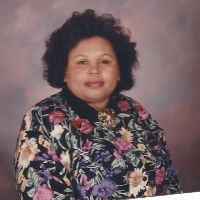
About Lynor
Dr. Lynor Jackson is a Licensed Clinical Social Worker (LCSW) in California with about 30 years of experience. She has worked across health care, education, and juvenile justice settings. She supports people dealing with depression, anxiety, grief, loss, and crisis intervention.
She has collaborated with probation and school staff to help people change behaviors and manage practical challenges. That background informs how she structures sessions and sets realistic goals. She draws on client-centered work to focus on the person rather than a checklist.
Her approach uses cognitive behavioral techniques to identify unhelpful thoughts and try new behaviors. She also uses narrative ways of talking about problems so people can see patterns and alternatives. Trauma-focused methods are applied when early painful experiences affect current functioning.
In a session she listens, reflects, and suggests experiments you can try between meetings. Conversations aim to be interactive and practical. She helps people build skills for managing stress, improving sleep, handling anger, or coping with major life changes.
Dr. Jackson also supports people with issues around family and relationships, including family of origin concerns, blended family questions, adoption and foster care matters, and fatherhood topics. She works with people facing caregiver strain, compassion fatigue, or loneliness, helping them name problems and choose small steps forward.
People who want clear strategies and someone who links therapy to everyday tasks will find this approach straightforward. She asks about what is happening now and what has shaped it, then helps set practical next steps.
How her approaches translate to online work
Dr. Jackson uses Client-Centered Therapy to prioritize what the person brings to sessions and to follow their lead on pressing issues. That approach helps people describe family patterns and current struggles in their own words.She also uses Cognitive Behavioral Therapy (CBT) to break problems into thoughts, feelings, and actions, and to try small behavioral experiments between sessions. Trauma-Focused Therapy is used when past painful events continue to shape reactions, with attention to safety and pacing.
Finding the right approach is collaborative. She will discuss options with the client and recommend combining methods based on goals and preferences. The choice of techniques is adjusted over time as progress and challenges become clearer.
Confirm the session formats available before booking, as formats are not listed in the biography. Online work can make it easier to fit sessions into a busy week, shorten check-ins when needed, or avoid travel time. Talk with her about how to structure appointments so they fit work, caregiving, or other daily demands.
Areas of expertise
Primary focus
Also works with
Additional focus areas
Therapeutic approaches
Experience
30+ years
Listed in
California
Languages
English
Frequently asked questions
What concerns does she address?
She works with stress, anxiety, depression, grief, addictions, and relationship and intimacy-related issues, among other concerns listed in her profile.
How would she approach childhood or family patterns?
She uses narrative and trauma-focused approaches to look at how family of origin patterns influence current behavior and feelings.
What is her therapeutic style?
Sessions are interactive and client-centered, with cognitive behavioral techniques to test new thoughts and actions.
How much experience does she have?
She has approximately 30 years of experience working in health care, educational, and juvenile justice settings.
What credentials and region apply?
She is a Licensed Clinical Social Worker (LCSW) credentialed in California and practices there.
In which language are sessions offered?
Sessions are offered in English and international clients are not currently accepted.
How are sessions scheduled and what does it cost?
Cost varies with location; sessions use a subscription that can be canceled at any time.
How do I begin working with her?
Select the See online therapy options button, complete a short matching questionnaire, and schedule a first session.
Online talk therapy is not emergency care. If you are in danger, use the emergency numbers. Looking for someone else? Find them by surname.