- Client-Centered Therapy
- CBT techniques
- Communication skills
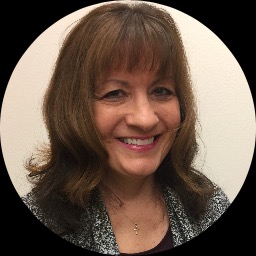
About Danae
Danae Ganos is an LCSW with 24 years of clinical experience based in Illinois. She works with stress, anxiety, depression, grief, trauma and abuse, and people coping with life changes. Danae also focuses on issues such as codependency, communication problems, divorce and separation, family of origin issues, guilt and shame, isolation and self-love, with attention to women's issues.
She uses a straightforward, person-focused style in sessions. Conversations center on the client's concerns and daily life. Danae listens for patterns coming from the family people grew up in and helps name how they affect current relationships and choices.
Her practice draws on Client-Centered Therapy and Cognitive Behavioral Therapy (CBT). That means she pays attention to emotional experience and the therapeutic relationship, while also working on practical strategies to change unhelpful thoughts and behaviors. Sessions often combine talking about feelings with concrete skill-building.
Danae describes her work as respectful of personal beliefs and life context. She supports people who want clearer communication, firmer boundaries, or relief from intense shame or isolation. Parents noticing recurring family patterns may find useful ways to respond rather than repeat those patterns.
She frames therapy as a step-by-step process. Initial meetings focus on immediate concerns and what the person hopes to change. From there she and the client plan short-term goals and monitor progress with specific skills and reflections.
How Danae uses Client-Centered work and CBT online
Client-Centered Therapy emphasizes listening and the relationship. The therapist focuses on understanding the client's experience and reflecting it back. This approach is useful for people who need a steady, respectful listener to sort through emotions.Cognitive Behavioral Therapy (CBT) targets thoughts and behaviors. CBT breaks problems into smaller parts and introduces practical skills such as thought records and behavioral experiments. It can help with anxiety, depression, and patterns that come from family roles.
Deciding which approach to use is a collaborative step. Danae will talk with the client about goals and preferences, and then choose or combine methods that fit those aims. She checks in regularly to see what is helping and adjusts the approach as needed.
Confirm the current session options before booking, as formats are not specified in the biography. Online work can make it easier to fit sessions into a busy week, allow shorter check-ins when needed, and reduce travel time. Therapists and licensed professionals can use online meetings to continue practical skill-building and reflective conversation in ways that align with a person's daily life.
Areas of expertise
Additional focus areas
Therapeutic approaches
Experience
24+ years
Listed in
Illinois
Languages
English
Frequently asked questions
What concerns does she address related to family history?
She helps people recognize and work through family of origin issues, including patterns that affect communication and boundaries.
How would you describe her therapeutic style?
Her style is client-centered with practical work using CBT methods to change thoughts and behaviors alongside exploring feelings.
How much experience does she bring?
Danae has 24 years of clinical experience working with anxiety, depression, grief, trauma and life transitions.
What credential and location are listed for this therapist?
She is an LCSW licensed in Illinois and practices with that credential.
Which languages are sessions offered in?
Sessions are offered in English.
Can people outside the US work with her?
International clients are not currently accepted.
How are sessions paid for?
Cost varies by location; sessions use a subscription that can be canceled at any time.
What are the steps to begin working together?
Select the See online therapy options button, complete a short matching questionnaire, and schedule a first session.
Online talk therapy is not emergency care. If you are in danger, use the emergency numbers. Looking for someone else? Find them by surname.